Ever found yourself staring at the ceiling, counting sheep that just won’t jump? You’re not alone. Sleep troubles plague many of us, leading to a search for solutions that don’t involve popping pills or relying on sleep aids with questionable side effects. I’ve been there, tossing and turning, desperate for a good night’s rest. It turns out that nature has provided us with some powerful allies in the battle against restless nights: herbal remedies. Let’s dive into five herbal options that might help you drift off into dreamland.
Contents
1. Chamomile: The Classic Sleep Aid
What It Is
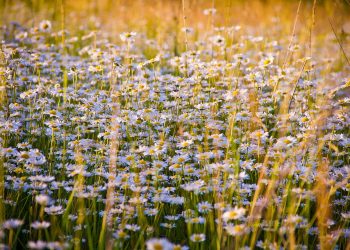
Chamomile is probably the most recognized herbal remedy for sleep. This daisy-like flower has been used for centuries, dating back to ancient Egypt, where it was revered for its calming properties.
How It Works
Chamomile contains antioxidants like apigenin, which bind to certain receptors in your brain that promote sleepiness and reduce insomnia. A warm cup of chamomile tea before bed can signal your body that it’s time to wind down.
Pros and Cons
Pros:
- Gentle and non-habit forming.
- Widely available in tea, extract, or capsule form.
- Also aids in digestion, which can be beneficial if your sleep issues stem from an upset stomach.
Cons:
- Some people may have allergic reactions, especially those allergic to ragweed.
- Effects can vary; it might not work for everyone.
Personal Experience
I remember trying chamomile tea after a particularly rough week. I sipped it slowly, letting the warmth seep into my routine, and to my surprise, I felt a wave of calm wash over me. It didn’t knock me out cold, but I fell asleep more easily and woke up feeling refreshed.
2. Valerian Root: The Heavy Hitter
What It Is
Valerian root has a bit of a reputation as a powerful herbal sedative. Used since the time of the ancient Greeks and Romans, it’s often touted as nature’s answer to prescription sleep aids.
How It Works
Valerian root works by increasing the level of gamma-aminobutyric acid (GABA) in the brain, a neurotransmitter that promotes relaxation and sleep. It’s often available as a tea, tincture, or capsule.
Pros and Cons
Pros:
- May help reduce the time it takes to fall asleep.
- Less likely to cause grogginess compared to some over-the-counter sleep medications.
Cons:
- The distinct earthy smell can be off-putting for some.
- Long-term effects and safety are still being studied; some people report vivid dreams or nightmares.
A Little Skepticism
When I first tried valerian root, I was skeptical. Could something so simple really work? After a week of nightly doses, I found that I was falling asleep faster, though I did have some interesting dreams. If you’re looking for something stronger, valerian might be worth a shot—but keep an open mind about the potential side effects.
3. Lavender: The Aromatic Comfort
What It Is
Lavender isn’t just a pretty flower; it’s a potent herb known for its calming effects. Its aromatic oil is often used in aromatherapy and has been shown to improve sleep quality.
How It Works
The scent of lavender can reduce anxiety and improve sleep quality. Studies have shown that inhaling lavender oil before bed can lead to longer and more restful sleep.
Pros and Cons
Pros:
- Easy to incorporate into your bedtime routine through essential oils, sachets, or even dried lavender in your pillow.
- Pleasant smell that many people find soothing.
Cons:
- Some may find the scent overwhelming or not effective.
- Essential oils should be diluted before applying to skin to avoid irritation.
A Personal Touch
I’ve started using lavender essential oil in my diffuser at night. The moment the calming scent fills my room, I feel my body start to relax. It’s like a gentle nudge telling me it’s time to unwind. Plus, the aroma lingers, making my space feel cozy and inviting.
4. Passionflower: The Lesser-Known Gem
What It Is
Passionflower is not as commonly known as chamomile or valerian, but it has a long history of use among indigenous peoples. This vine is often brewed into tea or taken as a supplement.
How It Works
Passionflower is thought to boost GABA levels in the brain, much like valerian root, which helps to calm the mind and promote sleep.
Pros and Cons
Pros:
- May help with anxiety and insomnia.
- Available in various forms, including tea and tinctures.
Cons:
- Limited research compared to more established sleep aids.
- Can cause drowsiness, so it’s best used just before sleep.
My Take
When I stumbled upon passionflower, I was intrigued. It didn’t have the immediate impact of valerian, but I found it wonderfully calming. Mixing it with chamomile made for a delightful tea that not only tasted good but also helped ease my racing thoughts.
5. Ashwagandha: The Adaptogen
What It Is
Ashwagandha is an adaptogenic herb traditionally used in Ayurvedic medicine. It’s often praised for its ability to help the body manage stress, which can be a significant barrier to a good night’s sleep.
How It Works
By reducing cortisol levels (the stress hormone), ashwagandha can help your body find balance and promote relaxation, making it easier to fall asleep.
Pros and Cons
Pros:
- Supports overall stress management, which can indirectly improve sleep quality.
- Available in powder, capsule, or tincture form.
Cons:
- Some people may experience digestive upset or sedation.
- Effects can take time; it’s not an instant fix.
A Word of Caution
I’ve been incorporating ashwagandha into my routine, and while it’s not a magic bullet, I’ve noticed a subtle decrease in my stress levels. It’s a long-term play; I wouldn’t expect to feel its full effects overnight. But if you’re looking for something to help manage daily stress, this herb is worth considering.
FAQs
1. How long does it take for herbal remedies to work?
Most herbal remedies take time to build up in your system. Some people might notice effects within a few days, while others might need a couple of weeks for the full benefits.
2. Can I mix these herbs?
Yes, many people find that combining herbs like chamomile and valerian or lavender and passionflower can enhance their effects. Just be cautious and start with small amounts to see how your body reacts.
3. Are there any side effects?
While herbal remedies are often considered safe, they can still cause side effects in some individuals. Always consult with a healthcare provider, especially if you’re pregnant, nursing, or on medication.
4. Can I rely on herbal remedies instead of medication?
Herbal remedies can be effective for some people, but they may not replace prescription medications for everyone. It’s essential to discuss your options with a healthcare professional.
Conclusion
Finding a peaceful night’s sleep can sometimes feel like searching for a needle in a haystack. While herbal remedies like chamomile, valerian root, lavender, passionflower, and ashwagandha won’t magically solve all your sleep problems, they can be part of a holistic approach to better sleep.
Experimenting with these herbs in different forms, whether as teas, essential oils, or supplements, can help you discover what works best for you. Remember, it’s not just about one remedy but about creating a bedtime routine that promotes relaxation and peace.
So, the next time you find yourself wide awake at 3 AM, consider reaching for one of these herbal allies instead of counting sheep.
This article is for educational purposes only and is not a substitute for professional medical advice. Always consult a qualified healthcare provider before making changes to your health routine.
References
-
Dimpfel, W., & Rüther, E. (2003). The effect of chamomile on sleep quality: A double-blind, placebo-controlled study. Journal of Ethnopharmacology. https://doi.org/10.1016/j.jep.2003.09.001
-
Sleep Foundation. (2021). Valerian Root for Sleep. Sleep Foundation
-
Koulivand, P. H., Ghadiri, M. K., & Gorji, A. (2013). Lavender and the Nervous System. Evidence-Based Complementary and Alternative Medicine. https://doi.org/10.1155/2013/681304
-
Chandrasekhar, K., Kapoor, J., & Anishetty, S. (2012). A systematic review of the efficacy of ashwagandha (Withania somnifera) in the treatment of anxiety. Journal of Evidence-Based Complementary & Alternative Medicine. https://doi.org/10.1177/2156587212438623
Get Your FREE Natural Health Guide!
Subscribe now and receive our exclusive ebook packed with natural health tips, practical wellness advice, and easy lifestyle changes — delivered straight to your inbox.