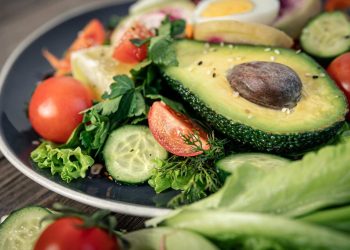
Did you know that avocados are often called “nature’s butter”? They’re creamy, delicious, and packed with nutrients that can do wonders for your body, especially your brain. As someone who loves a good guacamole, I’ve often wondered how this popular fruit can actually contribute to brain health. Let’s dive into five ways avocados can boost your brain circulation naturally.
Contents
1. Rich in Healthy Fats
Avocados are loaded with monounsaturated fats, which are beneficial for heart health. But these fats also play a crucial role in brain function.
How It Works
Monounsaturated fats help improve blood flow, which is essential for delivering oxygen and nutrients to the brain. This enhanced circulation can lead to better cognitive performance. A study published in the Journal of Nutrition found that diets high in monounsaturated fats are linked to better cognitive function in older adults (Gomez-Pinilla, 2008).
Pros and Cons
While the fats in avocados are healthy, moderation is key. They’re calorie-dense, so overindulging can lead to weight gain, which might negate some health benefits. A balanced diet is essential.
2. Packed with Antioxidants
Avocados are a treasure trove of antioxidants like lutein, beta carotene, and vitamin E. These compounds help protect brain cells from oxidative stress.
The Science Behind It
Oxidative stress can lead to neurodegenerative diseases, as it damages cells. Antioxidants neutralize free radicals, which are harmful byproducts of metabolism. Research shows that higher antioxidant intake is associated with improved brain health over time (Figueira et al., 2019).
Considerations
While avocados are a great source, they shouldn’t be your only source of antioxidants. Incorporating a variety of colorful fruits and vegetables into your diet can provide a broader range of these protective compounds.
3. High in Folate
Folate, or vitamin B9, is crucial for brain health. Avocados contain a significant amount of this nutrient, which helps in the production of neurotransmitters.
Why Folate Matters
Neurotransmitters are chemical messengers that transmit signals in the brain. Low levels of folate have been linked to cognitive decline and mood disorders. A study from the American Journal of Clinical Nutrition suggests that adequate folate intake may improve cognitive function in older adults (Geleijnse et al., 2002).
Potential Drawbacks
While avocados are a great source of folate, too much can sometimes lead to imbalances in other B vitamins. It’s important to maintain a well-rounded diet.
4. Hydration and Electrolyte Balance
The brain is about 75% water, and staying hydrated is key for optimal cognitive function. Avocados have a high water content, which helps with hydration.
The Connection to Brain Function
Dehydration can lead to cognitive impairments, including reduced attention and memory issues. Avocados can contribute to your daily water intake, and their potassium content helps maintain electrolyte balance, which is crucial for nerve function.
Caution
While avocados can help with hydration, they shouldn’t replace your water intake. Drinking adequate water is essential for overall health.
5. Supports Healthy Blood Pressure
High blood pressure can impair brain function and increase the risk of stroke. Avocados are known to support healthy blood pressure levels due to their potassium and magnesium content.
How This Benefits the Brain
Potassium helps regulate blood pressure, which in turn supports healthy blood flow to the brain. A study from the American Heart Association indicates that higher potassium intake is associated with lower blood pressure and a reduced risk of stroke (Whelton et al., 2018).
Things to Watch
While avocados can help manage blood pressure, they should be part of a comprehensive approach that includes a balanced diet and regular exercise.
FAQs
1. Are there any downsides to eating too many avocados?
Yes, while avocados are healthy, they are also calorie-dense. Eating too many can lead to weight gain. Moderation is key.
2. Can I get the same benefits from avocado oil?
Avocado oil does retain many of the beneficial compounds found in whole avocados, but you may miss out on fiber and some nutrients that are more abundant in the whole fruit.
3. How can I incorporate more avocados into my diet?
You can add avocados to smoothies, salads, sandwiches, or even enjoy them on toast. The options are endless!
4. Is it safe to eat avocados every day?
For most people, eating avocados daily can be part of a healthy diet. However, it’s always best to consult with a healthcare provider for personalized advice.
Conclusion
Avocados are more than just a trendy food; they’re a powerhouse of nutrients that can enhance brain circulation naturally. From healthy fats to antioxidants and folate, these delicious fruits provide a variety of benefits that can support cognitive function and overall brain health.
So next time you’re enjoying a slice of avocado toast or a bowl of guacamole, remember that you’re not just indulging in a tasty treat—you’re also giving your brain a little love. Just keep in mind the importance of moderation and a balanced diet.
Research is ongoing, and while results are promising, it’s essential to approach any health claims critically. So, are you ready to add more avocados to your plate?
Disclaimer: This article is for educational purposes only and is not a substitute for professional medical advice. Always consult a qualified healthcare provider before making changes to your health routine.
References
-
Gomez-Pinilla, F. (2008). The influence of dietary factors on neurotransmitters and cognitive functions. Journal of Nutrition, 138(3), 793S-797S. https://doi.org/10.1093/jn/138.3.793S
-
Figueira, I. et al. (2019). Antioxidant Status and Cognitive Function in Older Adults. Frontiers in Aging Neuroscience. https://doi.org/10.3389/fnagi.2019.00023
-
Geleijnse, J. M., et al. (2002). Folate and cognitive decline in older adults. American Journal of Clinical Nutrition, 75(3), 570-577. https://doi.org/10.1093/ajcn/75.3.570
-
Whelton, P. K., et al. (2018). Interventions for Improving Blood Pressure Control: A Scientific Statement from the American Heart Association. Circulation, 137(25), e467-e486. https://doi.org/10.1161/CIR.0000000000000590
Get Your FREE Natural Health Guide!
Subscribe now and receive our exclusive ebook packed with natural health tips, practical wellness advice, and easy lifestyle changes — delivered straight to your inbox.