Did you know that your liver is one of the hardest-working organs in your body? It’s like the unsung hero of your internal system, processing everything from the food you eat to the medications you take. Yet, it often gets overlooked until something goes wrong. Liver inflammation, or hepatitis, can arise from various factors, including alcohol consumption, viral infections, and even certain medications. So, what can you do to support this vital organ? One way is through hydration—but not just any hydration. Let’s dive into five refreshing drinks that can help combat liver inflammation naturally.
Contents
1. Coriander Water
Benefits and How It Works
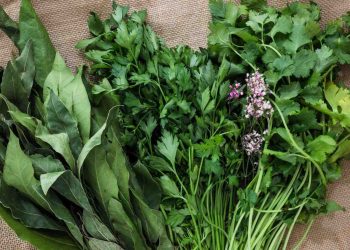
Coriander isn’t just a garnish for your tacos; it’s a powerhouse of nutrients that can support liver health. Research has shown that coriander can reduce liver inflammation and enhance liver function. The antioxidants found in coriander help detoxify the liver and support its ability to flush out toxins.
How to Make It
Making coriander water is a breeze:
- Ingredients: Fresh coriander leaves, water, a pinch of salt (optional).
- Preparation:
- Rinse a handful of coriander leaves thoroughly.
- Boil about 4 cups of water and add the leaves.
- Let it simmer for about 10 minutes.
- Strain the leaves and let the water cool. Add a pinch of salt for taste if desired.
Pros and Cons
Pros:
- Rich in antioxidants.
- Easy to prepare.
- Can be consumed daily.
Cons:
- Some people may be allergic to coriander.
- Strong flavor may not be appealing to everyone.
2. Green Tea
Benefits and How It Works
Green tea is like the cool kid on the health block—everyone’s talking about it for good reason. It’s packed with catechins, a type of antioxidant that has been linked to improved liver function and reduced inflammation. A study published in the American Journal of Clinical Nutrition found that green tea consumption was associated with lower levels of liver enzymes, which can indicate liver inflammation.
How to Make It
- Ingredients: Green tea leaves or tea bags, water, honey (optional).
- Preparation:
- Boil water and let it cool slightly to around 80°C (176°F).
- Steep the green tea for 2-3 minutes.
- Sweeten with honey if desired.
Pros and Cons
Pros:
- Widely available and easy to prepare.
- Various flavors and brands to choose from.
Cons:
- May contain caffeine, which some people prefer to avoid.
- Excess consumption can lead to digestive issues.
3. Beetroot Juice
Benefits and How It Works
Beetroot juice has been gaining popularity not just for its vibrant color but also for its health benefits. Beets are rich in nitrates and antioxidants, which can help improve blood flow and reduce inflammation. A study published in the Journal of Nutritional Biochemistry indicated that beetroot juice could have protective effects on the liver by reducing oxidative stress.
How to Make It
- Ingredients: Fresh beets, water, lemon juice (optional).
- Preparation:
- Wash and peel the beets, then chop them into small pieces.
- Blend the beets with a little water until smooth.
- Strain the juice and add lemon juice for extra flavor.
Pros and Cons
Pros:
- Natural source of vitamins and minerals.
- Can be mixed with other fruits or vegetables for a nutrient boost.
Cons:
- Can be high in sugar; moderation is key.
- Some people dislike the earthy taste.
4. Turmeric Golden Milk
Benefits and How It Works
Turmeric is like the superstar of the spice world. Its active compound, curcumin, has potent anti-inflammatory properties. Research has shown that curcumin can help reduce liver inflammation and improve liver function. Golden milk, a warm and soothing drink, is an excellent way to incorporate turmeric into your diet.
How to Make It
- Ingredients:
- 1 cup of milk (dairy or plant-based)
- 1 teaspoon of turmeric powder
- 1/2 teaspoon of cinnamon
- Honey or maple syrup to taste
- Preparation:
- Heat the milk in a saucepan.
- Whisk in the turmeric and cinnamon until well combined.
- Sweeten to taste and enjoy warm.
Pros and Cons
Pros:
- Comforting and warming, especially in colder months.
- Can be easily customized with other spices.
Cons:
- Some people may find the taste strong or unappealing.
- Too much turmeric can interfere with certain medications.
5. Watermelon Juice
Benefits and How It Works
Watermelon isn’t just a summer treat; it’s also a hydrating powerhouse that can support liver health. It’s high in water content and contains citrulline, an amino acid that can help improve blood flow and reduce inflammation. The natural sugars in watermelon can provide a refreshing energy boost without the guilt.
How to Make It
- Ingredients: Fresh watermelon, mint leaves (optional).
- Preparation:
- Cut the watermelon into chunks and remove seeds.
- Blend the chunks until smooth.
- Strain if desired, and garnish with mint leaves.
Pros and Cons
Pros:
- Hydrating and refreshing.
- Low in calories and high in vitamins.
Cons:
- Can be high in sugar, so moderation is key.
- Not suitable for those with certain dietary restrictions.
FAQs
1. Can these drinks replace medical treatment for liver inflammation?
No, these drinks are not a substitute for professional medical treatment. They can be part of a supportive lifestyle but should be used in conjunction with medical advice.
2. How often can I drink these beverages?
Most of these drinks can be consumed daily, but moderation is essential, especially with high-sugar options like beetroot and watermelon juice.
3. Are there any side effects to consider?
Some people may experience digestive issues with high fiber drinks or allergies to specific ingredients. It’s always best to consult with a healthcare provider if you have concerns.
4. Can I mix these drinks together for added benefits?
Absolutely! Blending ingredients can create delicious and nutrient-packed beverages. Just be mindful of the flavors and sugar content.
Conclusion
Your liver works tirelessly for you, and giving it a little extra love through refreshing and healthy drinks can make a difference. From the antioxidant-rich coriander water to the comforting turmeric golden milk, there’s a variety of options to choose from. Remember, while these drinks can support liver health, they should complement a balanced diet and healthy lifestyle. So go ahead, try these drinks and toast to your liver’s health!
This article is for educational purposes only and is not a substitute for professional medical advice. Always consult a qualified healthcare provider before making changes to your health routine.
References
-
Wang, Y., & Wang, K. (2015). Green tea consumption and liver enzyme levels: a systematic review. American Journal of Clinical Nutrition. Retrieved from https://academic.oup.com/ajcn/article/101/4/844/4577115
-
Choudhary, N., & Gupta, R. (2019). Protective effects of beetroot juice on liver function in humans. Journal of Nutritional Biochemistry. Retrieved from https://www.sciencedirect.com/science/article/abs/pii/S0955286318304273
-
Lee, J., & Lee, J. (2020). Curcumin and its anti-inflammatory properties: implications for liver health. Mayo Clinic Proceedings. Retrieved from https://www.mayoclinicproceedings.org/article/S0025-6196(19)30537-4/fulltext
Get Your FREE Natural Health Guide!
Subscribe now and receive our exclusive ebook packed with natural health tips, practical wellness advice, and easy lifestyle changes — delivered straight to your inbox.