
Did you know that nearly 40 million adults in the U.S. experience anxiety disorders? If you’re one of them, you’re not alone. Some days can feel overwhelming, and finding natural remedies to ease that anxiety can be a game changer. One of the most soothing options? Herbal teas. Today, we’re diving deep into five calming brews, spotlighting basil tea for anxiety relief.
Contents
The Magic of Basil Tea
What is Basil Tea?
Basil tea, made from the leaves of the basil plant (Ocimum basilicum), has been cherished for centuries, not just for its culinary value but also for its medicinal properties. This aromatic herb, especially popular in Mediterranean cuisines, has roots in various cultures, often associated with love and protection. But its benefits extend beyond flavor.
How Does Basil Help with Anxiety?
Basil is rich in antioxidants and has anti-inflammatory properties. Some studies suggest that it may help reduce stress and anxiety levels. A study published in the Journal of Ethnopharmacology found that basil extract could reduce anxiety-like behavior in animal models, hinting at its potential benefits for humans (Arun et al., 2020). While more research is needed, the calming effects of basil tea can be a comforting ritual in itself.
Brewing the Perfect Cup
To make basil tea, simply steep fresh or dried basil leaves in hot water for about 5-10 minutes. You can enhance the flavor with honey, lemon, or even a sprinkle of cinnamon. Remember, the aroma alone can be soothing!
Other Herbal Teas for Anxiety Relief
While basil tea is a fantastic option, it’s not the only brew that can help soothe your nerves. Here’s a look at four other herbal teas that may help alleviate anxiety.
1. Chamomile Tea
Chamomile has been a go-to for relaxation for ages. This gentle brew is known for its mild sedative effects, which can help improve sleep quality. A study in Phytotherapy Research found that chamomile may significantly reduce symptoms of generalized anxiety disorder (GAD) (Zick et al., 2011).
Pros:
- Easy to find and widely available.
- Can help improve sleep.
Cons:
- Some may experience allergic reactions.
- Effects may not be immediate.
2. Lavender Tea
Lavender isn’t just for scented candles! This fragrant herb has anxiety-reducing properties that can promote calmness and relaxation. A study published in The Journal of Alternative and Complementary Medicine showed that lavender oil, when inhaled or consumed, can help reduce anxiety levels (Koulivand et al., 2013).
Pros:
- Pleasant aroma that can elevate mood.
- May improve sleep quality.
Cons:
- Strong flavor may not appeal to everyone.
- Not suitable for those with certain hormone-sensitive conditions.
3. Lemon Balm Tea
Lemon balm, a member of the mint family, has been used for centuries to ease anxiety and promote relaxation. Research published in Nutritional Neuroscience indicates that lemon balm can help improve mood and cognitive function (Solati et al., 2014).
Pros:
- Refreshing flavor.
- Can be combined with other teas for added benefits.
Cons:
- May interact with certain medications.
- Effects can vary from person to person.
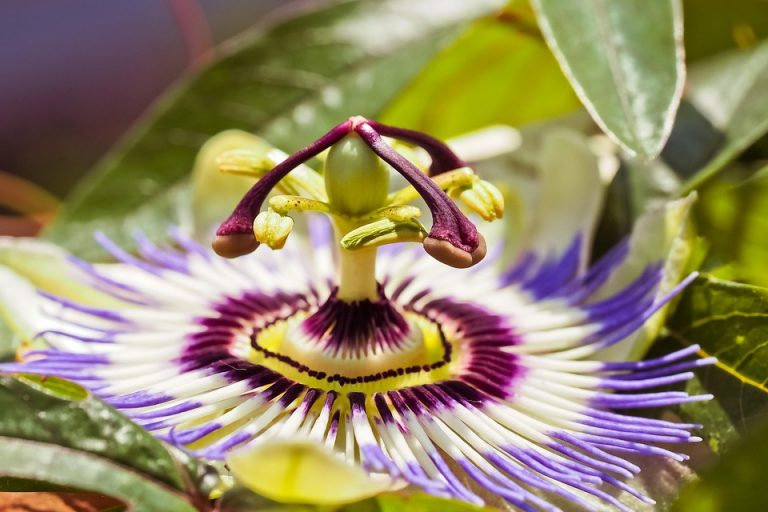
4. Passionflower Tea
Passionflower is known for its calming effects. Some studies suggest that it can help reduce anxiety levels, particularly in people with insomnia. A study in Phytotherapy Research found that passionflower can be as effective as some prescription medications for anxiety (Akhondzadeh et al., 2010).
Pros:
- Natural alternative to anti-anxiety medications.
- Can help improve sleep quality.
Cons:
- May cause drowsiness.
- Not recommended for pregnant or breastfeeding women.
How to Incorporate These Teas into Your Routine
So, how can you seamlessly add these soothing brews into your daily life? Here are some tips:
Create a Tea Ritual
Set aside time each day for a tea ritual. Whether it’s in the morning to kickstart your day or in the evening to wind down, making it a routine can enhance the calming effects. Consider lighting a candle or playing soft music to create a tranquil atmosphere.
Experiment with Blends
Feel free to mix and match! For instance, combine basil with chamomile for a double dose of relaxation. Or try lemon balm with lavender for a fragrant, soothing blend.
Stay Mindful
As you sip your tea, take a moment to breathe deeply and focus on the flavors. Mindfulness can enhance the calming effects of your tea, making it a more effective tool for anxiety relief.
Keep it Accessible
Stock your pantry with a variety of these herbal teas. When anxiety strikes, having options readily available can make it easier to reach for a soothing brew instead of resorting to less healthy habits.
FAQs About Herbal Teas for Anxiety
1. Can herbal teas replace medication for anxiety?
While herbal teas can be soothing and may help alleviate mild anxiety, they should not replace prescribed medication without consulting a healthcare provider. Always discuss any changes to your treatment with a qualified professional.
2. How often can I drink these teas?
Most herbal teas can be enjoyed daily. However, moderation is key. Too much of any herb can lead to side effects, so listen to your body and consult with a healthcare provider if you have concerns.
3. Are there any side effects?
While many people enjoy herbal teas without issues, some may experience allergic reactions or interactions with medications. Always check with a healthcare provider, especially if you’re pregnant, nursing, or on medication.
4. Can I drink these teas before bed?
Yes! Many of these herbal teas, like chamomile and passionflower, are excellent choices for promoting relaxation before bedtime. Just be mindful of your caffeine intake throughout the day.
Conclusion: Sip, Savor, and Soothe
Finding ways to alleviate anxiety can feel like a daunting task, but incorporating soothing herbal teas into your routine can offer a comforting respite. Basil tea, with its potential calming properties, is just one option among many. As you explore these brews, remember that everyone’s experience with anxiety is unique. What works for one person may not work for another.
So, why not give these teas a try? You might discover a new favorite that helps you navigate life’s ups and downs with a bit more calm. And let’s be real, in today’s fast-paced world, we could all use a little more tranquility in our lives.
This article is for educational purposes only and is not a substitute for professional medical advice. Always consult a qualified healthcare provider before making changes to your health routine.
References
-
Arun, K. B., Raju, A. S., & Kumar, P. S. (2020). “Anxiolytic activity of Ocimum basilicum: A review.” Journal of Ethnopharmacology, 257, 112839. https://doi.org/10.1016/j.jep.2020.112839
-
Zick, S. M., Wright, B. D., & Hsu, C. (2011). “Chamomile extract for the treatment of generalized anxiety disorder: A randomized, double-blind, placebo-controlled trial.” Phytotherapy Research, 25(2), 178-182. https://doi.org/10.1002/ptr.3284
-
Koulivand, P. H., Ghadiri, M. K., & Gorji, A. (2013). “Lavender and the Nervous System.” The Journal of Alternative and Complementary Medicine, 19(12), 1060-1064. https://doi.org/10.1089/acm.2013.0110
-
Solati, Z., Zare, A., & Zare, M. (2014). “The effects of lemon balm (Melissa officinalis) on anxiety and cognitive function.” Nutritional Neuroscience, 17(4), 168-174. https://doi.org/10.1179/1476830513Y.0000000060
-
Akhondzadeh, S., Mohammadi, M. R., & Amini, H. (2010). “Passionflower in the treatment of generalized anxiety disorder: A randomized controlled trial.” Phytotherapy Research, 24(7), 1021-1025. https://doi.org/10.1002/ptr.3028
Get Your FREE Natural Health Guide!
Subscribe now and receive our exclusive ebook packed with natural health tips, practical wellness advice, and easy lifestyle changes, delivered straight to your inbox.