5 Delicious Ways to Use Sunflower Seeds for Heart Health
Did you know that a tiny seed can pack a powerful punch for your heart health? Sunflower seeds, those little nuggets of nutrition, are often overlooked but deserve a spot in your diet. They’re not just for bird feeders or as a snack during a ball game; these seeds can play a significant role in maintaining a healthy heart. So, let’s dive into five delicious ways to incorporate sunflower seeds into your meals while reaping their heart-healthy benefits.
The Heart-Healthy Benefits of Sunflower Seeds
Before we jump into the culinary delights, let’s chat about why sunflower seeds are good for your heart. These seeds are rich in unsaturated fats, fiber, and essential nutrients like magnesium, vitamin E, and selenium. Studies suggest that these components might help lower blood pressure, reduce cholesterol levels, and improve overall heart health.
For instance, a study published in the American Journal of Clinical Nutrition found that increasing nut and seed intake can significantly lower the risk of cardiovascular disease (Buckland et al., 2015). That’s a pretty solid reason to start sprinkling these seeds on everything!
1. Sunflower Seed Butter: A Nutty Spread
If you’re a fan of nut butters, why not switch it up with sunflower seed butter? It’s creamy, delicious, and perfect for spreading on toast or mixing into smoothies.
How to Make It:
- Ingredients: 2 cups of unsalted roasted sunflower seeds, a pinch of salt, and a drizzle of honey or maple syrup (optional).
- Instructions:
- Place the sunflower seeds in a food processor.
- Process for about 5-10 minutes until it becomes smooth and creamy.
- Add salt and sweetener to taste, and blend again.
Pros: This butter is packed with healthy fats and protein, making it a great alternative for those with nut allergies.
Cons: It can be a bit pricier than traditional peanut butter, and some may find the flavor less familiar.
2. Sunflower Seed Salad Topping
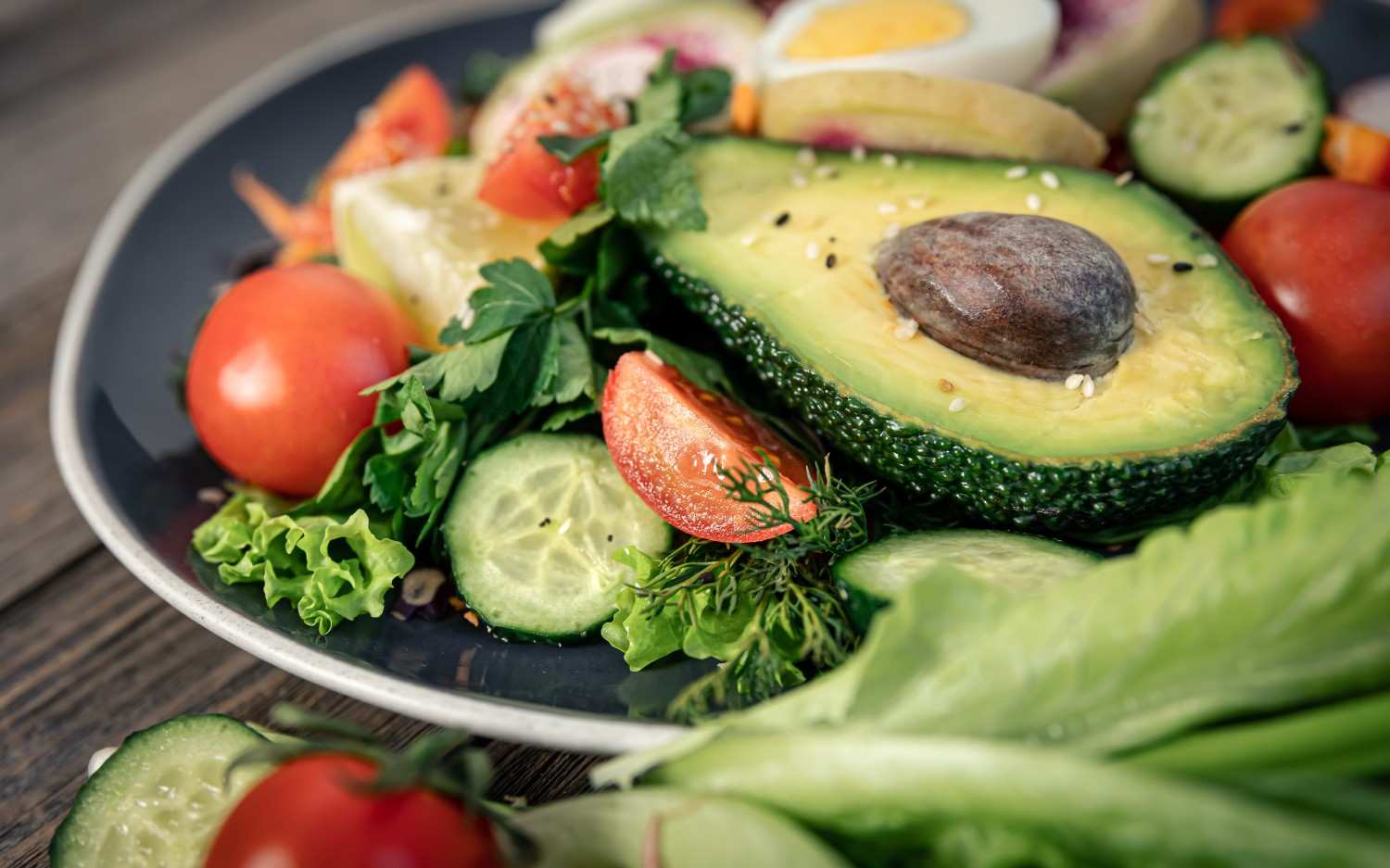
Want to add crunch to your salad? Toss in some sunflower seeds! They make an excellent topping for any salad, from a simple green mix to a grain-based bowl.
How to Make It:
- Ingredients: Mixed greens, cherry tomatoes, cucumber, avocado, and 1/4 cup of sunflower seeds.
- Instructions:
- Assemble your salad ingredients in a bowl.
- Sprinkle sunflower seeds on top for added texture and flavor.
- Drizzle with your favorite dressing, and enjoy!
Pros: Sunflower seeds add a delightful crunch and a boost of nutrients without overpowering the salad’s flavor.
Cons: If you’re watching your calorie intake, be mindful of portion sizes, as the seeds are calorie-dense.
3. Homemade Trail Mix
Store-bought trail mixes can be loaded with sugar and unhealthy fats. Why not make your own at home? Sunflower seeds are a perfect addition to a healthy trail mix.
How to Make It:
- Ingredients: 1 cup of sunflower seeds, 1 cup of unsweetened dried fruit (like cranberries or raisins), 1 cup of nuts (almonds or walnuts), and a sprinkle of dark chocolate chips (optional).
- Instructions:
- Mix all the ingredients in a large bowl.
- Store in an airtight container for a quick snack on the go.
Pros: This mix is customizable, and you get to control the ingredients, keeping it healthy and delicious.
Cons: Dried fruits can contain added sugars, so choose unsweetened options whenever possible.
4. Sunflower Seed Pesto
Pesto is not just for basil anymore! Sunflower seeds can be the star of a vibrant, heart-healthy pesto that you can use in pasta dishes, sandwiches, or as a dip.
How to Make It:
- Ingredients: 1 cup of fresh basil, 1/2 cup of sunflower seeds, 1/4 cup of grated Parmesan, 2 cloves of garlic, and 1/2 cup of olive oil.
- Instructions:
- Combine basil, sunflower seeds, Parmesan, and garlic in a food processor.
- Slowly drizzle in olive oil while blending until smooth.
- Season with salt and pepper to taste.
Pros: This pesto is rich in flavor and healthy fats, making it a great alternative to traditional recipes that often use nuts.
Cons: The flavor will differ slightly from traditional pesto, which some may find less appealing.
5. Sunflower Seed Granola Bars
Looking for a quick breakfast or snack? Homemade granola bars can be a fantastic way to incorporate sunflower seeds into your diet.
How to Make It:
- Ingredients: 2 cups of rolled oats, 1 cup of sunflower seeds, 1/2 cup of honey or maple syrup, 1/2 cup of nut butter, and optional add-ins like dried fruit or chocolate chips.
- Instructions:
- Preheat your oven to 350°F (175°C).
- Mix all ingredients in a bowl until combined.
- Press the mixture into a greased baking dish and bake for 20-25 minutes.
- Let cool, then cut into bars.
Pros: These bars are filling, nutritious, and perfect for meal prep.
Cons: They can be a bit crumbly if not pressed firmly enough, so make sure to pack them tightly before baking.
FAQs about Sunflower Seeds and Heart Health
1. Are sunflower seeds good for lowering blood pressure?
Yes! Sunflower seeds are high in magnesium, which can help regulate blood pressure levels.
2. Can I eat sunflower seeds every day?
Moderation is key. A small handful (about 1 oz) daily can be beneficial, but be mindful of your overall caloric intake.
3. Are there any risks associated with sunflower seeds?
While they are generally healthy, some people may have allergies. Additionally, they are calorie-dense, so portion control is important.
4. How can I store sunflower seeds?
Store them in an airtight container in a cool, dark place. For longer shelf life, consider refrigerating or freezing them.
Final Thoughts
Incorporating sunflower seeds into your diet can be a tasty and nutritious way to support heart health. Whether you’re spreading sunflower seed butter on toast, tossing them into a salad, or whipping up a batch of granola bars, these little seeds can make a big difference.
But remember, while sunflower seeds are a fantastic addition to a heart-healthy diet, they are just one part of the equation. A balanced diet rich in fruits, vegetables, whole grains, and lean proteins is crucial for optimal heart health.
So, what are you waiting for? Grab a bag of sunflower seeds, get creative in the kitchen, and enjoy the heart-healthy benefits they offer!
Disclaimer: This article is for educational purposes only and is not a substitute for professional medical advice. Always consult a qualified healthcare provider before making changes to your health routine.
References
- Buckland, G., et al. (2015). Nut and seed consumption and risk of cardiovascular disease: a systematic review and dose–response meta-analysis. American Journal of Clinical Nutrition, 101(5), 1000-1013. https://doi.org/10.3945/ajcn.114.099124
- Mayo Clinic. (n.d.). Heart-healthy diet. Retrieved from https://www.mayoclinic.org/diseases-conditions/heart-disease/in-depth/heart-healthy-diet/art-20046036
- Harvard Health Publishing. (n.d.). 10 tips for a heart-healthy diet. Retrieved from https://www.health.harvard.edu/heart-health/10-tips-for-a-heart-healthy-diet
Get Your FREE Natural Health Guide!
Subscribe now and receive our exclusive ebook packed with natural health tips, practical wellness advice, and easy lifestyle changes — delivered straight to your inbox.