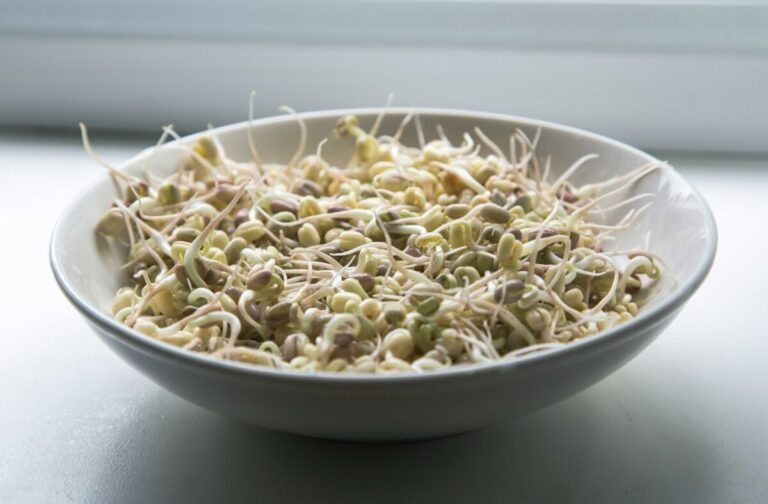
Flaxseed stands as a venerable inclusion in dietary considerations, often recognized for its unique nutritional composition. For centuries, various cultures have valued this small seed for its versatile applications, from textiles to foundational food elements.
Its recent resurgence in wellness dialogues centers on its rich profile of omega-3 fatty acids, specifically alpha-linolenic acid (ALA), alongside its dietary fiber and lignan content. These components collectively offer a broad spectrum of supportive properties for general health.
When considering flaxseed for eye support, the focus shifts to how these internal actions can contribute to overall ocular wellness. It’s not about isolated effects, but rather integrating a nutrient-dense food into a comprehensive approach to health.
1. Incorporating Whole Flaxseed for Enhanced Nutrient Uptake
Whole flaxseed, consumed directly, offers an intriguing way to engage with its nutritional components. The seed’s robust outer shell, while protective, also presents a challenge for full nutrient absorption. When ingested whole, much of the seed may pass through the digestive system undigested.
Despite this, whole flaxseed still contributes valuable insoluble fiber to the diet. This fiber plays a crucial role in supporting digestive regularity and gut health. A well-functioning digestive system is foundational for the efficient absorption of all nutrients, including those vital for eye wellness.
The general wellness of the gut can influence the body’s ability to utilize beneficial compounds from food. While whole flaxseed provides less direct access to ALA than ground forms, its fiber content remains a significant advantage for maintaining digestive harmony, which indirectly supports overall nutrient assimilation for all bodily systems.
- Primary Component: Insoluble Fiber
- Best Used For: Digestive regularity, gut microbiome support
- Key Action: Promotes digestive flow, aids in waste elimination
Preparation Suggestion
To incorporate whole flaxseed, consider adding a small quantity to baked goods or oatmeal before cooking. People often discuss these options with a qualified healthcare professional for personalized guidance, particularly with underlying digestive conditions.
2. Leveraging Ground Flaxseed for Omega-3 ALA Absorption
Grinding flaxseed unlocks its core nutritional treasures, particularly its high concentration of alpha-linolenic acid, or ALA. This plant-based omega-3 fatty acid is essential, meaning the body can’t produce it on its own and must obtain it from dietary sources.
Once consumed, ALA embarks on a complex metabolic pathway within the body. A portion of ALA can be converted into longer-chain omega-3s, eicosapentaenoic acid (EPA) and docosahexaenoic acid (DHA). While the conversion rate can vary significantly among individuals, this process contributes to the body’s omega-3 pool.
These converted omega-3s are often discussed for their role in the structural integrity of cell membranes throughout the body, including cells within the eyes. Supporting overall cellular wellness is a general strategy that many people consider for maintaining various bodily functions over time.
- Primary Component: Alpha-Linolenic Acid (ALA)
- Best Used For: Dietary omega-3 intake, general cellular support
- Key Action: Provides precursor for EPA and DHA, contributes to cellular structure
Dietary Inclusion Method
Integrate fresh ground flaxseed into smoothies, yogurt, or sprinkle it over salads. Grinding flaxseed just before consumption helps maintain the integrity of its delicate omega-3s. Research from the National Institutes of Health provides an overview of omega-3s.
3. Utilizing Flaxseed Oil for Concentrated ALA Delivery
Flaxseed oil represents a concentrated form of alpha-linolenic acid, extracted from the seeds through a pressing process. This oil provides a potent source of ALA, allowing for higher intake of this essential omega-3 fatty acid compared to whole or ground seeds.
The absence of fiber in flaxseed oil means its fatty acids are more readily available for absorption into the bloodstream. This direct delivery can be a practical way for individuals to increase their dietary omega-3 intake, which is often a point of discussion in general wellness circles.
When incorporating flaxseed oil, it’s vital to recognize its sensitivity to heat and light. These elements can degrade the delicate omega-3s, diminishing their potential benefits. Proper storage and use are important for preserving its nutritional value.
- Primary Component: Alpha-Linolenic Acid (ALA)
- Best Used For: Targeted dietary omega-3 supplementation, ease of consumption
- Key Action: Delivers concentrated ALA for systemic integration
Consumption Guideline
Add flaxseed oil to salad dressings, drizzle over cooked vegetables after they’ve cooled, or blend into smoothies. People with underlying conditions often work with a qualified healthcare professional for personalized guidance.
4. Harnessing Flaxseed’s Lignans and Antioxidants for General Wellness
Beyond its renowned omega-3 content, flaxseed is also a rich source of plant compounds known as lignans. These naturally occurring polyphenols are widely studied for their diverse interactions within the human body, particularly concerning cellular health and balance.
Lignans are considered phytoestrogens, plant compounds that can mimic or modulate the effects of estrogen in the body. This unique property is often discussed in the context of hormonal balance and overall cellular environment, contributing to a sense of internal equilibrium.
Furthermore, flaxseed contains various other antioxidant compounds. These substances are generally understood to help manage oxidative processes within the body. Maintaining this balance is a core principle of general wellness, supporting the body’s natural resilience. This information is educational and not a substitute for medical advice.
- Primary Components: Lignans, various antioxidants
- Best Used For: Supporting cellular balance, managing oxidative processes
- Key Action: Offers diverse plant compounds for systemic wellness
Storage Practice
Store ground flaxseed in an airtight container in the refrigerator or freezer to protect its delicate compounds from oxidation. This helps preserve the potency of its lignans and omega-3s.
5. Exploring Flaxseed Compresses for Ocular Comfort and Soothing
Historically, various natural materials have been used in simple external applications for comfort. Flaxseed, in a different form, can be prepared as a warm compress. This method focuses on providing localized warmth and a gentle, moist sensation to the outer eye area.
The application of a warm compress is a common practice for general relaxation and a soothing feeling. The gentle heat can help promote a sense of ease and comfort around the eyes. This approach is about creating a pleasant external sensation, not about direct physiological intervention.
When used carefully and hygienically, a flaxseed compress can be part of a personal comfort routine. It offers a natural, non-invasive way to experience a comforting warmth, which many people find calming after periods of eye strain or fatigue. This is a practice for general comfort, not for addressing medical conditions.
- Primary Application: External warmth and moisture
- Best Used For: Ocular comfort, soothing sensation, relaxation
- Key Action: Provides gentle, localized warmth and moisture to the external eye area
Application Method
Create a small, breathable sachet of whole flaxseed, heat it gently (ensure it’s not too hot), and apply it to the closed eyelids. Always test the temperature carefully on your wrist first to avoid any discomfort or harm. Ensure cleanliness to maintain hygiene.
Comparative Overview of Flaxseed Forms
Understanding the distinctions between various forms of flaxseed is key to integrating them effectively into a wellness regimen. Each form offers unique attributes in terms of nutrient availability and practical application.
| Flaxseed Form | Primary Benefit | ALA Availability | Fiber Content | Best Use Case |
|---|---|---|---|---|
| Whole Flaxseed | Digestive support, insoluble fiber | Low (due to indigestible hull) | High (insoluble & soluble) | General gut health, texture in foods |
| Ground Flaxseed | Omega-3 ALA, lignans, fiber | High (unlocked by grinding) | High (insoluble & soluble) | Daily omega-3 intake, general nutrition |
| Flaxseed Oil | Concentrated Omega-3 ALA | Very High (direct oil) | None | Targeted ALA supplementation, dressings |
This table illustrates how specific forms of flaxseed cater to different wellness objectives. Choosing the right form depends on an individual’s goals and dietary preferences.
For individuals seeking maximum omega-3 absorption, ground flaxseed or flaxseed oil might be preferred. For digestive health, whole or ground flaxseed provides significant fiber. People with underlying conditions often work with a qualified healthcare professional for personalized guidance.
Common Considerations When Incorporating Flaxseed
Integrating flaxseed into a daily routine can be straightforward, but a few key considerations help maximize its potential contributions to wellness. These practices focus on preserving the integrity of its delicate compounds and ensuring effective use.
One frequent oversight is neglecting to grind whole flaxseeds. The hard outer shell of the seed is largely indigestible, meaning the valuable omega-3s and lignans remain locked within unless the seed is broken down. Freshly grinding ensures these nutrients are available for the body to access.
Another important aspect is storage. Flaxseed, particularly in its ground form or as oil, is susceptible to oxidation. Exposure to air, light, and heat can degrade the omega-3 fatty acids, reducing their potency. Proper storage methods are therefore essential for maintaining quality.
When adding flaxseed to recipes, considering its flavor and texture is also helpful. Ground flaxseed has a mild, nutty taste that blends well with many foods. Flaxseed oil has a distinct flavor that some enjoy in cold preparations, but it’s generally not suitable for high-heat cooking due to its low smoke point and omega-3 degradation.
Frequently Asked Questions
Can flaxseed directly improve vision?
Flaxseed is not discussed as a direct vision enhancer. It provides omega-3 ALA and other nutrients that support general bodily functions, including cellular wellness. Maintaining a balanced diet with diverse nutrients is a general wellness strategy.
Is flaxseed oil better than ground flaxseed for eye support?
Flaxseed oil offers a more concentrated dose of ALA, which means higher intake of this particular omega-3. Ground flaxseed, however, provides ALA, lignans, and dietary fiber, contributing to a broader spectrum of general wellness benefits. The “best” form depends on individual dietary goals and preferences.
How much flaxseed should I consume daily?
There isn’t a universally prescribed amount for flaxseed for general wellness. Starting with a small amount, such as a tablespoon of ground flaxseed per day, and observing how your body responds is a common approach. People with underlying conditions often work with a qualified healthcare professional for personalized guidance.
Can flaxseed help with ocular discomfort?
A warm flaxseed compress applied externally to the closed eyelids can provide a soothing and comforting sensation. This is a practice for general comfort and relaxation, not for addressing medical conditions or symptoms. This information is educational and not a substitute for medical advice.
The Bottom Line
Flaxseed stands as a simple yet potent addition to a comprehensive wellness strategy, offering a spectrum of compounds that support the body’s overall functioning. Its rich supply of omega-3 alpha-linolenic acid, dietary fiber, and lignans makes it a valuable component for those aiming to bolster general health.
By understanding the nuances of whole, ground, and oil forms, individuals can effectively integrate flaxseed to leverage its specific nutritional contributions. Focusing on general cellular wellness and balanced internal processes is a foundational approach to health.
When considering flaxseed for eye support, the focus is on how its systemic contributions can complement a broader lifestyle dedicated to overall well-being. It is about nurturing the body’s internal environment to support all its intricate systems.
Consider a Consistent Inclusion
Explore adding ground flaxseed or flaxseed oil to your daily dietary practices to consistently provide these valuable nutrients.
Get Your FREE Natural Health Guide!
Subscribe now and receive our exclusive ebook packed with natural health tips, practical wellness advice, and easy lifestyle changes, delivered straight to your inbox.