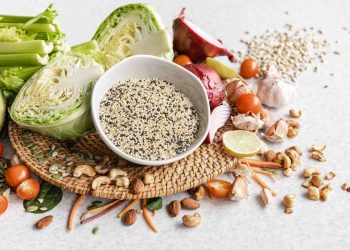
Did you know that simply adding certain spices to your meals can rev up your metabolism? It sounds almost too good to be true—like something out of a health guru’s playbook—but the science is there. If you’re looking for natural ways to boost your metabolic rate, you might want to consider some of the spices you already have in your kitchen. Let’s dive into five powerhouse spices that can help supercharge your metabolism.

Contents
1. Cayenne Pepper: The Fiery Metabolism Booster
Cayenne pepper is perhaps one of the most well-known spices when it comes to boosting metabolism. The secret? Capsaicin. This compound gives cayenne its heat and has been shown to increase metabolic rate, promote fat oxidation, and even suppress appetite.
How It Works
Research suggests that capsaicin can raise your body’s temperature, leading to a phenomenon called “thermogenesis.” This process burns calories and can make you feel warmer. A study published in the American Journal of Clinical Nutrition found that participants who consumed capsaicin experienced a significant increase in energy expenditure.
Pros and Cons
- Pros: Easy to incorporate into meals; can enhance flavor.
- Cons: May cause digestive discomfort for some; not suitable for those with certain gastrointestinal conditions.
How to Use It
Try adding cayenne pepper to soups, stews, or even sprinkled on eggs. Just a pinch can add a kick and help your metabolism along.
2. Ginger: The Digestive Dynamo
Ginger is another spice that packs a metabolic punch. Traditionally used for its anti-inflammatory and digestive benefits, ginger can also enhance metabolic rate and support weight management.
How It Works
Gingerol, the active compound in ginger, may help regulate blood sugar levels, which can influence metabolism. A study in the Journal of the Science of Food and Agriculture indicated that ginger can increase thermogenesis and fat oxidation.
Pros and Cons
- Pros: Great for digestion; can help alleviate nausea; versatile in cooking.
- Cons: Some may find its flavor too strong; excessive consumption can lead to heartburn.
How to Use It
Add fresh ginger to smoothies, teas, or stir-fries. It can also be used in baking for a subtle spice kick.
3. Cinnamon: The Sweet Metabolic Enhancer
Cinnamon isn’t just for your morning oatmeal; it’s a spice that can help regulate blood sugar and improve insulin sensitivity, which is crucial for a well-functioning metabolism.
How It Works
Cinnamon has been shown to lower blood sugar levels and improve insulin sensitivity, making it easier for your body to utilize glucose for energy instead of storing it as fat. A study published in Diabetes Care found that cinnamon could significantly lower fasting blood sugar levels.
Pros and Cons
- Pros: Delicious and aromatic; easy to add to various dishes.
- Cons: Ceylon cinnamon is preferred over Cassia cinnamon due to lower coumarin levels, which can be harmful in large amounts.
How to Use It
Sprinkle cinnamon on oatmeal, yogurt, or in smoothies. It’s also a great addition to baked goods.
4. Turmeric: The Golden Spice
Turmeric has gained popularity for its anti-inflammatory properties, but it also has a role in metabolism. The active compound, curcumin, has been studied for its effects on weight management and metabolic health.
How It Works
Curcumin may help reduce the formation of fat tissue by suppressing the growth of new blood vessels in fat tissue. A study in the European Journal of Nutrition found that curcumin can influence body weight and fat mass.
Pros and Cons
- Pros: Anti-inflammatory properties; can add color and flavor to dishes.
- Cons: May not be well absorbed without black pepper; some people may find it bitter.
How to Use It
Incorporate turmeric into curries, soups, or even smoothies. Pairing it with black pepper can enhance absorption.
5. Black Pepper: The Everyday Spice
Black pepper might seem ordinary, but it contains piperine, a compound that can enhance metabolic performance. It’s a staple in many kitchens, making it easy to incorporate into your daily diet.
How It Works
Piperine can increase the bioavailability of various nutrients and enhance thermogenesis. A study published in the Journal of Agricultural and Food Chemistry revealed that piperine can significantly increase metabolic rate.
Pros and Cons
- Pros: Versatile and easy to use; enhances flavor.
- Cons: Excessive consumption can lead to digestive issues for some.
How to Use It
Use black pepper in almost any savory dish. It pairs well with everything from salads to meats.
FAQs
1. Can spices really help with weight loss?
Yes, certain spices can enhance your metabolism and help regulate blood sugar, which may support weight loss efforts when combined with a healthy diet and exercise.
2. How much of these spices should I use?
A pinch or two in your meals is typically enough to reap the benefits. However, everyone’s tolerance can vary, so start small and adjust as needed.
3. Are there any side effects to using these spices?
While most spices are safe in moderation, some individuals may experience digestive discomfort or allergic reactions. It’s always best to consult with a healthcare provider if you have concerns.
4. Can I take these spices in supplement form?
While supplements are available, it’s generally better to consume spices in their natural form through food. This ensures you get the full range of benefits and nutrients.
Conclusion
Adding these five spices—cayenne pepper, ginger, cinnamon, turmeric, and black pepper—to your meals can be an easy and flavorful way to support your metabolism. They not only enhance the taste of your dishes but also come packed with health benefits.
Remember, though, that no spice can replace a balanced diet and regular exercise. So while you’re sprinkling cayenne on your eggs or stirring ginger into your tea, keep in mind that your overall lifestyle plays a crucial role in your metabolic health.
This article is for educational purposes only and is not a substitute for professional medical advice. Always consult a qualified healthcare provider before making changes to your health routine.
References
-
Koo, S. I., & Kwan, S. (2018). Capsaicin and Diabetic Metabolism: A Review. American Journal of Clinical Nutrition. Retrieved from https://academic.oup.com/ajcn/article/108/4/832/5037782
-
Khanna, S., & Kumar, D. (2015). Effects of Ginger on Body Weight and Glycemic Control. Journal of the Science of Food and Agriculture. Retrieved from https://onlinelibrary.wiley.com/doi/full/10.1002/jsfa.7078
-
Khan, A., & Sultana, S. (2003). Cinnamon Improves Glucose and Lipids of People with Type 2 Diabetes. Diabetes Care. Retrieved from https://care.diabetesjournals.org/content/26/12/3215
-
Panahi, Y., & Sahebkar, A. (2016). The Role of Curcumin in Weight Management: A Review. European Journal of Nutrition. Retrieved from https://link.springer.com/article/10.1007/s00394-015-0943-9
-
Shoba, G., & Joy, D. (1998). Influence of Piperine on the Pharmacokinetics of Curcumin in Animals and Human Volunteers. Journal of Agricultural and Food Chemistry. Retrieved from https://pubs.acs.org/doi/abs/10.1021/jf9806072
Get Your FREE Natural Health Guide!
Subscribe now and receive our exclusive ebook packed with natural health tips, practical wellness advice, and easy lifestyle changes — delivered straight to your inbox.