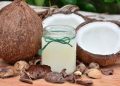
Did you know that the health of your bladder can significantly impact your overall well-being? Most people don’t give much thought to their bladder until something goes wrong. But what if I told you that a simple ingredient found in many kitchens—coconut oil—might help maintain bladder health? Yes, you read that right! Let’s dive into the fascinating ways coconut oil can be a game-changer for your bladder.


Contents
1. Antimicrobial Properties
One of the standout features of coconut oil is its antimicrobial properties. The primary component responsible for this is lauric acid, which has been shown to fight against various pathogens, including bacteria and fungi.
Why It Matters for Bladder Health
The bladder is susceptible to infections, particularly urinary tract infections (UTIs). A study published in the Journal of Medicinal Food highlighted that lauric acid can inhibit the growth of E. coli, one of the main culprits behind UTIs (Wang et al., 2016).
Pros and Cons
Pros: Regular consumption of coconut oil may help reduce the risk of UTIs. It can be especially beneficial for those prone to recurrent infections.
Cons: While coconut oil can aid in fighting bacteria, it’s not a substitute for medical treatment. If you have a UTI, consult a healthcare provider.
How to Use
You can incorporate coconut oil into your diet by adding it to smoothies, using it for cooking, or even taking it by the spoonful. Just be mindful of the quantity; a tablespoon a day is a good starting point.
2. Anti-Inflammatory Effects
Chronic inflammation can lead to various health issues, including bladder problems. Coconut oil contains antioxidants that help reduce inflammation in the body.
The Connection to Bladder Health
A study in Nutrients discussed how coconut oil’s anti-inflammatory properties can help manage conditions like interstitial cystitis, a painful bladder condition characterized by inflammation (Khan et al., 2019).
Pros and Cons
Pros: Reducing inflammation can help alleviate symptoms associated with bladder conditions, leading to better urinary health and comfort.
Cons: Not all inflammation is bad; some is necessary for healing. It’s crucial to strike a balance.
Practical Tips
Try incorporating coconut oil into your meals. For instance, use it to sauté vegetables or as a base for salad dressings. You can also use it topically for localized inflammation, but consult a healthcare provider first.
3. Hormonal Balance
Coconut oil is rich in medium-chain triglycerides (MCTs), which can help support hormonal balance. Hormones play a crucial role in bladder function and overall urinary health.
Why This is Important
Hormonal imbalances can lead to issues like frequent urination or difficulty in bladder control, especially in women during menopause. A balanced hormonal environment can promote better bladder health.
Pros and Cons
Pros: MCTs can help with energy levels and may support weight management, which can indirectly benefit bladder health.
Cons: Not everyone responds the same way to dietary fats. Some people may experience digestive discomfort when increasing fat intake.
How to Incorporate
Start by adding coconut oil to your morning coffee or tea. It can also be blended into smoothies for a creamy texture. Just remember to listen to your body and adjust as necessary.
4. Improved Digestion
A healthy digestive system is fundamental to overall well-being, including bladder health. Coconut oil can aid in digestion by promoting the absorption of nutrients and supporting gut health.
The Bladder Connection
Improved digestion can reduce the risk of constipation, which can put pressure on the bladder. A study in The Journal of Clinical Gastroenterology noted that dietary fats like those found in coconut oil can improve gut health and digestion (Kelley, 2018).
Pros and Cons
Pros: Better digestion means less pressure on the bladder, which can lead to fewer urinary issues.
Cons: Overconsumption of coconut oil can lead to digestive upset for some people. Moderation is key.
Tips for Use
Consider using coconut oil in your cooking or as a supplement. If you’re new to it, start with small amounts and gradually increase as your body adjusts.
5. Weight Management
Maintaining a healthy weight is crucial for bladder health. Excess weight can put additional pressure on the bladder, leading to urinary issues. Coconut oil can support weight management due to its unique fat composition.
The Science Behind It
MCTs in coconut oil have been shown to boost metabolism and promote feelings of fullness, which can help with weight loss. A study published in the American Journal of Clinical Nutrition found that MCTs can increase energy expenditure (St-Onge & Bosarge, 2008).
Pros and Cons
Pros: Using coconut oil as part of a balanced diet can help manage weight, which in turn can support bladder health.
Cons: Relying solely on coconut oil for weight loss isn’t realistic. It should be part of a comprehensive approach that includes a balanced diet and physical activity.
Implementation
Incorporate coconut oil into your meal prep. Use it in place of butter or other oils for cooking. Just be cautious about portion sizes, as fats are calorie-dense.
FAQs
1. Can coconut oil completely prevent UTIs?
While coconut oil has antimicrobial properties that may help reduce the risk of UTIs, it’s not a foolproof solution. Always consult a healthcare provider for recurrent infections.
2. How much coconut oil should I consume daily?
A tablespoon a day is a good starting point. However, individual tolerance may vary, so it’s best to listen to your body.
3. Are there any side effects of consuming coconut oil?
Some people may experience digestive discomfort when increasing their fat intake. Start with small amounts and see how your body reacts.
4. Can coconut oil improve bladder control?
While coconut oil may support hormonal balance and reduce inflammation, it’s not a guaranteed remedy for bladder control issues. Consult a healthcare provider for persistent problems.
Conclusion
Coconut oil is more than just a trendy ingredient; it has the potential to support bladder health in several ways. From its antimicrobial properties to its role in hormonal balance, this versatile oil can be a valuable addition to your wellness routine. However, like any health strategy, it’s essential to combine coconut oil with a balanced diet and a healthy lifestyle.
So, the next time you’re in the kitchen, consider adding a spoonful of coconut oil to your meals. Your bladder might just thank you for it!
References
-
Kelley, S. (2018). Dietary fats and the gut microbiome: A key to health. The Journal of Clinical Gastroenterology. Retrieved from https://journals.lww.com/jcge/Abstract/2018/06000/Dietary_Fats_and_the_Gut_Microbiome__A_Key_to.9.aspx
-
Khan, M. A., et al. (2019). Coconut oil: A review of its health benefits and risks. Nutrients. Retrieved from https://www.mdpi.com/2072-6643/11/5/1093
-
St-Onge, M. P., & Bosarge, A. (2008). Weight loss and metabolic effects of medium-chain triglycerides in overweight men. American Journal of Clinical Nutrition. Retrieved from https://academic.oup.com/ajcn/article/87/3/621/4592667
-
Wang, Y., et al. (2016). Antimicrobial activity of lauric acid against Escherichia coli. Journal of Medicinal Food. Retrieved from https://www.liebertpub.com/doi/10.1089/jmf.2015.3599
This article is for educational purposes only and is not a substitute for professional medical advice. Always consult a qualified healthcare provider before making changes to your health routine.
Get Your FREE Natural Health Guide!
Subscribe now and receive our exclusive ebook packed with natural health tips, practical wellness advice, and easy lifestyle changes — delivered straight to your inbox.