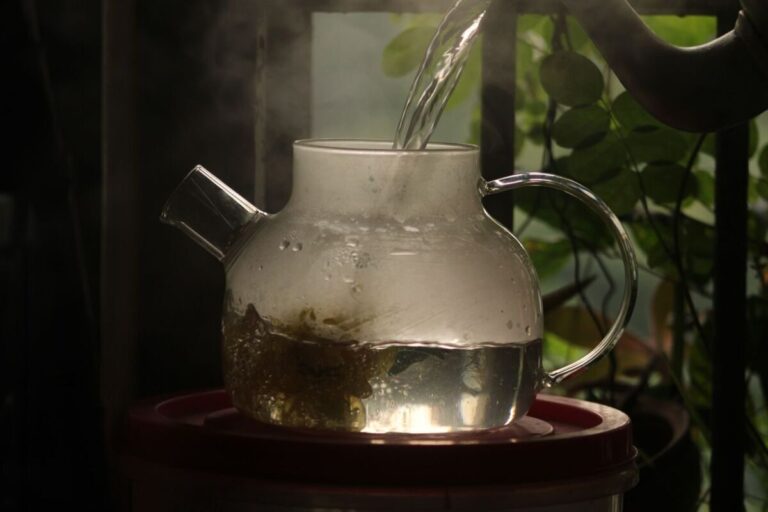
Soothing Chest Discomfort: Exploring Ginger Lemon Tea and Other Botanical Infusions
Navigating moments of chest discomfort often leads people to seek gentle, supportive approaches. Botanical infusions have long been valued for their comforting qualities. Among these, ginger lemon tea for chest inflammation is a frequently discussed option, known for its traditional role in wellness practices.
Understanding how specific plant compounds interact with the body offers a clearer perspective on these age-old remedies. The science behind these natural components is continuously being explored, revealing their various properties.
This guide delves into five distinct soothing remedies that incorporate tea, providing insight into their historical use and potential for general well-being. People with underlying conditions often work with a qualified healthcare professional for personalized guidance.
1. Ginger Lemon Tea: A Warming Blend
Ginger, derived from the root of the Zingiber officinale plant, boasts a long history in traditional wellness systems across Asia. Its distinct pungent flavor is matched by a profile of active compounds that contribute to its celebrated warming sensation.
Lemon, on the other hand, is a citrus fruit renowned for its refreshing aroma and bright flavor. It complements ginger, adding a zesty note that many find invigorating, especially when feeling under the weather. The combination creates a comforting and familiar infusion.
The primary active compounds in ginger are called gingerols and shogaols. These phytochemicals are responsible for much of ginger’s distinctive character and are often discussed in relation to its soothing properties. The preparation of ginger can influence the ratio of these compounds, with dried ginger containing higher levels of shogaols.
The historical application of ginger includes its use in various culinary and therapeutic traditions. From ancient Chinese medicine to Ayurvedic practices, ginger has maintained a prominent role for centuries, valued for its versatility and perceived benefits.
- Active Compounds: Gingerols, Shogaols, Citric Acid, Limonene, Vitamin C (from lemon).
- Best Used For: General comfort, promoting warmth, supporting a sense of well-being.
- Associated Qualities: Warming, zesty, supports digestive ease.
Preparation Suggestion
To prepare a comforting infusion, steep freshly sliced ginger root and lemon wedges in hot water for several minutes.
2. Turmeric Black Pepper Tea: Enhancing Absorption
Turmeric, a vibrant yellow spice sourced from the root of Curcuma longa, holds deep cultural significance, particularly in Indian and Southeast Asian traditions. It’s not just a culinary staple; it’s revered for its distinctive color and potential wellness attributes.
The star compounds within turmeric are curcuminoids, with curcumin being the most studied. Curcumin is what gives turmeric its brilliant hue and is the focus of much scientific inquiry regarding its properties. However, curcumin’s absorption in the body can be a challenge.
This is where black pepper enters the equation. Black pepper contains piperine, an alkaloid known to enhance the bioavailability of curcumin. When combined, piperine helps the body utilize curcumin more effectively, maximizing the potential benefits of the turmeric.
The pairing of turmeric and black pepper is a well-established practice, rooted in both traditional knowledge and modern scientific understanding. This synergy underscores the importance of combining botanicals thoughtfully to optimize their natural qualities.
- Active Compounds: Curcuminoids (e.g., Curcumin), Piperine.
- Best Used For: Supporting general wellness, promoting balance, enhancing nutrient utilization.
- Associated Qualities: Earthy, mildly pungent, absorption-supportive.
Brewing Recommendations
Simmer grated fresh turmeric root with a pinch of black pepper in water, then strain and enjoy as a warming beverage.
3. Peppermint Tea: A Refreshing Infusion
Peppermint, a hybrid mint species derived from watermint and spearmint, is celebrated globally for its invigorating aroma and cooling sensation. Its leaves are a popular choice for herbal teas, offering a refreshing experience that many find uplifting.
The primary active compound in peppermint is menthol, which is responsible for its characteristic scent and the cooling effect it imparts. Menthol interacts with specific receptors in the body, creating sensations of coolness and freshness that contribute to its widespread appeal.
Beyond menthol, peppermint also contains other beneficial compounds like menthone and menthyl acetate. These contribute to the overall complex aroma and perceived soothing properties of the herb, making it more than just a pleasant scent.
Peppermint tea is often chosen during times of discomfort because of its refreshing qualities. It’s a gentle option that can be easily incorporated into a daily routine, offering a moment of calm and sensory refreshment.
- Active Compounds: Menthol, Menthone, Menthyl Acetate, Flavonoids.
- Best Used For: Refreshment, supporting a clear sensation, promoting calm.
- Associated Qualities: Cooling, invigorating, aromatic.
Infusion Method
Steep a handful of fresh peppermint leaves or a dried peppermint tea bag in hot water for a brisk and refreshing drink.
4. Licorice Root Tea: Sweet and Supportive
Licorice root, derived from the plant Glycyrrhiza glabra, possesses a distinctive sweet flavor that sets it apart from many other botanicals. Its use spans thousands of years, featuring prominently in traditional Chinese medicine and European herbalism.
The primary sweet-tasting compound in licorice root is glycyrrhizin, which is significantly sweeter than sugar. Beyond its flavor profile, glycyrrhizin and its related compounds, known as saponins, are the subject of ongoing research regarding their potential properties.
Licorice root is often included in herbal blends due to its unique taste and supportive attributes. It’s known for its ability to balance other, more bitter flavors, making it a valuable addition to complex botanical formulations.
When incorporating licorice root into a wellness routine, it’s important to be mindful of its potent effects. Some people choose deglycyrrhizinated licorice (DGL) preparations to minimize certain impacts, though traditional licorice root remains popular for its full spectrum of compounds.
- Active Compounds: Glycyrrhizin, Flavonoids, Saponins.
- Best Used For: Promoting comfort, supporting a sense of balance, aiding a soothing sensation.
- Associated Qualities: Sweet, earthy, often considered harmonizing in blends.
Usage Protocol
Infuse dried licorice root pieces in hot water for a naturally sweet and comforting beverage, being mindful of its potency.
5. Thyme Tea: Aromatic and Traditional
Thyme, a common culinary herb from the Thymus vulgaris plant, is much more than just a seasoning. It has a rich history in traditional European herbalism, often used for its aromatic properties and perceived supportive qualities for general well-being.
The key active compounds in thyme are thymol and carvacrol. These phenolic compounds give thyme its characteristic strong, herbaceous aroma and are widely discussed for their natural properties. They contribute significantly to the plant’s overall profile.
Thyme has been traditionally employed in various forms, including as an infused tea. Its robust flavor is often appreciated during times when a strong, herbaceous botanical is desired, offering a distinctly natural and earthy experience.
Preparing a tea from fresh or dried thyme is a straightforward process, allowing for the gentle extraction of its beneficial compounds. This infusion can become a regular part of a wellness regimen for those who appreciate its unique character.
- Active Compounds: Thymol, Carvacrol, Flavonoids.
- Best Used For: Aromatic comfort, supporting general wellness, contributing to a sense of clarity.
- Associated Qualities: Pungent, herbaceous, invigorating aroma.
Steeping Guidelines
Steep a few sprigs of fresh thyme or a teaspoon of dried thyme in hot water to create an aromatic and supportive tea.
Comparing Soothing Botanical Teas
Each of these botanical teas offers a unique profile of active compounds and traditional uses. Understanding these distinctions can help in selecting the most suitable option for personal comfort and wellness goals. This table provides a high-level overview of their key attributes.
| Botanical Tea | Key Active Compounds | Primary Associated Quality | Traditional Use Focus |
|---|---|---|---|
| Ginger Lemon Tea | Gingerols, Shogaols, Vitamin C | Warming, Zesty | General comfort, promoting warmth |
| Turmeric Black Pepper Tea | Curcuminoids, Piperine | Earthy, Absorption-Supportive | Wellness support, nutrient utilization |
| Peppermint Tea | Menthol, Menthone | Cooling, Refreshing | Sensory refreshment, invigorating feeling |
| Licorice Root Tea | Glycyrrhizin, Saponins | Sweet, Balancing | Soothing comfort, flavor enhancer |
| Thyme Tea | Thymol, Carvacrol | Herbaceous, Aromatic | Aromatic comfort, general wellness |
Frequently Asked Questions
What is the best way to prepare ginger lemon tea for maximum benefit?
For a robust ginger lemon tea, use fresh ginger root. Slice it thinly or grate it, then combine with fresh lemon slices in hot water. Allowing it to steep for 5-10 minutes helps extract the compounds. Some people prefer to lightly crush the ginger to release more oils.
Can I combine these different teas, and are there any considerations?
Combining botanicals is a common practice in herbal traditions. For instance, ginger and turmeric are often blended. It’s generally advisable to start with smaller amounts when combining new ingredients to see how your body responds. People with underlying conditions often work with a qualified healthcare professional for personalized guidance.
How often can I consume these botanical teas?
Botanical teas can be enjoyed as part of a daily wellness routine. Most people find that 1-3 cups a day provides a pleasant and comforting experience. As with any food or drink, individual tolerance and preferences vary. Pay attention to how your body feels.
Are there any particular times of day these teas are best consumed?
Peppermint tea is often enjoyed after meals due to its refreshing qualities. Warming teas like ginger or turmeric are popular during cooler weather or in the morning. Licorice root tea can be quite sweet, making it a good choice for those who prefer a dessert-like beverage. Ultimately, personal preference dictates the best time to enjoy these infusions.
The Bottom Line
Exploring the world of botanical teas offers a pathway to gentle comfort and supports general well-being. From the warming properties of ginger lemon tea to the unique aromatic profile of thyme, these natural infusions have stood the test of time, valued across diverse cultures for their comforting qualities. Remember, this information is educational and not a substitute for medical advice. Research from the National Institutes of Health provides further insights into the properties of various herbs.
Consider incorporating one of these soothing botanical teas into your daily routine to experience their subtle, supportive benefits for yourself.
Get Your FREE Natural Health Guide!
Subscribe now and receive our exclusive ebook packed with natural health tips, practical wellness advice, and easy lifestyle changes, delivered straight to your inbox.