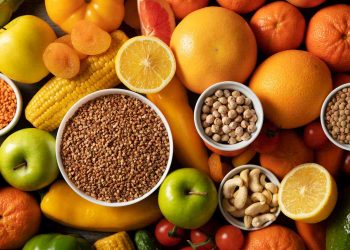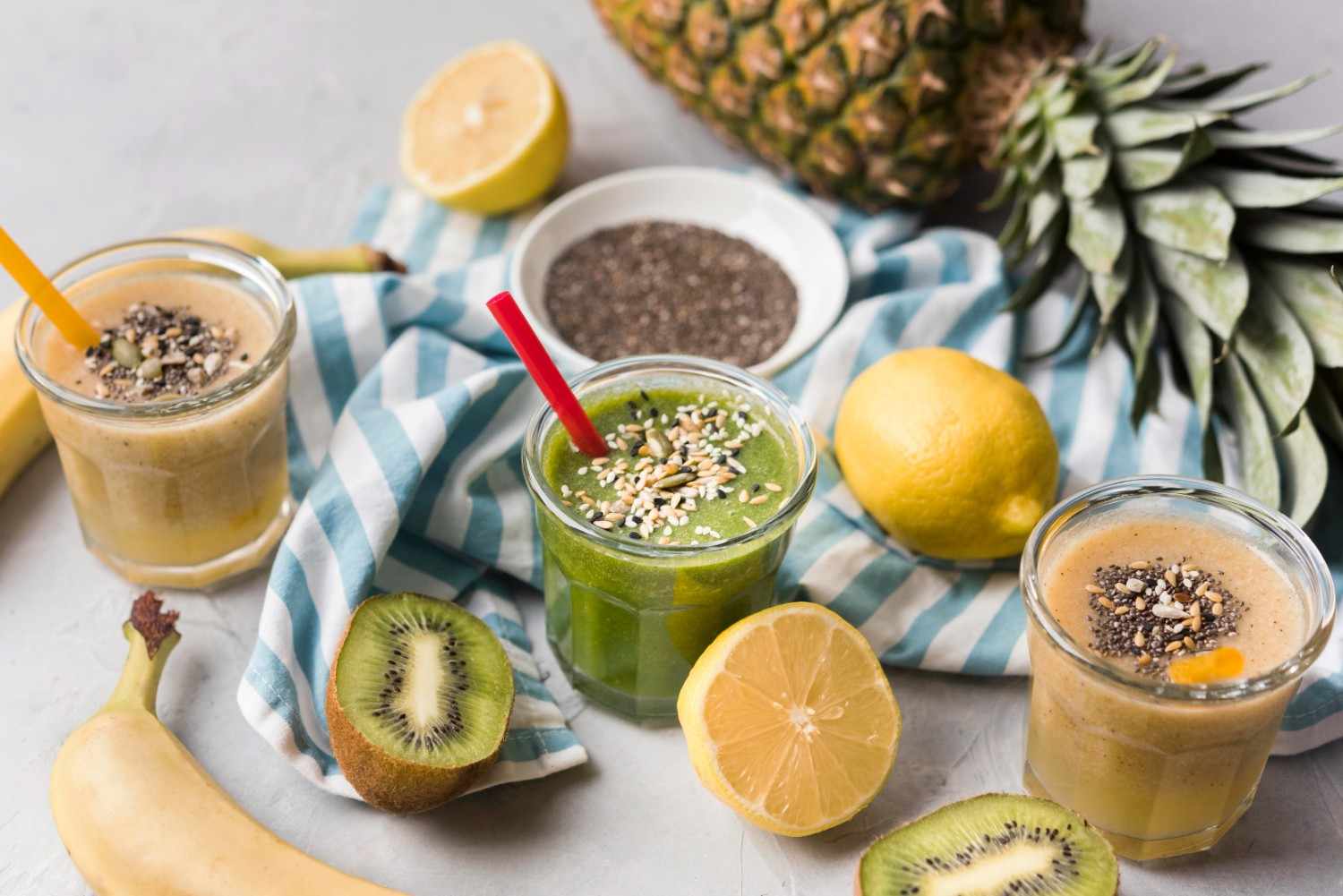
In recent years, plant-based diets have surged in popularity, touted not only for their health benefits but also for their environmental impact. But with this rise comes a slew of misconceptions that can cloud judgment. So, what’s the real deal? Is going plant-based the magic bullet for health, or is it just another fad? Let’s dive into the myths and truths surrounding plant-based diets, and I’ll share some practical tips for those considering the switch.

Contents
Myth vs. Truth: Debunking Common Misconceptions
Myth 1: Plant-Based Diets Are Always Healthy
Truth: Not all plant-based diets are created equal. While whole foods like fruits, vegetables, legumes, and whole grains are undeniably healthy, a plant-based diet can still include processed foods high in sugar, salt, and unhealthy fats. Think about it—just because something is labeled “vegan” doesn’t mean it’s nutritious.
For example, vegan cookies and chips can be packed with sugar and preservatives. A study by Satija et al. (2017) published in JAMA Internal Medicine found that while plant-based diets are linked to lower risks of heart disease, the benefits largely stem from whole, unprocessed foods rather than processed alternatives.
Myth 2: You Can’t Get Enough Protein on a Plant-Based Diet
Truth: This is a common concern, especially among athletes and fitness enthusiasts. However, numerous plant foods are rich in protein, including lentils, chickpeas, quinoa, tofu, and tempeh.
In fact, a 2019 study from the American Journal of Clinical Nutrition concluded that plant-based proteins can be just as effective as animal proteins for muscle growth and repair. So, if you’re worried about protein intake, just do a little meal planning, and you’ll be set!
Myth 3: Plant-Based Diets Are Expensive
Truth: While some specialty plant-based products can be pricey, a plant-based diet can actually be cost-effective. Staples like beans, rice, and seasonal vegetables are budget-friendly.
For instance, a simple meal of lentils and rice costs significantly less than a steak dinner. A 2020 study from the Harvard T.H. Chan School of Public Health found that a plant-based diet can be more economical, especially when focusing on whole foods.
Myth 4: You Need to Be 100% Plant-Based for It to Work
Truth: You don’t have to go full vegan to reap the benefits of a plant-based diet. Many people find success with a flexible approach, like a “plant-forward” diet where plants make up the majority of meals but don’t eliminate animal products entirely.
This is known as a flexitarian diet, which has been shown to improve health outcomes without the pressure of strict dietary rules.
Myth 5: Plant-Based Diets Are Boring
Truth: This stereotype couldn’t be further from the truth! The variety of flavors, textures, and cuisines available in plant-based cooking is vast. From vibrant curries to hearty stews, the options are endless.
Consider exploring different cultures’ plant-based dishes! Indian, Mediterranean, and Southeast Asian cuisines offer a treasure trove of delicious plant-based recipes that can keep your meals exciting.
Practical Tips for Transitioning to a Plant-Based Diet
If you’re considering making the switch, here are some practical steps to ease the transition:
1. Start Slow
You don’t have to overhaul your entire diet overnight. Begin by incorporating more plant-based meals into your week. Try “Meatless Mondays” or swap out one meal a day for a plant-based option.
2. Explore New Recipes
Get adventurous in the kitchen! Check out cookbooks and blogs dedicated to plant-based eating. Websites like Minimalist Baker and Oh She Glows offer a plethora of easy, delicious recipes.
3. Stock Your Pantry
Fill your pantry with essentials like beans, lentils, whole grains, nuts, and seeds. Having these staples on hand makes it easier to whip up a meal at a moment’s notice.
4. Learn About Nutritional Needs
Educate yourself on essential nutrients that can be less abundant in a plant-based diet, such as vitamin B12, iron, and omega-3 fatty acids. Consider consulting a registered dietitian to help you plan balanced meals.
5. Be Mindful of Processed Foods
While it’s tempting to rely on convenience foods, focus on whole, minimally processed options. They are more nutritious and will keep you feeling satisfied.
6. Join a Community
Find a local or online community of plant-based eaters. Sharing recipes, tips, and experiences can make the transition more enjoyable and less isolating.
7. Listen to Your Body
Everyone’s experience with a plant-based diet is unique. Pay attention to how your body feels and adjust your diet as needed. If you find certain foods don’t sit well, don’t hesitate to explore alternatives.
Cultural and Historical Context of Plant-Based Diets
Plant-based diets aren’t just a modern trend; they have deep historical roots. Many cultures have long relied on plant-based foods for sustenance. For instance, traditional Mediterranean diets emphasize fruits, vegetables, whole grains, and legumes, with only moderate amounts of meat and dairy.
Similarly, in many Asian cultures, plant-based meals are the norm, with dishes centered around rice, vegetables, and tofu. This historical context highlights that plant-based eating is not just a fad but a way of life for many people around the world.
Case Study: The Blue Zones
The concept of “Blue Zones” refers to regions in the world where people live significantly longer and healthier lives. The diets in these areas often emphasize plant-based foods. For example, in Okinawa, Japan, the diet is rich in sweet potatoes, tofu, and green leafy vegetables.
Research has shown that the people in these regions have lower rates of chronic diseases, which many attribute to their plant-centric diets. A study published in The Journal of Nutrition (Buettner, 2016) emphasizes that the combination of a plant-based diet, physical activity, and strong social connections contributes to their longevity.
Q&A: Common Questions About Plant-Based Diets
Q: Can I lose weight on a plant-based diet?
A: Absolutely! Many people find that a plant-based diet helps them shed pounds due to the higher fiber content and lower calorie density of whole foods.
Q: What about calcium and vitamin D?
A: You can get calcium from fortified plant milks, leafy greens, and tofu. For vitamin D, consider fortified foods or supplements, especially if you live in an area with limited sunlight.
Q: Is soy bad for you?
A: This is a common concern, but moderate consumption of soy products is generally safe for most people. In fact, soy can be a great source of protein and other nutrients.
Conclusion: Making the Shift
Transitioning to a plant-based diet can be a rewarding journey, filled with delicious food and numerous health benefits. Remember, it’s not about perfection; it’s about making more mindful choices that work for you.
As you explore this path, keep an open mind and be willing to experiment. Whether you dive in headfirst or take it slow, each step towards incorporating more plant-based foods into your diet is a step toward better health. Let’s be real—who wouldn’t want to enjoy a vibrant plate of colorful veggies, grains, and legumes?
References
Buettner, D. (2016). The Blue Zones: Lessons for Living Longer From the People Who’ve Lived the Longest. The Journal of Nutrition, 146(8), 1553-1556. https://www.ncbi.nlm.nih.gov/pmc/articles/PMC4962183/
Satija, A., Bhupathiraju, S. N., & Hu, F. B. (2017). Plant-based dietary patterns and the risk of coronary heart disease in men. JAMA Internal Medicine, 177(5), 744-753. https://jamanetwork.com/journals/jamainternalmedicine/fullarticle/2607980
Harvard T.H. Chan School of Public Health. (2020). The Nutrition Source: Plant-Based Diets. https://www.hsph.harvard.edu/nutritionsource/plant-based-diets/
Get Your FREE Natural Health Guide!
Subscribe now and receive our exclusive ebook packed with natural health tips, practical wellness advice, and easy lifestyle changes — delivered straight to your inbox.