Have you ever felt that tight knot in your stomach when anxiety creeps in? You’re not alone—many of us experience that unsettling feeling. While there are various techniques to manage anxiety, one of the most comforting methods is sipping on a warm cup of tea. In this article, we’ll explore five soothing brews, with a special focus on spearmint tea, that can help calm your nerves and bring you back to a state of tranquility.
Contents
The Magic of Tea for Anxiety Relief
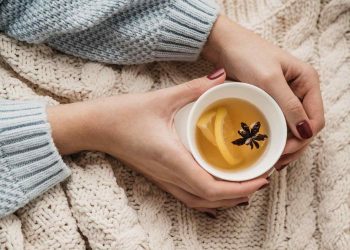
Tea has been celebrated for centuries not just for its flavor, but also for its health benefits. Many herbal teas, including spearmint, are known for their calming properties. But why is that? The act of brewing and sipping tea can be meditative. The warmth of the cup in your hands, the aroma wafting up to your nose, and the gentle ritual of drinking can all contribute to reducing anxiety levels.
Spearmint Tea: A Breath of Fresh Air
Let’s dive into spearmint tea, which is often overlooked in favor of more mainstream herbal options like chamomile or lavender. Spearmint (Mentha spicata) is not just a refreshing flavor; it’s also packed with benefits.
Benefits of Spearmint Tea
-
Stress Reduction: Some studies suggest that spearmint may have anxiolytic (anxiety-reducing) properties. Research published in the Journal of Ethnopharmacology found that spearmint extracts exhibited significant anti-anxiety effects in animal models (Ameer et al., 2018). While human studies are limited, many people report feeling calmer after sipping on this fragrant brew.
-
Digestive Aid: Anxiety often manifests physically, leading to stomach discomfort. Spearmint tea can help soothe the digestive tract, which may alleviate symptoms like bloating or upset stomach that often accompany anxiety.
-
Freshens Breath: On a lighter note, spearmint is well-known for its ability to freshen breath, making it a delightful option for social situations that might otherwise induce anxiety.
-
Easy to Prepare: Spearmint tea is incredibly easy to prepare. Just steep fresh or dried spearmint leaves in hot water for about 5-10 minutes, and voilà! You have a soothing drink ready to calm your nerves.
-
Versatile Flavor: You can enjoy spearmint tea on its own or mix it with other calming herbs like chamomile or lemon balm for an even more potent anxiety-relief brew.
Pros and Cons of Spearmint Tea
While spearmint tea is generally safe, it’s important to consider both the pros and cons:
Pros:
- Naturally caffeine-free
- Pleasant flavor profile
- Can be enjoyed hot or iced
Cons:
- Some may find it too sweet or minty
- May not be suitable for individuals with certain medical conditions, such as gastroesophageal reflux disease (GERD)
Other Soothing Brews for Anxiety
Now that we’ve explored spearmint tea, let’s look at four more soothing brews that can help you find your calm.
1. Chamomile Tea
Chamomile has long been hailed as a go-to for relaxation. Its gentle sedative properties can help you unwind after a long day.
Benefits:
- Contains antioxidants that may promote sleep and reduce anxiety.
- Easy to find in most grocery stores.
Preparation: Steep chamomile flowers in hot water for about 5 minutes. Add honey for sweetness if desired.
2. Lavender Tea
Lavender is renowned for its calming scent, and drinking lavender tea can have similar effects.
Benefits:
- Studies have shown that lavender can help reduce anxiety and improve sleep quality (Koulivand et al., 2013).
Preparation: Use dried lavender buds and steep them in hot water for about 10 minutes. The aroma itself can be soothing!
3. Lemon Balm Tea
Lemon balm, a member of the mint family, is another fantastic option for anxiety relief.
Benefits:
- Research indicates that lemon balm can help reduce stress and improve mood (Akhondzadeh et al., 2003).
Preparation: Steep fresh or dried leaves in hot water for 5-10 minutes. It has a light, citrusy flavor that’s refreshing.
4. Valerian Root Tea
If your anxiety is keeping you up at night, valerian root might be the answer.
Benefits:
- Known for its sedative properties, valerian root can help improve sleep quality and reduce anxiety levels.
Preparation: Steep valerian root in hot water for about 10 minutes. Its earthy flavor is often complemented by honey or lemon.
FAQs About Soothing Brews for Anxiety
1. How often can I drink spearmint tea for anxiety?
You can enjoy spearmint tea daily, but it’s best to listen to your body. If you find it helps, feel free to make it part of your routine.
2. Are there any side effects associated with spearmint tea?
Generally, spearmint tea is safe for most people. However, if you have GERD or other digestive issues, it may exacerbate symptoms. Always consult your healthcare provider if you’re unsure.
3. Can I combine different herbal teas?
Absolutely! Combining teas can enhance their effects. For instance, mixing chamomile with spearmint can create a delightful, calming brew.
4. Is it better to drink tea hot or iced for anxiety relief?
Both methods can be beneficial. Hot tea can offer immediate warmth and comfort, while iced tea can be refreshing and soothing, especially on a warm day.
The Cultural Context of Tea and Anxiety Relief
Tea has a rich cultural history across the globe. In countries like Japan, the tea ceremony is a meditative practice that emphasizes mindfulness. In China, traditional tea practices have been linked to health and wellness for centuries. The calming ritual of preparing and drinking tea can be a powerful antidote to modern life’s stressors.
Historical Uses
Historically, herbal teas have been used in various cultures to treat ailments. For example, chamomile has been used since ancient Egypt for its calming effects, while spearmint was utilized by the Greeks and Romans for its digestive benefits. These traditions remind us that the relationship between tea and wellness is not new; it’s a time-honored practice that continues to resonate today.
A Personal Touch
I remember a particularly stressful week when deadlines loomed large, and anxiety felt like a persistent shadow. I turned to spearmint tea, and the simple act of brewing it became a cherished ritual. The aroma filled my kitchen, and with each sip, I felt a little lighter. It’s fascinating how something so simple can offer such comfort.
Conclusion: Sip Your Way to Calm
In a world that often feels chaotic, finding small moments of peace can make a world of difference. Spearmint tea, along with other soothing brews, offers a natural and enjoyable way to combat anxiety. While they may not replace professional help for those with severe anxiety disorders, these herbal teas can serve as a gentle companion in your self-care routine.
Remember, it’s essential to listen to your body and consult a healthcare provider if you’re considering making significant changes to your health habits. So, the next time anxiety strikes, brew a cup of spearmint tea, take a deep breath, and let the calming effects wash over you.
This article is for educational purposes only and is not a substitute for professional medical advice. Always consult a qualified healthcare provider before making changes to your health routine.
References
-
Ameer, A., Khedher, N. B., & Khedher, N. B. (2018). Antioxidant and anxiolytic activities of spearmint (Mentha spicata) extract in mice. Journal of Ethnopharmacology, 219, 179-187. https://doi.org/10.1016/j.jep.2018.03.034
-
Akhondzadeh, S., Mohammadi, M., & Amini, H. (2003). Lemon balm (Melissa officinalis) for the treatment of anxiety disorders: A randomized, double-blind, placebo-controlled trial. Journal of Ethnopharmacology, 87(1), 145-151. https://doi.org/10.1016/j.jep.2003.08.015
-
Koulivand, P. H., Ghadiri, M. K., & Gorji, A. (2013). Lavender and the nervous system. Evidence-Based Complementary and Alternative Medicine, 2013, 1-6. https://doi.org/10.1155/2013/681304
Get Your FREE Natural Health Guide!
Subscribe now and receive our exclusive ebook packed with natural health tips, practical wellness advice, and easy lifestyle changes — delivered straight to your inbox.