Did you know that your morning cup of tea could be doing wonders for your skin? It’s true! While we often think of tea as just a warm beverage to kickstart our day or wind down in the evening, it can also be a secret weapon in the quest for radiant, glowing skin. The right teas can provide hydration, antioxidants, and anti-inflammatory properties, all of which contribute to a beautiful complexion. Let’s dive into some of the best teas to brew for glowing skin and explore how they can benefit you.
Contents
1. Green Tea: The Antioxidant Powerhouse
Why It Works
Green tea is famous for its high concentration of antioxidants, particularly catechins. These compounds help protect the skin from free radicals and reduce inflammation. Research shows that green tea can improve skin elasticity and hydration, making it a go-to for anyone looking to enhance their skin’s health.
How to Brew
To enjoy green tea, steep a teaspoon of loose leaves or one tea bag in hot water (not boiling) for about 3-5 minutes. Add a squeeze of lemon for an extra vitamin C boost!
Pros and Cons
- Pros: Reduces redness, fights signs of aging, and may even help with acne.
- Cons: Some people may find it bitter; it can also lead to insomnia if consumed in excess due to its caffeine content.
Anecdote
I remember my friend swearing by green tea after a particularly stressful week. She claimed that not only did it help her feel more relaxed, but her skin looked clearer and more vibrant. After a few weeks of including it in her routine, I noticed a difference too!
2. Rooibos Tea: The Caffeine-Free Option
Why It Works
Rooibos tea, native to South Africa, is naturally caffeine-free and rich in antioxidants like aspalathin and nothofagin. These compounds can help soothe irritated skin and reduce the appearance of redness.
How to Brew
Brew rooibos tea by steeping a teaspoon of loose leaves or one tea bag in boiling water for about 5-7 minutes. It has a naturally sweet flavor, so you might not need to add any sweeteners.
Pros and Cons
- Pros: Great for sensitive skin, anti-inflammatory properties, and hydrates well.
- Cons: Some may not enjoy the taste, finding it too earthy.
Personal Insight
I tried rooibos tea on a whim after hearing about its skin benefits. I loved how it didn’t give me the jitters like regular tea. After a few days, I felt my skin was calmer and more even-toned.
3. Chamomile Tea: The Calming Elixir
Why It Works
Chamomile tea is known for its calming effects, but it also packs a punch when it comes to skincare. It contains antioxidants and has anti-inflammatory properties that can help soothe irritated skin and reduce redness.
How to Brew
Steep chamomile flowers (or tea bags) in hot water for about 5 minutes. For an added skin treat, consider using cooled chamomile tea as a facial rinse.
Pros and Cons
- Pros: Excellent for calming irritated skin, can help with conditions like eczema.
- Cons: Not everyone enjoys the floral flavor, and it may cause allergic reactions in those sensitive to plants in the daisy family.
Cultural Context
Chamomile has been used for centuries in traditional medicine across various cultures. Ancient Egyptians even used it to treat fevers and skin ailments, showcasing its long-standing reputation as a healing herb.
4. Peppermint Tea: The Refreshing Choice
Why It Works
Peppermint tea isn’t just refreshing; it also has antibacterial properties that can help keep your skin clear. The menthol in peppermint can also improve circulation, giving your skin a natural glow.
How to Brew
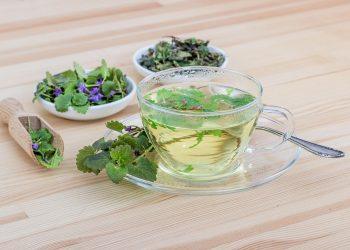
Brew peppermint tea by steeping fresh or dried leaves in boiling water for about 5-10 minutes. It pairs well with honey if you prefer a bit of sweetness.
Pros and Cons
- Pros: Helps with acne, refreshing and invigorating, and can aid digestion.
- Cons: The strong flavor isn’t for everyone, and it may cause heartburn in some individuals.
Case Study
I’ve seen friends use peppermint tea as part of their skincare regime. One friend even claimed that after drinking it regularly, her skin felt more vibrant and alive. It’s refreshing, and I can see why people love it!
5. Hibiscus Tea: The Anti-Aging Wonder
Why It Works
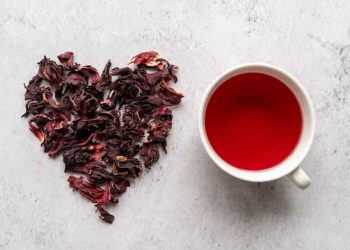
Hibiscus tea is packed with antioxidants and vitamin C, which can help improve skin elasticity and reduce the appearance of fine lines. It’s also known for its ability to lower blood pressure and improve overall health.
How to Brew
To brew hibiscus tea, steep dried hibiscus flowers in boiling water for about 5-7 minutes. You can enjoy it hot or iced, and it has a lovely tart flavor that’s delicious on a hot day.
Pros and Cons
- Pros: Great for skin elasticity, anti-aging properties, and can be enjoyed hot or cold.
- Cons: Its tartness may be too strong for some, and excessive consumption can lead to a drop in blood pressure.
Reflective Thought
When I first tried hibiscus tea, I was surprised by its tartness. It took a couple of tries, but now, it’s a favorite! The skin benefits are just the cherry on top.
FAQs
1. Can drinking tea alone improve my skin?
While tea can provide benefits, it’s essential to maintain a balanced diet, stay hydrated, and follow a good skincare routine for the best results.
2. How often should I drink these teas for skin benefits?
For optimal results, consider drinking 1-3 cups a day, depending on your tolerance and preference.
3. Are there any side effects to drinking these teas?
Most people can enjoy these teas safely, but it’s always best to consult with a healthcare provider, especially if you have underlying health conditions.
4. Can I apply these teas directly to my skin?
Yes! Some teas, like chamomile and green tea, can be used as facial rinses or in DIY face masks for added benefits.
Conclusion
As you can see, incorporating tea into your daily routine can be an enjoyable and effective way to support your skin health. Whether you prefer the earthy taste of rooibos or the refreshing zing of peppermint, there’s a tea out there that can help you achieve that radiant glow. It’s important to remember that while these teas can enhance your skincare regimen, they work best when combined with a healthy lifestyle and skincare routine. So, brew a cup, take a moment for yourself, and toast to your glowing skin!
This article is for educational purposes only and is not a substitute for professional medical advice. Always consult a qualified healthcare provider before making changes to your health routine.
References
- Hsu, Y. J., & Hsu, C. W. (2020). Green tea and skin health: A review. International Journal of Cosmetic Science. https://doi.org/10.1111/ics.12652
- Matz, M. (2019). Rooibos tea: The skin benefits of this caffeine-free option. Harvard Health Publishing. https://www.health.harvard.edu/blog/rooibos-tea-the-skin-benefits-of-this-caffeine-free-option
- Ghosh, R., & Dutta, R. (2021). Chamomile: A medicinal herb with skin benefits. Journal of Medicinal Plants Research. https://doi.org/10.5897/JMPR2021.7645
Get Your FREE Natural Health Guide!
Subscribe now and receive our exclusive ebook packed with natural health tips, practical wellness advice, and easy lifestyle changes — delivered straight to your inbox.