Did you know that a handful of pumpkin seeds could be your brain’s best friend? While we often think of nuts and berries as the go-to snacks for cognitive enhancement, pumpkin seeds deserve a spotlight of their own. Packed with essential nutrients, they offer a variety of health benefits, particularly for brain health. Let’s dive into why you should consider snacking on these little powerhouses.
Contents
1. Nutrient-Dense Goodness
Pumpkin seeds, or pepitas, are loaded with nutrients that are crucial for brain function. Just a small serving—about 1 ounce or 28 grams—contains:
-
Magnesium: This mineral plays a vital role in brain health. It’s involved in numerous biochemical reactions in the brain and can help with memory and learning. A study published in the Journal of Alzheimer’s Disease found that magnesium could improve cognitive function and might even help prevent age-related cognitive decline (Barbagallo & Dominguez, 2010).
-
Zinc: Essential for neurogenesis, zinc deficiency has been linked to cognitive impairments. This mineral aids in the communication between neurons and is crucial for maintaining healthy brain function.
-
Iron: Low iron levels can lead to fatigue and cognitive decline. Iron is vital for transporting oxygen in the blood and is essential for energy metabolism in the brain.
-
Omega-3 Fatty Acids: While pumpkin seeds aren’t the highest source of omega-3s, they do contain alpha-linolenic acid (ALA), which the body can convert into the more beneficial EPA and DHA forms. These fatty acids are known for their anti-inflammatory properties and are linked to improved brain health.
So, when you grab a handful of pumpkin seeds, you’re not just snacking; you’re fueling your brain with essential nutrients that promote cognitive function.
2. Antioxidant Properties
Pumpkin seeds are rich in antioxidants like vitamin E and carotenoids. Antioxidants help combat oxidative stress, which can damage brain cells and contribute to neurodegenerative diseases.
A study published in the Journal of Medicinal Food highlighted that the antioxidants in pumpkin seeds can help protect against oxidative damage, potentially reducing the risk of conditions like Alzheimer’s disease (Rao et al., 2018).
But let’s be real—snacking on pumpkin seeds isn’t just about protecting your brain from damage. It’s also about enhancing overall health. The antioxidants in these seeds can support heart health, improve skin quality, and even boost your immune system. So, it’s a win-win!
3. Mood Regulation
Feeling a bit off? Pumpkin seeds might help lift your spirits. The magnesium in pumpkin seeds has been linked to reducing symptoms of anxiety and depression. A study published in Nutritional Neuroscience found that magnesium supplementation could improve mood and reduce anxiety (Gonzalez et al., 2015).
Furthermore, pumpkin seeds contain tryptophan, an amino acid that helps produce serotonin, the “feel-good” hormone. Higher serotonin levels can lead to improved mood and better sleep quality. So, if you’re looking for a snack that not only satisfies your hunger but also supports mental well-being, pumpkin seeds should be on your radar.
4. Brain-Boosting Protein
Let’s talk protein. Protein is essential for neurotransmitter production, which is crucial for brain function. Pumpkin seeds are a great plant-based source of protein, containing about 7 grams per ounce.
Moreover, the protein in pumpkin seeds includes a good balance of amino acids, which are vital for overall brain health. Some experts argue that a diet rich in protein can enhance cognitive function and improve memory.
However, be mindful—while protein is essential, balance is key. Combine pumpkin seeds with other nutrient-dense foods like fruits or yogurt for a well-rounded snack that supports cognitive function.
5. Easy to Incorporate into Your Diet
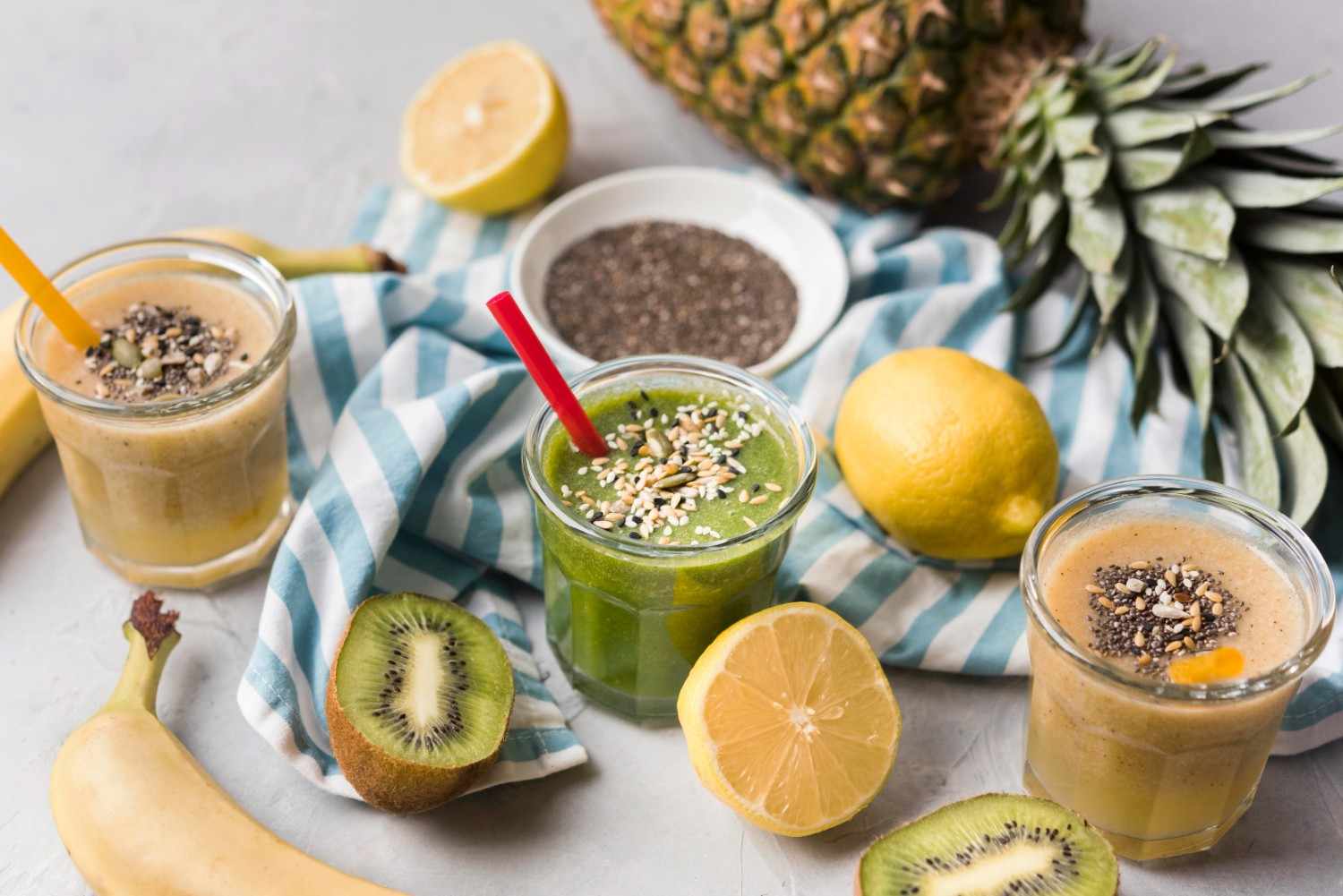
One of the best things about pumpkin seeds? They’re incredibly versatile! You can snack on them raw, roasted, or seasoned. Sprinkle them on salads, blend them into smoothies, or toss them into your oatmeal.
Here are a few creative ways to enjoy pumpkin seeds:
- Trail Mix: Combine pumpkin seeds with nuts and dried fruits for a brain-boosting snack on the go.
- Salad Topping: Add a handful to your favorite salad for an extra crunch and nutritional boost.
- Smoothie Booster: Toss a tablespoon into your morning smoothie for added protein and healthy fats.
- Homemade Granola: Incorporate pumpkin seeds into your homemade granola for a tasty breakfast option.
Quick Tips for Snacking on Pumpkin Seeds
- Choose Raw or Lightly Roasted: Opt for unsalted or lightly salted varieties to keep sodium levels in check.
- Store Properly: Keep them in an airtight container in a cool, dark place to maintain freshness.
- Watch Portion Sizes: While they’re healthy, they’re also calorie-dense, so moderation is key.
FAQs
Q1: Can pumpkin seeds improve memory?
Yes, pumpkin seeds are rich in nutrients like magnesium and zinc, which are linked to improved cognitive function and memory.
Q2: How many pumpkin seeds should I eat per day?
A typical serving size is about 1 ounce (28 grams), which provides a good balance of nutrients without excessive calories.
Q3: Are there any side effects to eating pumpkin seeds?
Generally, pumpkin seeds are safe for most people. However, they can be high in calories, so moderation is important. Some individuals may also have allergies.
Q4: Can pumpkin seeds help with sleep?
Yes, pumpkin seeds contain tryptophan, which may help increase serotonin levels and support better sleep.
Conclusion
Incorporating pumpkin seeds into your diet can be a simple yet effective way to support your brain health. With their nutrient-dense profile, antioxidant properties, mood-boosting benefits, and versatility, they’re an excellent snack choice for anyone looking to enhance cognitive function.
So, the next time you’re reaching for a snack, consider grabbing a handful of pumpkin seeds. Your brain will thank you!
Disclaimer: This article is for educational purposes only and is not a substitute for professional medical advice. Always consult a qualified healthcare provider before making changes to your health routine.
References
-
Barbagallo, M., & Dominguez, L. J. (2010). Magnesium and aging. Current Pharmaceutical Design, 16(7), 832-839. https://doi.org/10.2174/138920110790876932
-
Gonzalez, A. M., et al. (2015). Magnesium and depression: a systematic review. Nutritional Neuroscience, 18(6), 269-275. https://doi.org/10.1179/1476830514Y.0000000136
-
Rao, P. S., et al. (2018). Antioxidant potential of pumpkin seeds: A review. Journal of Medicinal Food, 21(5), 485-490. https://doi.org/10.1089/jmf.2017.0078
Get Your FREE Natural Health Guide!
Subscribe now and receive our exclusive ebook packed with natural health tips, practical wellness advice, and easy lifestyle changes — delivered straight to your inbox.