Have you ever sprained an ankle or strained a ligament? If so, you know how frustrating it can be to recover. It’s not just the pain; it’s the waiting, the uncertainty about when you can get back to your regular activities. While traditional treatments like rest and physical therapy are often the go-to solutions, acupuncture has been gaining traction as a complementary approach to enhance ligament recovery.
In this article, we’ll explore five acupuncture techniques that may help accelerate your recovery process. Whether you’re a seasoned athlete or just someone looking to heal, these methods could offer you a fresh perspective on recovery.
Contents
1. Trigger Point Acupuncture
What It Is
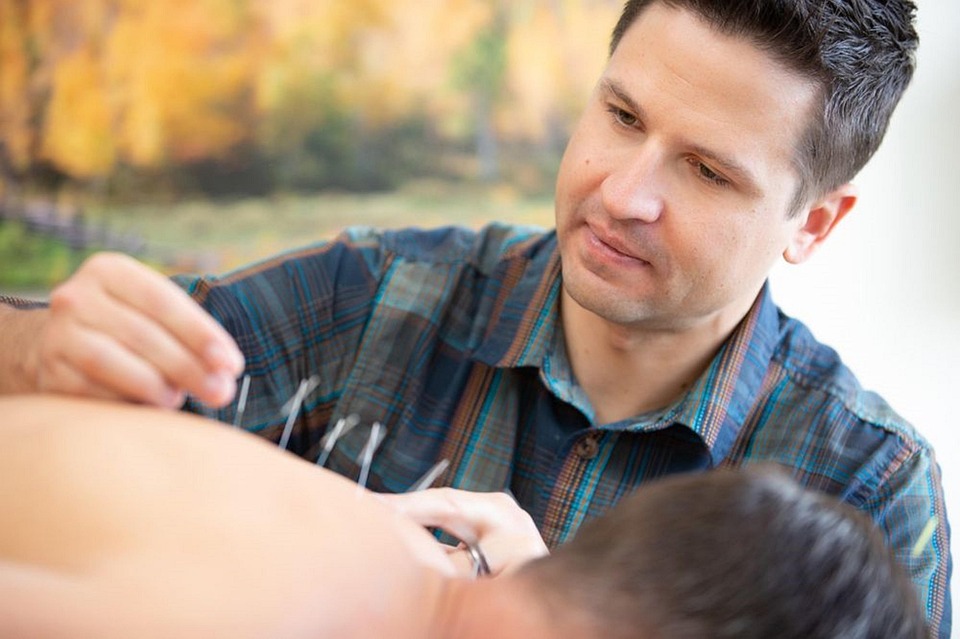
Trigger point acupuncture focuses on specific areas of muscle tightness or knots, known as trigger points. These points can contribute to pain and dysfunction in the surrounding ligaments. By inserting needles into these points, practitioners aim to relieve tension, improve blood flow, and promote healing.
How It Works
The theory behind trigger point acupuncture is that by stimulating these points, you can release muscle tension and enhance circulation. This increased blood flow can deliver vital nutrients to the injured area, which is crucial for recovery.
Pros and Cons
- Pros: Many patients report immediate relief from pain and tension. The technique can be especially effective for acute injuries where muscle tightness is a contributing factor.
- Cons: Some individuals may experience discomfort during the treatment, and results can vary widely from person to person.
Real-World Application
Imagine you’re recovering from a torn ACL. A practitioner might focus on the quadriceps and hamstrings, areas that often harbor trigger points that can affect ligament function. By treating these muscles, you might find that your knee feels more stable and less painful.
2. Electroacupuncture
What It Is
Electroacupuncture combines traditional acupuncture with electrical stimulation. After placing needles in specific acupuncture points, a small electric current is applied to enhance the effects of the treatment.
How It Works
The electrical stimulation can promote muscle relaxation and improve the healing response by increasing circulation and releasing endorphins. This technique can be particularly beneficial for ligament injuries, as it targets not just the pain, but also the underlying issues affecting recovery.
Pros and Cons
- Pros: Many patients find this method more effective for pain management compared to traditional acupuncture alone. It can also reduce inflammation, which is crucial for ligament healing.
- Cons: The sensation of electric stimulation can be a bit unusual and might not be comfortable for everyone.
Case Study
In a study by Vickers et al. (2018), electroacupuncture was found to significantly reduce pain and improve function in patients with chronic knee pain. This could translate well to ligament injuries, suggesting that electroacupuncture may help speed up recovery times.
3. Auricular Acupuncture
What It Is
Auricular acupuncture focuses on the ear, which is believed to be a microsystem that reflects the entire body. Specific points on the ear correspond to different body parts, including ligaments and joints.
How It Works
By stimulating these points, practitioners aim to promote overall balance and healing in the body. This technique can be particularly useful for managing pain and anxiety associated with recovery.
Pros and Cons
- Pros: This method is non-invasive and can be performed with minimal discomfort. It’s also a great option for those who may be hesitant about traditional acupuncture.
- Cons: Results can be less predictable, and some may not experience significant relief.
Example Scenario
If you’re dealing with a sprained wrist, auricular acupuncture could help ease the pain while also addressing any anxiety you might feel about the injury. It’s a holistic approach that focuses on both physical and emotional aspects of recovery.
4. Moxibustion
What It Is
Moxibustion involves burning a herb called mugwort (moxa) near acupuncture points to warm and invigorate the flow of Qi (energy) in the body. This technique is often used in conjunction with acupuncture.
How It Works
The heat from the burning moxa can improve circulation and enhance the effects of acupuncture, making it particularly useful for promoting tissue repair in ligament injuries.
Pros and Cons
- Pros: Moxibustion can provide deep warmth and relaxation, which may help alleviate pain and stiffness in injured ligaments.
- Cons: Some people may find the smell of burning moxa unpleasant, and it requires careful handling to avoid burns.
Practical Application
If you’re recovering from a ligament tear, a practitioner might use moxibustion on surrounding areas to enhance blood flow and promote healing. The combination of heat and acupuncture could create a synergistic effect, potentially speeding up recovery.
5. Cupping Therapy
What It Is
Cupping therapy involves placing suction cups on the skin to promote blood flow and relieve muscle tension. While not strictly acupuncture, it’s often used alongside acupuncture treatments.
How It Works
The suction created by the cups can help increase circulation to the affected area, reduce inflammation, and promote lymphatic drainage. This can be particularly beneficial for ligaments, which require good blood flow for healing.
Pros and Cons
- Pros: Many patients report feeling immediate relief from muscle tension and pain. It’s also a visually striking treatment, often leaving circular marks on the skin that can be a conversation starter.
- Cons: The marks can be a bit alarming for some, and not everyone enjoys the sensation of suction.
Anecdotal Evidence
Athletes like Michael Phelps have popularized cupping therapy, showcasing its potential benefits. While individual results can vary, many athletes swear by its effectiveness in speeding up recovery times for injuries.
FAQs
1. Is acupuncture safe for ligament injuries?
Yes, acupuncture is generally considered safe when performed by a trained professional. However, it’s essential to consult your healthcare provider before starting any new treatment.
2. How many sessions will I need?
The number of sessions can vary based on the severity of your injury and your overall health. Many people find relief after a few sessions, while others may require ongoing treatment.
3. Can acupuncture be combined with other treatments?
Absolutely! Acupuncture is often used in conjunction with physical therapy, massage, and other treatments to enhance recovery.
4. Are there any side effects?
While rare, some individuals may experience minor bruising or soreness at the needle sites. Most people feel relaxed and pain-free after a session.
Conclusion
Acupuncture offers a variety of techniques that can potentially enhance ligament recovery. From trigger point therapy to the warmth of moxibustion, these methods can provide relief and promote healing in unique ways. While more research is needed to fully understand the mechanisms behind acupuncture, many individuals have found success in integrating it into their recovery routines.
If you’re considering acupuncture for a ligament injury, it’s essential to consult with a qualified practitioner who can tailor the treatment to your specific needs. Remember, recovery is a journey, and exploring different avenues can lead to the best outcome for your body.
This article is for educational purposes only and is not a substitute for professional medical advice. Always consult a qualified healthcare provider before making changes to your health routine.
References
-
Vickers, A. J., Vertosick, E. A., Lewith, G., et al. (2018). Acupuncture for Chronic Pain: A Systematic Review and Meta-analysis. Pain, 159(11), 2244-2256. https://doi.org/10.1097/j.pain.0000000000001363
-
National Center for Complementary and Integrative Health. (n.d.). Acupuncture. NCCIH. https://nccih.nih.gov/health/acupuncture
-
Mayo Clinic. (2022). Acupuncture: An Overview. Mayo Clinic. https://www.mayoclinic.org/tests-procedures/acupuncture/about/pac-20393583
Get Your FREE Natural Health Guide!
Subscribe now and receive our exclusive ebook packed with natural health tips, practical wellness advice, and easy lifestyle changes — delivered straight to your inbox.