Contents
5 Natural Remedies Featuring Coriander Seeds for Muscle Relief
Ever felt that sudden, sharp twinge in your leg after a tough workout? Yeah, muscle cramps can be a real bummer. But what if I told you that a common spice in your kitchen could help ease that discomfort? Enter coriander seeds. Often overlooked, these seeds not only add flavor to your dishes but also boast some impressive health benefits, particularly for muscle relief. Let’s dive into five natural remedies featuring coriander seeds that can help you tackle those pesky muscle cramps.

What Are Coriander Seeds?
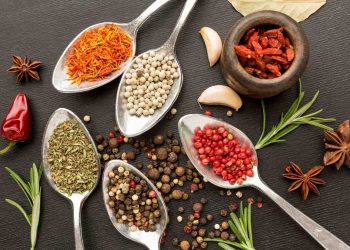
Before we jump into the remedies, let’s take a quick peek at what coriander seeds are. Coriander, or Coriandrum sativum, is a herb that’s been used for centuries in various cuisines and traditional medicine. The seeds, which come from the plant’s flowers, are packed with essential oils, vitamins, and minerals. They’re known for their anti-inflammatory and antioxidant properties, making them a go-to ingredient for natural remedies.
1. Coriander Seed Tea
How It Works:
Brewing a tea from coriander seeds is one of the simplest ways to harness their benefits. The seeds contain compounds that can help relax muscles and reduce inflammation.
How to Make It:
-
Ingredients:
- 1-2 teaspoons of coriander seeds
- 1 cup of water
- Optional: honey or lemon for taste
-
Instructions:
- Boil the water in a saucepan.
- Add the coriander seeds and let them steep for about 10-15 minutes.
- Strain the tea and add honey or lemon if desired.
Pros: It’s easy to make and can be consumed daily. Plus, it’s a soothing way to hydrate.
Cons: Some may find the taste a bit earthy or strong.
Personal Note: I’ve found that sipping on this tea after a workout not only helps with muscle relaxation but is also quite refreshing.
2. Coriander Seed Oil Massage
How It Works:
Coriander seed oil can be used for a therapeutic massage to relieve muscle tension. The anti-inflammatory properties in the oil can help reduce soreness and stiffness.
How to Use:
-
Ingredients:
- 2-3 drops of coriander seed essential oil
- A carrier oil (like coconut or olive oil)
-
Instructions:
- Mix the coriander seed oil with the carrier oil.
- Gently massage the mixture into the affected muscles.
Pros: Massaging with oil can increase blood flow, also enhancing the relaxation effects of the coriander.
Cons: Essential oils can irritate sensitive skin, so always do a patch test first.
Caveat: I once used this blend after an intense leg day, and the relief was almost immediate. Just be careful not to overdo it!
3. Coriander Seed Infused Water
How It Works:
Infusing water with coriander seeds not only makes for a refreshing drink but can also help with muscle cramps thanks to the seeds’ hydration and nutrient content.
How to Prepare:
-
Ingredients:
- 1 tablespoon of coriander seeds
- 1 liter of water
-
Instructions:
- Add coriander seeds to the water and let it sit overnight.
- Strain the seeds the next day and drink throughout the day.
Pros: This method keeps you hydrated while providing the benefits of coriander seeds.
Cons: It requires preparation the night before, which might not be convenient for everyone.
Personal Experience: On days when I’m particularly active, I find that having this infused water on hand keeps my muscles feeling good and my hydration levels up.
4. Coriander Seed Paste
How It Works:
Creating a paste from coriander seeds can be effective for topical application. The paste can be applied directly to sore muscles for localized relief.
How to Make It:
-
Ingredients:
- 2 tablespoons of coriander seeds
- Water (as needed)
-
Instructions:
- Grind the coriander seeds into a fine powder.
- Add water gradually until you form a paste.
- Apply the paste to the affected area and leave it on for 30 minutes before rinsing off.
Pros: This method allows for concentrated application directly where you need it.
Cons: It can be a bit messy, and some might find the texture unappealing.
Cultural Insight: Many cultures use pastes like this in traditional remedies. It’s fascinating how global practices converge in the use of natural ingredients for healing.
5. Coriander Seed Soak
How It Works:
Soaking your feet or affected muscles in water infused with coriander seeds can provide a soothing effect. The warmth can relax tight muscles while the seeds offer their benefits.
How to Prepare:
-
Ingredients:
- 1 cup of coriander seeds
- Warm water (enough to fill a basin)
-
Instructions:
- Boil the coriander seeds in water for about 10 minutes.
- Strain the seeds and pour the infused water into a basin.
- Soak your feet or the affected area for 15-20 minutes.
Pros: It’s a relaxing self-care routine that can help alleviate tension.
Cons: Requires a bit of time and may not be practical if you’re in a hurry.
Reflection: This soak reminds me of spa days where you can just unwind. It’s a nice way to treat yourself after a long day.
FAQs
Q1: Are coriander seeds safe to use?
A1: Yes, coriander seeds are generally safe for most people. However, if you have allergies to other herbs or spices, consult a healthcare provider before use.
Q2: Can coriander seeds interact with medications?
A2: Coriander seeds may interact with certain medications, particularly blood thinners. Always check with your doctor if you’re on medication.
Q3: How often can I use these remedies?
A3: You can use these remedies daily, but it’s best to listen to your body. If you experience any adverse reactions, discontinue use.
Q4: Are there any side effects?
A4: Generally, coriander seeds are well-tolerated, but some people may experience digestive discomfort. If this happens, consider reducing the amount you use.
Conclusion
Coriander seeds are more than just a flavor enhancer; they’re a natural ally in the battle against muscle cramps and discomfort. Whether you prefer a soothing tea, a relaxing massage, or a refreshing soak, these remedies offer a variety of ways to incorporate coriander seeds into your muscle relief routine.
While research on coriander seeds is ongoing, preliminary findings suggest that their anti-inflammatory properties may be beneficial for muscle recovery. As always, listen to your body and consult with a healthcare provider before making significant changes to your health regimen.
This article is for educational purposes only and is not a substitute for professional medical advice. Always consult a qualified healthcare provider before making changes to your health routine.
References
-
Khare, C. P. (2004). Indian Medicinal Plants: An Illustrated Dictionary. Springer. Link
-
Bansal, V., & Soni, V. (2020). Coriander: A Review on Its Medicinal Properties. International Journal of Herbal Medicine, 8(1), 1-6. Link
-
Mayo Clinic. (2022). Muscle cramps: Causes and treatment. Link
Get Your FREE Natural Health Guide!
Subscribe now and receive our exclusive ebook packed with natural health tips, practical wellness advice, and easy lifestyle changes — delivered straight to your inbox.