Did you know that celery, that often-overlooked crunchy vegetable, can actually play a role in strengthening your bones? It’s not just a garnish for your Bloody Mary or a vehicle for peanut butter! While many of us might toss celery into salads or munch on it with dip, there’s a lot more to this green stalk than meets the eye. Let’s explore five delicious ways celery can boost your bone strength naturally.
Contents
1. Rich in Vitamin K
Why It Matters
Vitamin K is crucial for bone health. It helps in the regulation of calcium in the bones and blood, promoting bone mineralization. A deficiency can lead to weak bones and even fractures.
How Celery Helps
Celery is a surprising source of Vitamin K. Just one cup of raw celery provides about 30% of your daily recommended intake. This makes it an excellent addition to your diet if you’re looking to strengthen your bones.
Delicious Ways to Include It
- Celery Juice: Blend celery with some apples and a squeeze of lemon for a refreshing drink.
- Celery and Hummus: Dip celery sticks in hummus for a protein-packed snack that’s also rich in fiber.
Caveat
While celery is a great source of Vitamin K, it’s essential to balance it with other foods rich in this vitamin, like leafy greens. If you’re on blood-thinning medications, consult your doctor about your Vitamin K intake.
2. High Water Content
Why It Matters
Staying hydrated is fundamental for overall health, including bone health. Bones need adequate hydration to maintain their structure and function effectively.
How Celery Helps
With a water content of about 95%, celery is one of the most hydrating vegetables you can eat. Proper hydration helps in the transport of nutrients to the bones and the removal of toxins.
Delicious Ways to Include It
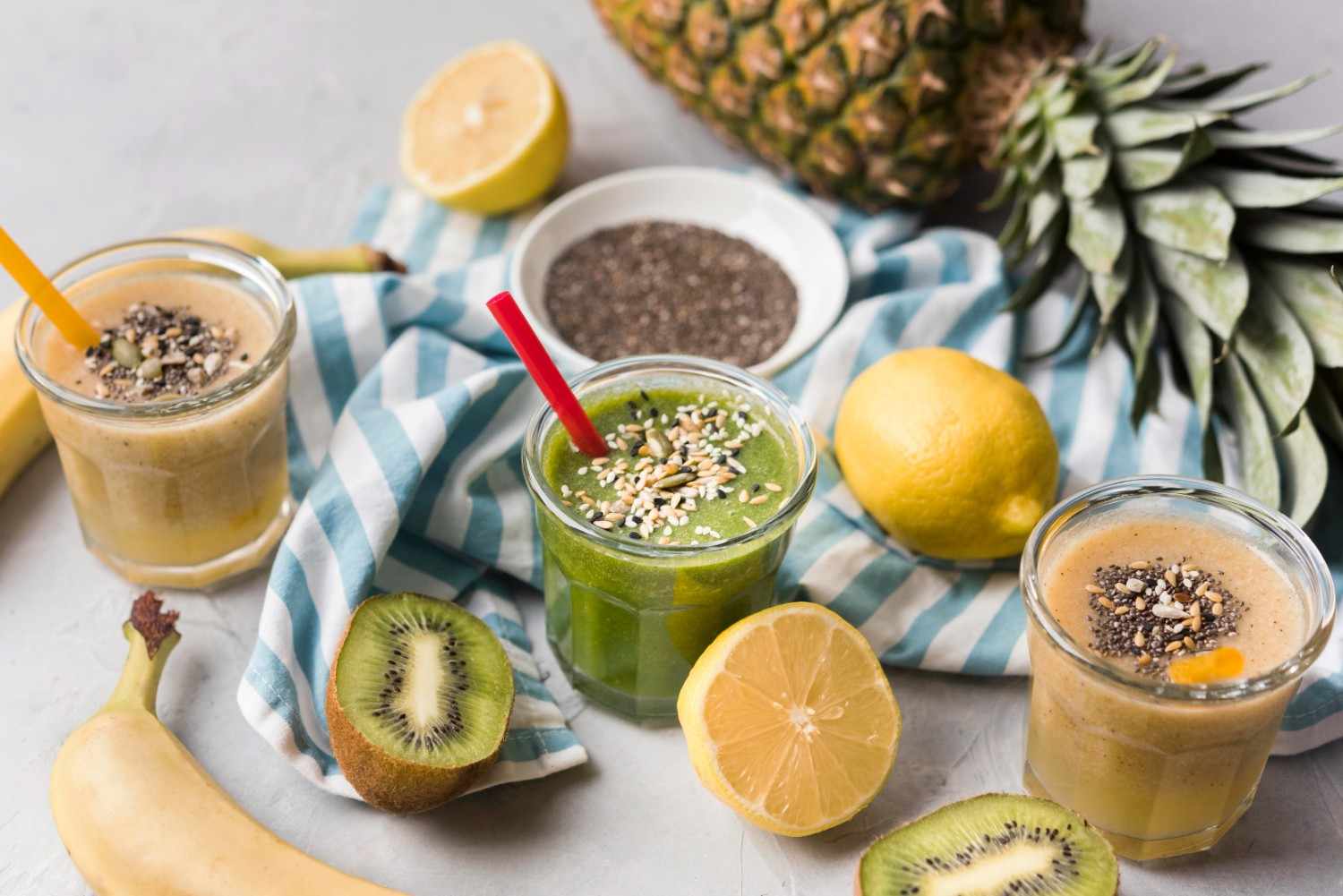
- Celery Smoothies: Toss some celery into your morning smoothie for an extra hydration boost.
- Soups and Stews: Add chopped celery to your favorite soups for both hydration and flavor.
Pros and Cons
While the high water content in celery is beneficial, it’s important to remember that it shouldn’t replace other hydration sources. Water and other fluids are still necessary for optimal hydration.
3. Contains Antioxidants
Why It Matters
Antioxidants play a vital role in protecting the body from oxidative stress, which can lead to bone loss and other health issues.
How Celery Helps
Celery contains a variety of antioxidants, including flavonoids and vitamin C. These compounds help combat inflammation and oxidative damage, contributing to better bone density.
Delicious Ways to Include It
- Celery Salad: Mix chopped celery with oranges, walnuts, and a light vinaigrette for a refreshing salad.
- Stuffed Celery: Fill celery sticks with cream cheese and herbs for a tasty snack that’s also loaded with antioxidants.
Caveat
While antioxidants are beneficial, it’s essential to consume a variety of fruits and vegetables to get a broad spectrum of these compounds. Relying solely on celery might not provide all the antioxidants your body needs.
4. Rich in Minerals
Why It Matters
Minerals like calcium, magnesium, and potassium are essential for maintaining bone density. They help in bone formation and the prevention of bone-related diseases such as osteoporosis.
How Celery Helps
Celery is a good source of minerals that support bone health. For instance, it contains calcium and magnesium, which are fundamental for bone structure.
Delicious Ways to Include It
- Celery and Cheese Platter: Pair celery sticks with cheese for a snack that’s both delicious and mineral-rich.
- Celery Stir-Fry: Add celery to stir-fried dishes with other mineral-rich vegetables like broccoli or bok choy.
Pros and Cons
While celery contributes to your mineral intake, it’s important to consume a variety of food sources. Don’t rely solely on celery for your mineral needs; consider dairy, nuts, and leafy greens as well.
5. Dietary Fiber
Why It Matters
Fiber plays a significant role in digestive health, but did you know it can also indirectly affect bone health? A healthy gut can improve nutrient absorption, including those vital for bone strength.
How Celery Helps
Celery is a great source of dietary fiber, which promotes good digestive health. A healthy gut can help in the absorption of calcium and other minerals essential for bone health.
Delicious Ways to Include It
- Celery Soup: Blend cooked celery, onions, and spices for a creamy, fiber-rich soup.
- Celery and Trail Mix: Pair celery sticks with a mix of nuts and dried fruits for a crunchy and fiber-rich snack.
Caveat
While fiber is essential, increasing your intake too quickly can lead to digestive discomfort. It’s best to increase fiber gradually and drink plenty of water.
FAQs
1. Can I eat celery every day for bone health?
Absolutely! Incorporating celery into your daily diet can be beneficial, but remember to balance it with other nutrient-rich foods for optimal bone health.
2. What are the best ways to eat celery?
Celery can be enjoyed raw, juiced, cooked in soups, or even stuffed with healthy spreads. Experiment with different recipes to find what you love!
3. Is celery enough for strong bones?
While celery is a great addition to your diet, it should be combined with other foods rich in calcium, magnesium, and Vitamin D for comprehensive bone health.
4. Can celery replace my calcium supplements?
While celery contains calcium, it’s not enough to replace supplements if you have specific deficiencies. Always consult with a healthcare provider for personalized advice.
Conclusion
Celery might not be the first food that comes to mind when you think of bone health, but it’s a surprisingly powerful ally. With its rich content of Vitamin K, hydrating properties, antioxidants, minerals, and fiber, celery can play a significant role in maintaining and boosting your bone strength.
So next time you reach for a snack, consider grabbing a stalk of celery. It’s not just good for crunching; it’s a delicious way to support your bones naturally. Remember, though, that variety is key in any diet. Pair celery with other nutrient-rich foods, and you’ll be on your way to healthier bones!
This article is for educational purposes only and is not a substitute for professional medical advice. Always consult a qualified healthcare provider before making changes to your health routine.
References
-
Knapen, M. H. J., et al. (2017). Vitamin K2 supplementation improves bone strength in postmenopausal women. Journal of Bone and Mineral Research. Retrieved from https://www.ncbi.nlm.nih.gov/pmc/articles/PMC5980569/
-
Hu, F. B., & Willett, W. C. (2018). Optimal diets for prevention of coronary heart disease. Journal of the American College of Cardiology. Retrieved from https://www.jacc.org/doi/10.1016/j.jacc.2018.11.001
-
Cleveland Clinic. (2021). The importance of hydration for bone health. Retrieved from https://health.clevelandclinic.org/hydration-bone-health/
Get Your FREE Natural Health Guide!
Subscribe now and receive our exclusive ebook packed with natural health tips, practical wellness advice, and easy lifestyle changes — delivered straight to your inbox.