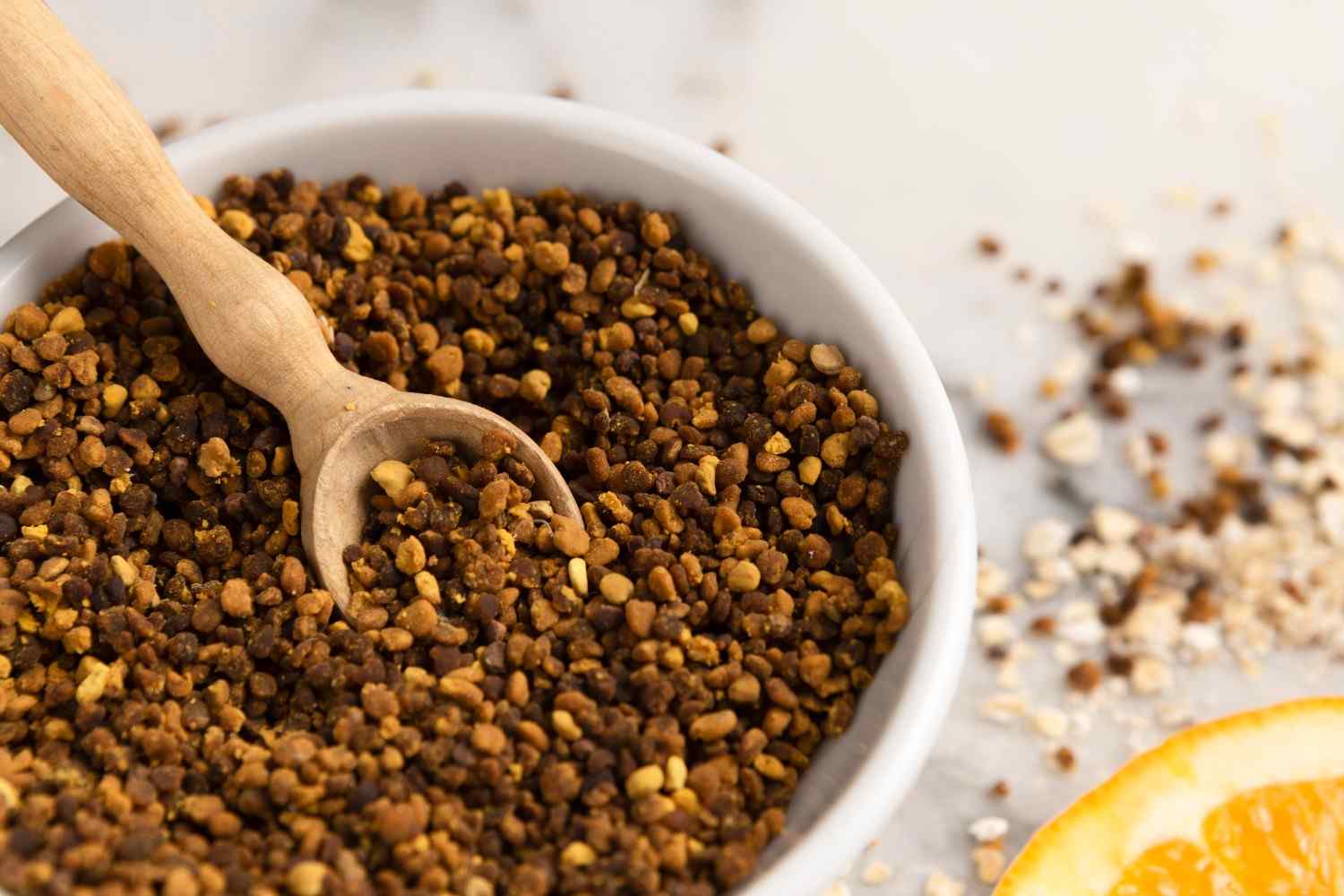

Have you ever walked through an international market and been drawn to a spice that you couldn’t quite place? That was me, staring at a small jar labeled “fenugreek seeds.” I had heard whispers about their benefits, but I never really understood just how powerful these little seeds could be—especially for gut health. Turns out, fenugreek seeds are not just for flavoring curries; they have a treasure trove of benefits for our digestive systems. Let’s dive into five surprising ways fenugreek seeds can enhance gut wellness.

Contents
1. Natural Digestive Aid
Fenugreek seeds have been traditionally used to alleviate digestive issues. They are rich in soluble fiber, which can help regulate bowel movements and ease constipation. You might be wondering how fiber does this. When ingested, soluble fiber absorbs water and forms a gel-like substance in the gut. This can help soften stool and make it easier to pass.
The Science Behind It
A study published in the Journal of Diabetes & Metabolic Disorders found that fenugreek seeds can improve overall digestive health by promoting the growth of beneficial gut bacteria (Mansoor et al., 2015). More good bacteria means better digestion, which is something we all want, right?
Pros & Cons
Pros:
- Natural remedy with minimal side effects.
- Can be easily incorporated into your diet (think teas, powders, or sprinkled on salads).
Cons:
- Overconsumption may lead to gastrointestinal discomfort, such as bloating or gas. Moderation is key!
2. Anti-Inflammatory Properties
Did you know that inflammation in the gut can lead to serious health issues, including irritable bowel syndrome (IBS) and inflammatory bowel disease (IBD)? Fenugreek seeds contain compounds like flavonoids and saponins that are known for their anti-inflammatory effects.
Real-World Application
Incorporating fenugreek seeds into your diet may help reduce gut inflammation over time. For instance, a study in Phytotherapy Research indicated that fenugreek could help alleviate symptoms in patients with colitis, a form of gut inflammation (Saha et al., 2016).
Pros & Cons
Pros:
- Reduces inflammation naturally.
- Can be beneficial for those suffering from chronic gut conditions.
Cons:
- While beneficial, it’s not a standalone treatment for serious conditions. Always consult with a healthcare provider.
3. Blood Sugar Regulation
You might not immediately think of blood sugar when considering gut health, but they’re more connected than you’d think. Fenugreek seeds have been shown to help regulate blood sugar levels, which can indirectly benefit gut health.
The Link to Gut Health
When blood sugar spikes, it can lead to a cascade of issues, including increased hunger and cravings for unhealthy foods, which can negatively affect gut flora. A study in the Journal of Medicinal Food found that fenugreek seeds can improve insulin sensitivity and lower blood sugar levels (Khan et al., 2009).
Pros & Cons
Pros:
- Can be particularly helpful for individuals with diabetes or prediabetes.
- A natural alternative to pharmaceutical blood sugar regulators.
Cons:
- May interact with certain medications, so it’s essential to consult a doctor before adding fenugreek to your regimen.
4. Rich in Antioxidants
Antioxidants are crucial for maintaining overall health, including gut health. Fenugreek seeds are packed with antioxidants that help combat oxidative stress in the body.
Why It Matters
Oxidative stress can harm gut cells, leading to various digestive issues. A study published in Food Chemistry highlighted the antioxidant properties of fenugreek seeds, suggesting that they can help protect gut cells from damage (Mansoor et al., 2017).
Pros & Cons
Pros:
- Supports overall gut health.
- May enhance the immune response.
Cons:
- Antioxidants are beneficial, but they should be part of a balanced diet rich in various nutrients.
5. Enhancing Nutrient Absorption
Last but certainly not least, fenugreek seeds can help improve the absorption of nutrients in the gut. This is vital for overall health since the body needs a variety of vitamins and minerals to function optimally.
The Nutrient Connection
The soluble fiber in fenugreek helps slow down digestion, allowing more time for nutrients to be absorbed. A study in the International Journal of Food Sciences and Nutrition found that fenugreek can enhance the bioavailability of certain nutrients (Ranjan et al., 2016).
Pros & Cons
Pros:
- Better nutrient absorption means better overall health.
- Can be particularly beneficial for those with malabsorption issues.
Cons:
- Over-reliance on one food can lead to nutrient imbalances. Balance is essential!
FAQs
1. How can I incorporate fenugreek seeds into my diet?
You can add fenugreek seeds to smoothies, sprinkle them on salads, or brew them as a tea. They can also be ground into a powder and used in various dishes.
2. Are there any side effects of consuming fenugreek seeds?
While generally safe, some people may experience gastrointestinal discomfort, such as bloating or gas. It’s best to start with small amounts and see how your body reacts.
3. Can fenugreek seeds help with weight loss?
Some studies suggest that fenugreek can help with weight management by improving satiety and regulating blood sugar levels, but it’s not a magic solution. A balanced diet and exercise are essential.
4. Should I consult a doctor before using fenugreek seeds for health purposes?
Yes, especially if you’re pregnant, nursing, or on medication. Always consult a healthcare provider to ensure it’s safe for your individual circumstances.
Conclusion
Fenugreek seeds may seem like a humble spice, but they pack a powerful punch when it comes to gut wellness. From aiding digestion to reducing inflammation and even enhancing nutrient absorption, these little seeds are a treasure trove of benefits.
While the evidence is promising, it’s crucial to approach fenugreek seeds as part of a balanced diet and not as a miracle cure. As research continues, we may uncover even more about their potential. Until then, I’ll be keeping a jar of fenugreek seeds in my pantry, ready to sprinkle some health into my meals.
This article is for educational purposes only and is not a substitute for professional medical advice. Always consult a qualified healthcare provider before making changes to your health routine.
References
-
Khan, M. A., Ullah, M. F., & Khan, M. I. (2009). Effect of fenugreek on blood glucose and lipid levels. Journal of Medicinal Food, 12(3), 590-595. https://doi.org/10.1089/jmf.2008.0326
-
Mansoor, M. K., Asif, M., & Ali, S. (2015). Fenugreek: A review of its health benefits. Journal of Diabetes & Metabolic Disorders, 14, 1-8. https://doi.org/10.1186/s40200-015-0153-5
-
Ranjan, R., Singh, R., & Kumar, K. (2016). Effect of fenugreek on the bioavailability of micronutrients. International Journal of Food Sciences and Nutrition, 67(2), 143-150. https://doi.org/10.3109/09637486.2015.1114097
-
Saha, S., & Maji, S. K. (2016). Anti-inflammatory effects of fenugreek seeds in ulcerative colitis. Phytotherapy Research, 30(7), 1167-1173. https://doi.org/10.1002/ptr.5581
-
Mansoor, M. K., Asif, M., & Ali, S. (2017). Antioxidant properties of fenugreek seed extract. Food Chemistry, 230, 818-826. https://doi.org/10.1016/j.foodchem.2017.04.054
Get Your FREE Natural Health Guide!
Subscribe now and receive our exclusive ebook packed with natural health tips, practical wellness advice, and easy lifestyle changes, delivered straight to your inbox.