
Contents
- 5 Relaxing Remedies Featuring Passionflower for Better Sleep
- 1. Passionflower Tea: A Soothing Brew
- 2. Passionflower Extract: A Concentrated Option
- 3. Passionflower Aromatherapy: Scents of Serenity
- 4. Passionflower Bath Soak: A Relaxing Retreat
- 5. Passionflower Meditation: Mindfulness Meets Nature
- FAQs
- Conclusion
- References
5 Relaxing Remedies Featuring Passionflower for Better Sleep
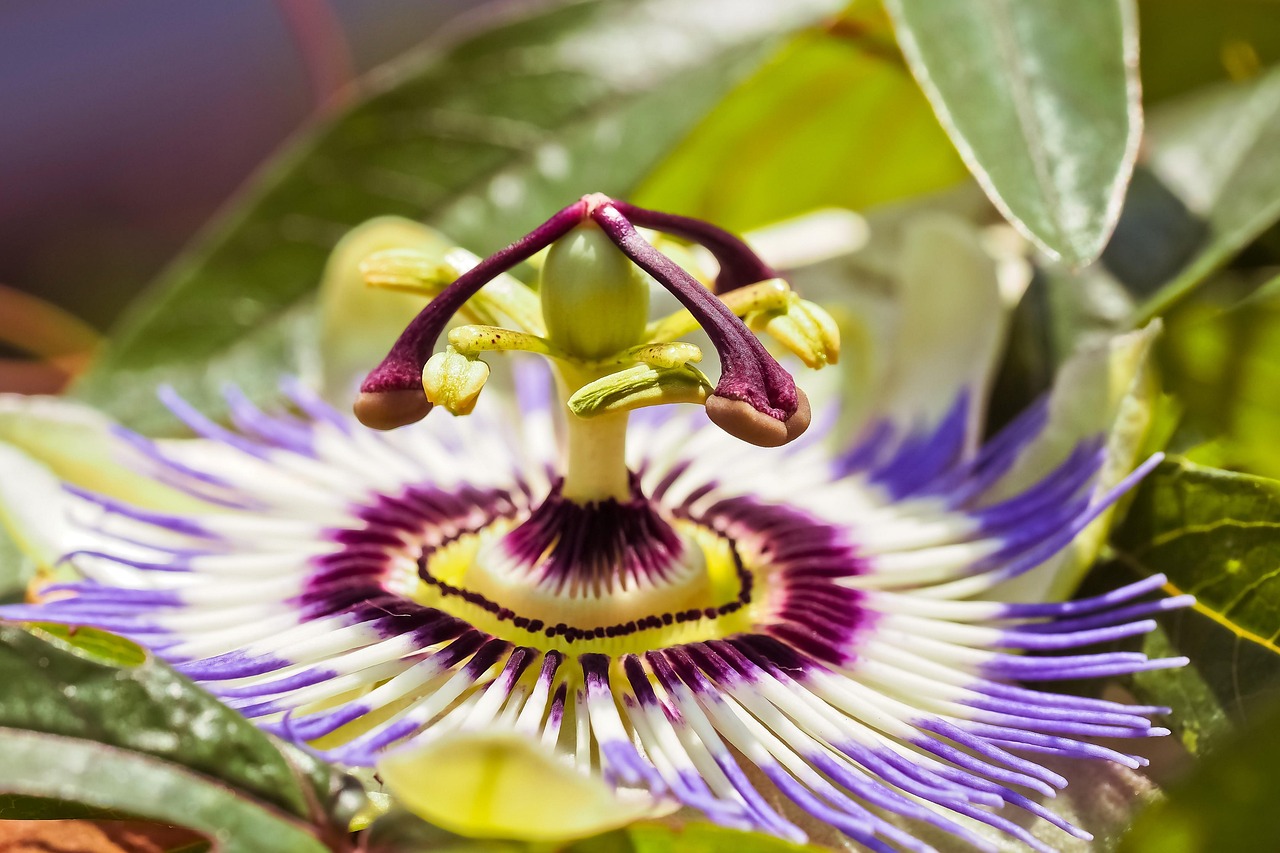
Ever lie awake at night, staring at the ceiling, and wondering why sleep seems to be playing hard to get? You’re not alone. According to the CDC, one in three adults doesn’t get enough sleep. With the hustle and bustle of modern life, it’s no wonder that many of us are tossing and turning instead of peacefully drifting off. If you’re seeking natural remedies to help you relax and improve your sleep quality, you might want to consider the calming effects of passionflower.

This herbal remedy has been used for centuries, and its soothing properties might just be what you need. Let’s dive into five relaxing remedies featuring passionflower that can help you catch those elusive Z’s.
1. Passionflower Tea: A Soothing Brew
What It Is:
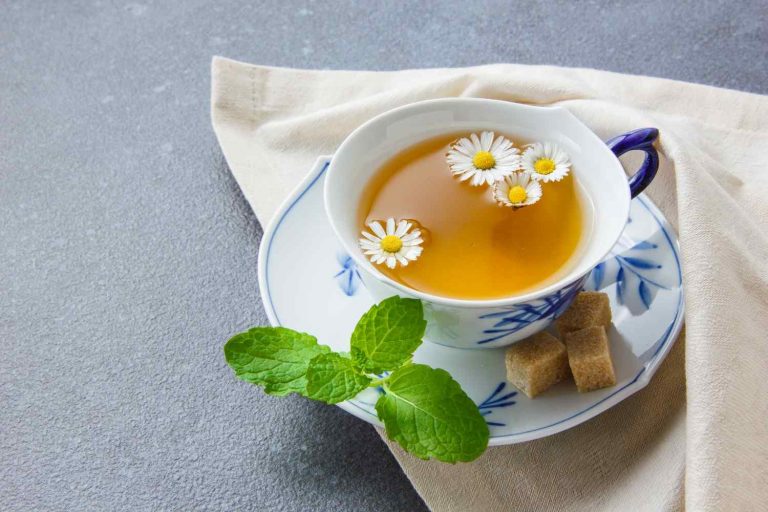
Passionflower tea is arguably the most popular way to consume this calming herb. Made from the dried leaves, flowers, and stems of the passionflower plant, this tea is not only aromatic but also rich in flavonoids, which are believed to help promote relaxation.
How It Works:
Research suggests that passionflower may increase levels of gamma-aminobutyric acid (GABA) in the brain. GABA is a neurotransmitter that helps reduce anxiety and promote a sense of calm. A study published in the Journal of Ethnopharmacology found that participants who took passionflower experienced improved sleep quality compared to those who didn’t (Cao et al., 2015).
How to Make It:
- Steep 1-2 teaspoons of dried passionflower in hot water for about 10 minutes.
- Strain and enjoy it plain or with a bit of honey for sweetness.
Pros and Cons:
While drinking passionflower tea is generally safe, it can cause drowsiness. So, it’s best to drink it in the evening. On the flip side, if you’re on medications like blood thinners or sedatives, consult your healthcare provider first.
2. Passionflower Extract: A Concentrated Option
What It Is:
For those who prefer a more potent option, passionflower extract is available in liquid or capsule form. This concentrated version packs a stronger punch when it comes to relaxation.
How It Works:
The extract retains the beneficial compounds found in the whole plant, delivering them in a more concentrated dose. A study in Phytotherapy Research highlighted that passionflower extract effectively reduced anxiety levels in participants, which can contribute to better sleep quality (Akhondzadeh et al., 2011).
How to Use It:
- Follow the dosage instructions on the label, but a common recommendation is 250-500 mg of liquid extract or two capsules before bedtime.
Pros and Cons:
The main advantage is the convenience and potency of the extract. However, some users may experience side effects like dizziness or confusion. As always, check with your doctor if you’re unsure.
3. Passionflower Aromatherapy: Scents of Serenity
What It Is:
Aromatherapy using passionflower essential oil can create a calming environment that may help improve your sleep. The soothing scent can promote relaxation and reduce stress levels.
How It Works:
Essential oils interact with the limbic system, the part of the brain that controls emotions. When inhaled, passionflower oil can help lower anxiety levels, making it easier for you to unwind.
How to Use It:
- Add a few drops of passionflower essential oil to a diffuser before bedtime.
- Alternatively, mix it with a carrier oil and apply it to your wrists or temples.
Pros and Cons:
While aromatherapy is generally safe, some people may have skin sensitivities. Also, essential oils should never be ingested unless specifically indicated.
4. Passionflower Bath Soak: A Relaxing Retreat
What It Is:
Imagine soaking in a warm bath infused with passionflower. This remedy combines the calming effects of hot water with the soothing properties of the herb, creating a perfect pre-sleep ritual.
How It Works:
Warm water can help relax your muscles and calm your mind, while the inclusion of passionflower can enhance this effect. The combination can help lower cortisol levels, your body’s primary stress hormone.
How to Make It:
- Fill your tub with warm water and add a handful of dried passionflower.
- Soak for at least 20 minutes, allowing the aroma and warmth to envelop you.
Pros and Cons:
This remedy is not only relaxing but also enjoyable. However, be cautious if you have sensitive skin or allergies. Always test a small amount first.
5. Passionflower Meditation: Mindfulness Meets Nature
What It Is:
Using passionflower in a meditation practice can enhance relaxation and focus. This method combines the calming effects of the herb with mindfulness techniques, making it a holistic approach to better sleep.
How It Works:
Incorporating passionflower into your meditation routine can help ground you. The calming properties of passionflower, combined with deep breathing and mindfulness, can significantly reduce anxiety.
How to Use It:
- Prepare a cup of passionflower tea.
- Find a quiet space, sit comfortably, and focus on your breathing.
- Sip your tea slowly while visualizing a peaceful scene.
Pros and Cons:
This method not only aids sleep but also promotes overall mental well-being. If you’re new to meditation, it might take some practice to find your rhythm.
FAQs
1. Can I take passionflower with other sleep aids?
While many people can safely combine passionflower with other sleep aids, it’s crucial to consult your healthcare provider first, especially if you’re on medication.
2. How long does it take for passionflower to work?
The effects can vary based on the form you use, but many people report feeling relaxed within 30 minutes to an hour after consuming passionflower.
3. Are there any side effects to using passionflower?
While passionflower is generally safe, some people may experience side effects like dizziness or drowsiness. Always start with a small dose to see how your body reacts.
4. Can children use passionflower for sleep?
It’s best to consult a pediatrician before giving passionflower to children, as the safety and effectiveness in younger populations haven’t been well-studied.
Conclusion
In our fast-paced world, finding ways to unwind and achieve restful sleep can feel like an uphill battle. Passionflower offers a natural, soothing remedy to help you relax and drift off into a peaceful slumber. Whether you choose to sip on a warm cup of tea, soak in a fragrant bath, or practice mindfulness with its calming scent, passionflower can be a gentle ally in your quest for better sleep.
Remember, though, that everyone’s body reacts differently, and while many find relief with these remedies, it’s essential to listen to your body and consult with healthcare professionals when necessary. Sweet dreams!
References
-
Akhondzadeh, S., et al. (2011). Passionflower extract for the treatment of generalized anxiety disorder: A double-blind, placebo-controlled trial. Phytotherapy Research. Link
-
Cao, Y., et al. (2015). Effects of passionflower on sleep quality in patients with insomnia: A randomized controlled trial. Journal of Ethnopharmacology. Link
-
Mayo Clinic. (n.d.). Sleep disorders. Retrieved from Mayo Clinic
-
National Institutes of Health. (2022). Sleep and sleep disorders. Retrieved from NIH
This article is for educational purposes only and is not a substitute for professional medical advice. Always consult a qualified healthcare provider before making changes to your health routine.
Get Your FREE Natural Health Guide!
Subscribe now and receive our exclusive ebook packed with natural health tips, practical wellness advice, and easy lifestyle changes, delivered straight to your inbox.