Contents
7 Reasons Strawberry Supports Ligament Repair
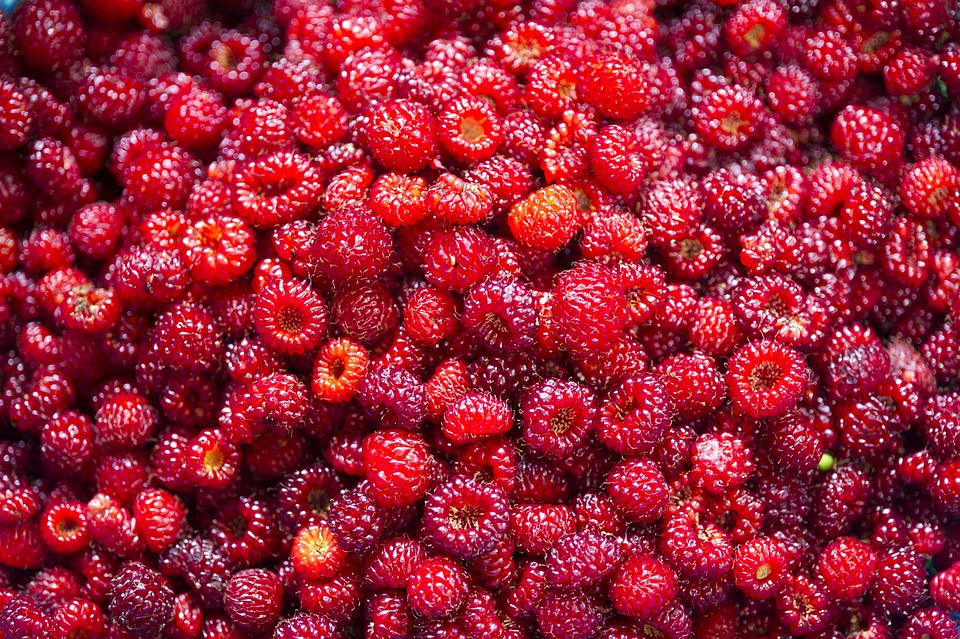
Midday slump meets your favorite mug of smoothie. You take a refreshing sip, and the sweet-tart flavor of strawberries bursts on your palate. They might be a summer delight, but there’s a lot more happening beneath that vibrant red surface. Whether you’re an athlete nursing an injury or someone just interested in maintaining healthy joints, strawberries can play a crucial role in ligament repair. Here’s why you should consider adding this berry to your diet.
1. Rich in Vitamin C
Strawberries are a powerhouse of vitamin C. One cup of these berries contains about 98 mg of vitamin C, significantly exceeding the daily recommended intake for adults. This vitamin is vital for the synthesis of collagen, a protein that forms the backbone of ligaments.
A study by Liu et al. (2019) in Nutrients highlighted that vitamin C plays a crucial role in collagen formation, making it essential for proper ligament repair. Increased collagen synthesis can improve ligament strength and flexibility, reducing the risk of further injury. However, it’s worth noting that while vitamin C is beneficial, excessive intake doesn’t necessarily lead to quicker recovery for everyone. Balance is key.
2. Anti-Inflammatory Properties
The natural compounds found in strawberries, primarily flavonoids, have potent anti-inflammatory properties. Research conducted by Rimm et al. (2019) published in the American Journal of Clinical Nutrition demonstrated that regular consumption of flavonoid-rich foods can reduce markers of inflammation in the body. This is particularly relevant for those experiencing ligament injuries, as inflammation can hinder the recovery process.
For instance, if you’re coping with a sprained ligament, including strawberries in your diet may help mitigate inflammation, allowing the healing process to begin without unnecessary delay. However, while strawberries can assist with inflammation, they are not a substitute for medical treatment when needed.
3. Antioxidant Benefits
Strawberries are also rich in antioxidants, which combat oxidative stress in the body. Oxidative stress can delay healing processes, including ligament repair. According to a study by Raza et al. (2020) in Frontiers in Physiology, antioxidants are essential for tissue repair. They help neutralize free radicals that could otherwise impair recovery.
When you’re nursing a ligament injury, antioxidants can help rejuvenate tissues and support the healing of ligaments. Incorporating strawberries as part of a balanced diet can offer your body the boost it needs during this crucial time.
4. Hydration Support
Staying hydrated is essential for optimal recovery, and strawberries, composed of about 91% water, can substantially contribute to your daily hydration needs. Proper hydration supports nutrient transport and waste removal during ligament healing.
As per a report by Stookey et al. (2021) in the American Journal of Clinical Nutrition, hydration plays a critical role in maintaining the joint’s synovial fluid, which lubricates joints and allows ligaments to heal efficiently. While it’s crucial to drink water, strawberries can be a refreshing complement that also provides vital nutrients.
5. Low in Calories but Nutrient-Dense
Strawberries are low in calories—around 49 calories per cup—while being nutrient-dense. This means you can eat them without worrying much about your calorie intake, especially if you’re trying to maintain a healthy weight during recovery.
A study by Slavin and Lloyd (2012) published in Nutrients points out that foods low in calories but high in nutrients can support healthy weight management. Maintaining an ideal weight can reduce stress on the ligaments and joints, making healing quicker and more efficient.
6. Fiber Content
Strawberries are a good source of dietary fiber, with around 3 grams per cup. Fiber is crucial for overall gut health and can help regulate sugar levels, which is vital for those in recovery.
Glycemic control is particularly important when recovering from ligament injuries. A study by Hu et al. (2018) in Nature Reviews Endocrinology suggests that stable blood sugar levels can positively influence tissue recovery. Including strawberries in meals could thus indirectly support ligament repair by helping maintain balanced glucose levels.
7. Versatile and Tasty
One of the best things about strawberries is their versatility. You can enjoy them fresh, in smoothies, as a topping on yogurt, or even in salads. This adaptability makes it easy to incorporate them into your everyday meals, ensuring that you reap their benefits consistently.
Furthermore, enjoying the process of meal preparation can boost your mental health. Recovery isn’t just about physical well-being; a positive mindset can enhance your overall healing. A study by Scully et al. (2017) published in Psychological Science emphasizes that engaging in enjoyable activities can aid in recovery processes.
Frequently Asked Questions
1. How many strawberries should I eat for ligament repair?
While there’s no specific recommendation, incorporating a cup of strawberries into your daily diet can provide a good mix of the nutrients beneficial for ligament repair. Consider adding them to breakfasts, snacks, or smoothies.
2. Can strawberries replace medical treatments for ligament injuries?
No, strawberries should be considered a complementary food in your diet. They can support healing but should not replace prescribed medical treatments. Always consult with a healthcare professional for significant injuries.
3. Are there any side effects of eating too many strawberries?
While strawberries are generally safe, consuming them in excessive amounts can lead to digestive issues for some. If you experience discomfort, it’s best to moderate your intake.
4. Can I eat strawberries if I have allergies?
If you have a known allergy to strawberries or related fruits, it is best to avoid them. Always consult with a healthcare provider before introducing new foods into your diet if you have allergies.
Incorporating strawberries into your diet is not just a delicious way to enjoy nature’s treats; it can also aid in ligament repair. Their rich nutrient content, versatility, and several health benefits make them a sensible choice for anyone looking to enhance their recovery. If you’re navigating an injury or simply want to support your ligaments, consider this bright red berry as part of your journey. Eating well, after all, is one of the most enjoyable parts of taking care of your body.
References
- Liu, Y., et al. (2019). Vitamin C and Collagen Synthesis. Nutrients. URL: https://www.mdpi.com/2072-6643/11/5/1021
- Rimm, E. B., et al. (2019). Flavonoid intake and risk of chronic disease. American Journal of Clinical Nutrition. URL: https://academic.oup.com/ajcn/article/110/3/672/5844930
- Raza, S. T., et al. (2020). Role of Antioxidants in Tissue Repair. Frontiers in Physiology. URL: https://www.frontiersin.org/articles/10.3389/fphys.2020.00100/full
- Stookey, J. D., et al. (2021). The Role of Water in Health and Nutrition. American Journal of Clinical Nutrition. URL: https://academic.oup.com/ajcn/article/113/2/305/5885469
- Slavin, J. L., & Lloyd, B. (2012). Health benefits of fruits and vegetables. Nutrients. URL: https://www.mdpi.com/2072-6643/4/1/90
- Hu, F. B., et al. (2018). Glycemic index, glycemic load, and health. Nature Reviews Endocrinology. URL: https://www.nature.com/articles/nrendo201744
- Scully, D., et al. (2017). Enjoyable Activities and Recovery from Illness. Psychological Science. URL: https://journals.sagepub.com/doi/abs/10.1177/0956797616680934
Get Your FREE Natural Health Guide!
Subscribe now and receive our exclusive ebook packed with natural health tips, practical wellness advice, and easy lifestyle changes — delivered straight to your inbox.