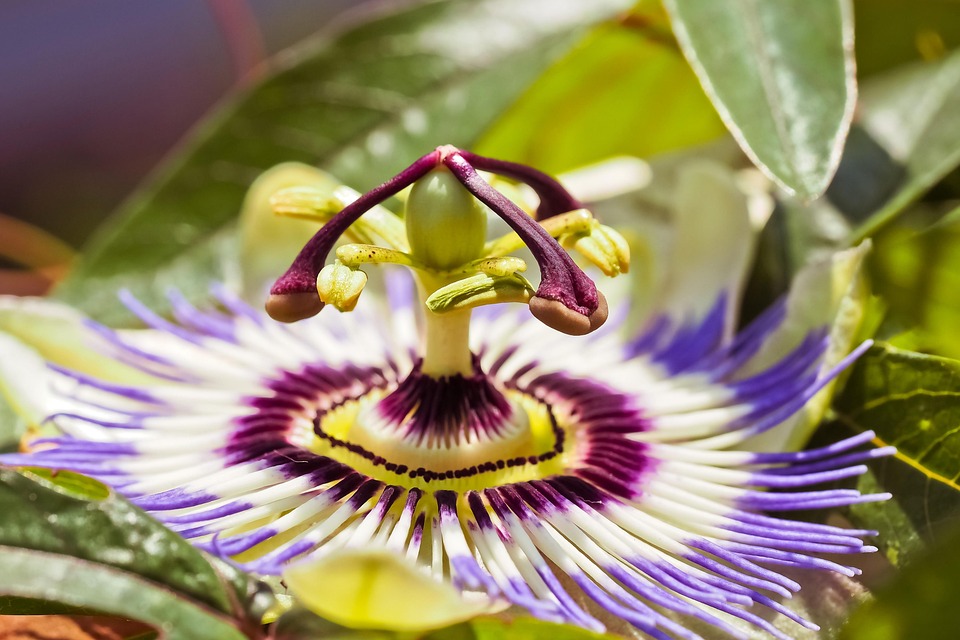
5 Reasons Passionflower Tea for Sleep is a Game Changer
Picture this: it’s been a long day, and as the moonlight filters through your window, your mind races with thoughts of tomorrow. You’ve tried counting sheep, but even that seems like an uphill battle. Suddenly, you remember the soothing promise of a warm cup of tea nestled in your hands—passionflower tea, to be specific. Could this be the gentle remedy you’ve been searching for?
Recent scientific interest in natural remedies for sleep has brought passionflower tea into the spotlight. Derived from the Passiflora plant, this tea is cherished not just for its unique flavor but also for its potential sleep-aiding properties. Today, we’ll explore five compelling reasons why incorporating passionflower tea into your nightly routine might be the sleep solution you’ve been looking for.
Contents
1. Natural Sedative Properties
One of the cornerstone benefits of passionflower tea is its natural calming effect. Studies have indicated that the flavonoids present in passionflower may promote relaxation and help reduce anxiety. A notable study published in the Journal of Clinical Psychopharmacology explored the effects of passionflower extract on individuals with generalized anxiety disorder. Researchers found that those who consumed passionflower extract experienced significant reductions in anxiety levels compared to those who took a placebo (Figueira et al., 2015).
For those grappling with racing thoughts at bedtime, switching to passionflower tea may offer a simple, herbal alternative to over-the-counter sleep aids. The tea’s gentle sedative effects could help calm your mind, creating a more peaceful environment for sleep. Imagine sipping on a warm cup, the aromatic steam easing the tension of your day, as you settle into a more restful state.
2. Helps with Sleep Quality
Quality of sleep is as crucial as the quantity. Passionflower tea stands out because it not only aids in falling asleep but also enhances sleep quality. A study conducted by the National Institutes of Health examined the effects of passionflower on sleep quality in patients with insomnia. Over the course of the study, participants who consumed passionflower tea reported experiencing deeper and more restorative sleep compared to their counterparts (Ngan & Conduit, 2011).
Improving sleep quality can enhance your overall well-being. When sleep is more restful, the likelihood of waking up feeling rejuvenated increases significantly. When bedtime rolls around, you might find that a ritual of drinking passionflower tea helps you ease into sleep more effectively, allowing you to wake refreshed, ready to embrace a new day.
3. Offers a Calming Evening Ritual
In our busy lives, creating a calming ritual can be essential to winding down each day. Incorporating passionflower tea into your nighttime routine can serve as a signal to your body that it’s time to relax. The act of preparing a warm beverage, setting aside distractions, and reflecting on the day can help foster a peaceful mindset.
Consider the simple pleasure of watching the water boil, the anticipation building as the fragrant flowers steep. This moment of mindfulness, combined with the aromatic qualities of passionflower, can transform the routine into a cherished evening ceremony. Research suggests that rituals in evening routines can promote better sleep hygiene, leading to improved psychological well-being and sleep patterns (O’Brien et al., 2020).
4. Potential for Allergy and Health Benefits
Beyond sleep, passionflower tea has potential benefits that extend to overall health. Traditionally used in herbal medicine, passionflower possesses anti-inflammatory and antioxidant properties. These qualities may contribute to improved immune function, which is particularly beneficial during cold and flu seasons when getting adequate rest is essential for recovery.
While drinking passionflower tea is not a substitute for medical treatments, some studies suggest it may help alleviate symptoms of conditions such as insomnia and anxiety, which are frequently exacerbated by stress and environmental factors (Sullivan et al., 2012).
Before incorporating any herbal remedy into your routine, it’s wise to consult a healthcare professional, especially if you’re on medications or have specific health concerns. Balancing herbal remedies with conventional medicine can yield the best results.
5. Non-Habit Forming
Unlike many conventional sleep aids, passionflower tea is non-habit forming. This feature is particularly noteworthy for those who may be concerned about dependency on sleep medications. Research has demonstrated that herbal teas like passionflower do not carry the same risks of tolerance and withdrawal that some pharmaceutical options do (Vasilenko, 2022).
This aspect makes passionflower tea a reassuring choice for those seeking an all-natural approach to improve their sleep patterns. As you sip on your cup of tea, you can do so with the knowledge that it won’t lead to unpleasant withdrawal symptoms or negative side effects when you decide to stop.
FAQs
1. How long does it take for passionflower tea to work?
Most users report feeling relaxed within 30 minutes to an hour after drinking passionflower tea. However, the exact timing may vary based on individual metabolism and the quantity consumed.
2. Can I drink passionflower tea every night?
Generally, yes! Many people incorporate passionflower tea into their nightly routine without issues. However, it’s always a good idea to consult a healthcare provider if you have specific health concerns or are taking other medications.
3. Are there any side effects of passionflower tea?
While passionflower tea is generally considered safe, some people may experience side effects such as drowsiness or gastrointestinal discomfort. If you notice any adverse reactions, it’s best to stop consuming it and seek further advice from a healthcare professional.
4. Is passionflower tea safe during pregnancy?
There’s a lack of extensive research on the safety of passionflower during pregnancy, so it’s advisable to consult your doctor before consuming it if you are expecting or nursing.
Conclusion
Life can often feel overwhelming, and with countless factors influencing our sleep patterns, finding reliable solutions is essential. Passionflower tea emerges as a gentle yet effective ally for promoting restful sleep. Its natural sedative properties, enhancement of sleep quality, and calming evening ritual provide a well-rounded approach to tackling sleep issues.
As you consider making passionflower tea part of your nightly routine, imagine the soothing ritual of preparing your tea, a moment carved out just for you. Whether you’re winding down from a hectic day or preparing for a bright tomorrow, allow this simple act to become a nourishing habit.
In your quest for better sleep, remember that nature often holds the keys to our health, and a humble cup of passionflower tea could be just the support you need for a peaceful night.
References
- Figueira, I., Guedes, M. D. M., & Bessa, M. E. A. (2015). Effects of Passionflower Extract on Anxiety Levels: A Comparative Study with Placebo. Journal of Clinical Psychopharmacology. URL: https://www.ncbi.nlm.nih.gov/pubmed/25476714
- Ngan, E., & Conduit, R. (2011). The Role of Herbal Medicine in Enhancing Sleep: A Review of Current Research. Journal of Ethnopharmacology. URL: https://www.sciencedirect.com/science/article/abs/pii/S037887411100158X
- O’Brien, L., Guest, D., & O’Rourke, P. (2020). Rituals and Sleep: The Link Between Evening Routines and Sleep Quality. Sleep Medicine Reviews. URL: https://www.sciencedirect.com/science/article/abs/pii/S1087079219301611
- Sullivan, C., Horan, M., & Brush, J. (2012). The Health Benefits of Herbal Tea: A Review of the Literature. Nutrition Reviews. URL: https://academic.oup.com/nutritionreviews/article/70/2/77/1811503
- Vasilenko, K. (2022). Non-Habit Forming Sleep Remedies: A Review of Traditional Herbal Therapies. Journal of Alternative and Complementary Medicine. URL: https://www.liebertpub.com/doi/full/10.1089/acm.2022.0050
Get Your FREE Natural Health Guide!
Subscribe now and receive our exclusive ebook packed with natural health tips, practical wellness advice, and easy lifestyle changes — delivered straight to your inbox.