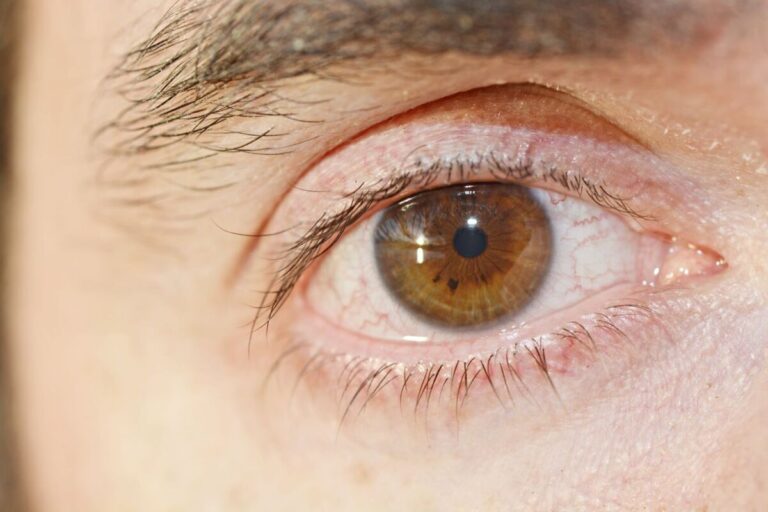
Many people experience occasional eye discomfort. This can stem from various everyday factors, often presenting as a feeling of irritation or general unease. Exploring gentle, traditional approaches for comfort is a common pursuit.
One such method involves the use of a chamomile compress for eye inflammation. This botanical application has a long history in various cultures, often recognized for its soothing qualities. It offers a way to potentially support a sense of calm and well being around the delicate eye area.
This guide delves into the precise application of chamomile compresses, providing detailed insights into its traditional use and practical preparation. Understanding the nuances of this method can help individuals integrate it safely and effectively into their personal comfort practices. People with underlying conditions often work with a qualified healthcare professional for personalized guidance. This information is educational and not a substitute for medical advice.
Decoding Chamomile’s Botanical Profile for Ocular Comfort
Chamomile, particularly *Matricaria recutita* or German chamomile, holds a significant place in botanical traditions. Its small, daisy-like flowers are often prepared as an infusion, valued for supporting relaxation and a general sense of calm. The plant’s historical use spans centuries, primarily for its comforting attributes.
The plant contains various natural compounds that contribute to its celebrated profile. These constituents are often discussed for their presence in chamomile preparations and how they interact with the body’s systems in a gentle manner. Applying chamomile topically as a compress introduces these compounds to the skin, offering a localized soothing effect.
When used as a compress, the warmth or coolness of the application itself also plays a role in comfort. The botanical components work alongside the physical sensation of the compress to provide a multifaceted approach to feeling better. It’s a method centered on creating a tranquil experience for tired or irritated eyes.
Key Botanical Constituents
- Bisabolol: A sesquiterpene alcohol, often associated with skin comfort and a mild fragrance.
- Chamazulene: Another sesquiterpene, known for its distinct blue color when distilled and frequently discussed for its presence in soothing formulations.
- Apigenin: A flavonoid compound, widely present in chamomile, that often contributes to the plant’s calming reputation.
Botanical Preparations
For a compress, dried chamomile flowers or high-quality tea bags are typically used. It’s important to select chamomile that is free from additives and contaminants, ensuring a pure botanical experience for sensitive areas like the eyes.
The Fundamental Science of Chamomile Application
A compress, whether warm or cool, fundamentally works by delivering temperature and moisture to a localized area. This simple physical interaction can profoundly influence comfort levels. The act of applying a compress encourages a moment of pause and self care, which itself contributes to a sense of well-being.
When infused with chamomile, the water absorbs the botanical compounds. This solution then saturates a cloth, which is applied to the skin. The gentle contact allows the skin to absorb the moisture and the plant’s constituents, offering a mild, surface-level interaction. This isn’t about deep tissue penetration or altering biological function, but rather about superficial comfort.
The choice between a warm or cool compress can also affect the perceived benefits. A warm compress often feels relaxing, promoting a sense of ease. A cool compress, conversely, can feel refreshing and revitalizing. Both approaches leverage temperature to support comfort, with chamomile augmenting this experience.
Compress Principles
- Temperature Regulation: Dictates the primary sensation, either soothing warmth or refreshing coolness.
- Moisture Delivery: Hydrates the delicate skin around the eyes, contributing to a feeling of softness.
- Gentle Contact: Provides a subtle pressure that can feel comforting and secure.
Preparing a Comfort Compress
To create a chamomile compress, the first step involves brewing a strong infusion. Once prepared and cooled to a safe temperature, a clean cloth is saturated with the liquid. This cloth is then gently placed over the closed eyelids, allowing for a few minutes of quiet repose.
Crafting Your Chamomile Compress: A Step-by-Step Guide
The careful preparation of a chamomile compress is key to its effectiveness as a soothing agent. Every detail, from selecting the right chamomile to ensuring proper hygiene, contributes to a positive experience. This structured approach helps maximize the potential for comfort while minimizing any risk of irritation.
Making your own compress allows you to control the quality of ingredients and the application method. This empowers you to tailor the experience to your specific comfort needs. It’s a simple yet thoughtful way to integrate botanical support into your daily wellness practices.
Understanding each step ensures that the compress remains a safe, gentle, and refreshing option for tired or sensitive eyes. Remember, people with underlying conditions often work with a qualified healthcare professional for personalized guidance.
Essential Items
- High-quality Chamomile: Either dried flowers or unbleached tea bags.
- Clean Water: Filtered or distilled water is preferred for purity.
- Soft, Clean Cloth: Cotton pads or a freshly laundered washcloth work well.
- Small Pot or Cup: For brewing the chamomile infusion.
Infusion Technique
Begin by bringing about one cup of filtered water to a boil. Remove it from the heat immediately. Add one chamomile tea bag or a tablespoon of loose dried chamomile flowers to the hot water. Allow the chamomile to steep for approximately 5 to 10 minutes. This duration ensures a potent infusion.
Selecting Quality Chamomile for Eye Use
The quality of your chamomile directly impacts the potential comfort benefits of the compress. Opting for organic, ethically sourced chamomile helps ensure the product is free from pesticides and other undesirable chemicals. This purity is particularly important for an application near the sensitive eye area.
Dried, whole chamomile flowers often offer a more potent infusion compared to finely ground powders or less refined tea bag contents. The visual integrity of the flower petals indicates better preservation of its natural compounds. Checking for certifications or reputable botanical suppliers can provide confidence in your selection.
Avoiding chamomile products with added fragrances, artificial colors, or other undisclosed ingredients is crucial. A pure, unadulterated botanical product minimizes the potential for adverse reactions. Focusing on quality ensures a gentle and soothing experience.
Quality Factors
- Organic Certification: Ensures absence of synthetic pesticides and herbicides.
- Freshness: Indicated by a vibrant aroma and intact flower heads.
- Whole Flowers: Often suggest a higher concentration of beneficial compounds compared to dust.
Sourcing Considerations
Seek out botanical suppliers or health food stores known for their commitment to pure, high-quality herbs. Reading product labels for origin and processing information can guide your choice. Research from the National Center for Complementary and Integrative Health provides general information on chamomile.
Optimal Temperature and Application Duration
The temperature of your chamomile compress is a key factor in its soothing effect. For general eye comfort, a warm compress often feels deeply relaxing, while a cool compress can offer a refreshing sensation. It’s important to choose a temperature that feels comfortable and never too extreme.
For a warm compress, allow the chamomile infusion to cool sufficiently so it’s warm to the touch, but not hot. Test the temperature on the inside of your wrist before applying it to your eyelids. For a cool compress, simply let the infusion cool completely to room temperature, or chill it slightly in the refrigerator for a more invigorating feel.
The duration of application is also significant for comfort. Generally, a compress is applied for about 5 to 15 minutes. This timeframe allows the skin to absorb the moisture and botanical essences gently, without prolonged exposure that might lead to skin maceration or excessive cooling.
Temperature Guidelines
- Warm Compress: Comfortably warm, never hot to prevent skin irritation.
- Cool Compress: Room temperature or slightly chilled, refreshing without being overly cold.
Timeframes
- Application Window: Typically 5 to 15 minutes per session.
- Observation: Remove immediately if any discomfort or irritation arises.
Mindful Application
Saturate your clean cloth with the prepared chamomile solution, then gently squeeze out any excess liquid. Lie down in a comfortable position and carefully place the moist cloth over your closed eyelids. Relax and breathe deeply, allowing the compress to provide its soothing effect.
Hygiene Protocols for Eye Compresses
Maintaining strict hygiene is paramount when applying anything to the delicate eye area. The eyes are susceptible to irritation from external contaminants, so every step in preparing and using a compress must prioritize cleanliness. This careful approach helps prevent introducing unwanted elements.
Before you begin preparing your chamomile infusion or touching the compress materials, always wash your hands thoroughly with soap and water. This simple step eliminates many potential irritants. Ensure your hands are completely clean before handling any ingredients or cloths.
The cloth you use for the compress must also be impeccably clean. Use a fresh, laundered washcloth or sterile cotton pads for each application. Never reuse a cloth without washing it, and avoid using cloths that have been exposed to harsh detergents or fabric softeners, as these residues could irritate the eyes.
Hygiene Essentials
- Hand Washing: Critical before touching any materials or your eyes.
- Sterile Materials: Use a clean cloth or fresh cotton pads for each session.
- Fresh Infusion: Always prepare a new chamomile infusion for every application.
Post-Application Care
After removing the compress, gently pat the area around your eyes dry with a clean, soft cloth. Discard the used chamomile tea bag or loose flowers and wash the compress cloth immediately. Do not rub the eyes.
Identifying Potential Sensitivities
While chamomile is often considered gentle, individual sensitivities can occur. It’s important to be aware of how your skin and eyes react to new topical applications. A patch test is a sensible first step before applying a chamomile compress directly to your eyelids.
To perform a patch test, prepare a small amount of chamomile infusion. Dab a tiny amount onto a discreet patch of skin, such as behind your ear or on your inner arm. Observe the area for 24 hours for any signs of redness, itching, swelling, or other irritation. If no reaction occurs, you can likely proceed with the eye compress.
Even after a successful patch test, pay close attention to any sensations during the compress application. If you experience burning, stinging, increased redness, or any discomfort, remove the compress immediately and rinse your eyes with cool, clean water. Your comfort and safety are the top priority.
Allergic Markers
- Redness: Persistent discoloration or flushing of the skin.
- Itching: A sensation of discomfort or desire to scratch the area.
- Swelling: Any noticeable puffiness or enlargement of the skin.
- Burning Sensation: A strong, unpleasant stinging or heat.
Testing Steps
- Apply Small Amount: Dab infusion on a small, discreet skin area.
- Observe: Monitor for 24 hours for any adverse reactions.
- Proceed Cautiously: If no reaction, apply the compress to eyes, remaining vigilant.
When to Seek Professional Insight
Should any significant or persistent discomfort arise, discontinue use and consult a qualified healthcare professional. They can provide personalized advice and rule out any underlying conditions requiring medical attention.
| Compress Type | Primary Sensation | Recommended For | Preparation Notes |
|---|---|---|---|
| Warm Chamomile Compress | Relaxing, Soothing | General comfort, feeling of ease | Infusion cooled to comfortably warm temperature. |
| Cool Chamomile Compress | Refreshing, Invigorating | Revitalizing tired eyes, subtle cooling | Infusion cooled to room temperature or slightly chilled. |
Common Missteps When Using Botanical Compresses
Even with a straightforward practice like a chamomile compress, certain missteps can reduce its effectiveness or even cause irritation. Being aware of these common errors helps ensure a safe and comfortable experience. Attention to detail is crucial for any application near the sensitive eye area.
One frequent mistake is using water that is too hot for the infusion or applying a compress that is excessively warm. Extreme heat can damage delicate skin and cause discomfort, negating any soothing benefits. Always allow the solution to cool to a comfortable temperature before application.
Another oversight involves neglecting proper hygiene. Reusing cloths without washing or preparing an infusion with unwashed hands can introduce unwanted elements to the eyes. Freshness and cleanliness are non-negotiable for eye care. People with underlying conditions often work with a qualified healthcare professional for personalized guidance.
Errors to Avoid
- Excessive Heat: Never apply a compress that feels hot to the touch.
- Poor Hygiene: Always use clean hands and fresh, sterile materials.
- Prolonged Application: Leaving a compress on for too long can sometimes over-hydrate or irritate skin.
- Ignoring Sensitivities: Pushing through any discomfort or irritation signals is not advisable.
Best Practices for Comfort
Prioritize moderate temperatures, meticulous hygiene, and attentive observation of your body’s reactions. Discontinue use immediately if any adverse effects are noted.
Frequently Asked Questions
Is a chamomile compress suitable for all types of eye irritation?
A chamomile compress is generally explored for general comfort and soothing sensations around the eyes. It is not intended for addressing specific medical eye conditions or severe irritation. For any persistent or concerning eye issues, it’s always best to consult a qualified healthcare professional for an accurate assessment.
Can I reuse the chamomile tea bags or solution?
For optimal hygiene and efficacy, it is highly recommended to use fresh chamomile tea bags or loose flowers for each compress application. Likewise, prepare a new infusion for every use. Reusing materials can compromise cleanliness and may reduce the potency of the botanical compounds, potentially introducing unwanted elements.
How often can one apply a chamomile compress?
The frequency of applying a chamomile compress for comfort is often a personal preference. Some people choose to use it once a day for a soothing moment, while others may use it less frequently. Listen to your body and discontinue if any irritation occurs. This is not a treatment schedule, but a comfort practice.
What if I experience discomfort during or after application?
If you experience any burning, stinging, increased redness, or unusual discomfort during or after applying a chamomile compress, remove it immediately. Gently rinse your eyes with cool, clean water. If discomfort persists, it is important to seek advice from a qualified healthcare professional promptly.
The Bottom Line
The traditional practice of using a chamomile compress offers a gentle, natural approach to supporting eye comfort and promoting a sense of well-being. By carefully selecting quality chamomile, adhering to strict hygiene protocols, and paying close attention to application temperature and duration, individuals can integrate this botanical method safely into their self-care routine. Remember that this information is educational and not a substitute for medical advice.
To explore this comforting method, gather your materials and prepare your first gentle chamomile compress, prioritizing safety and your personal comfort above all else.
Get Your FREE Natural Health Guide!
Subscribe now and receive our exclusive ebook packed with natural health tips, practical wellness advice, and easy lifestyle changes, delivered straight to your inbox.