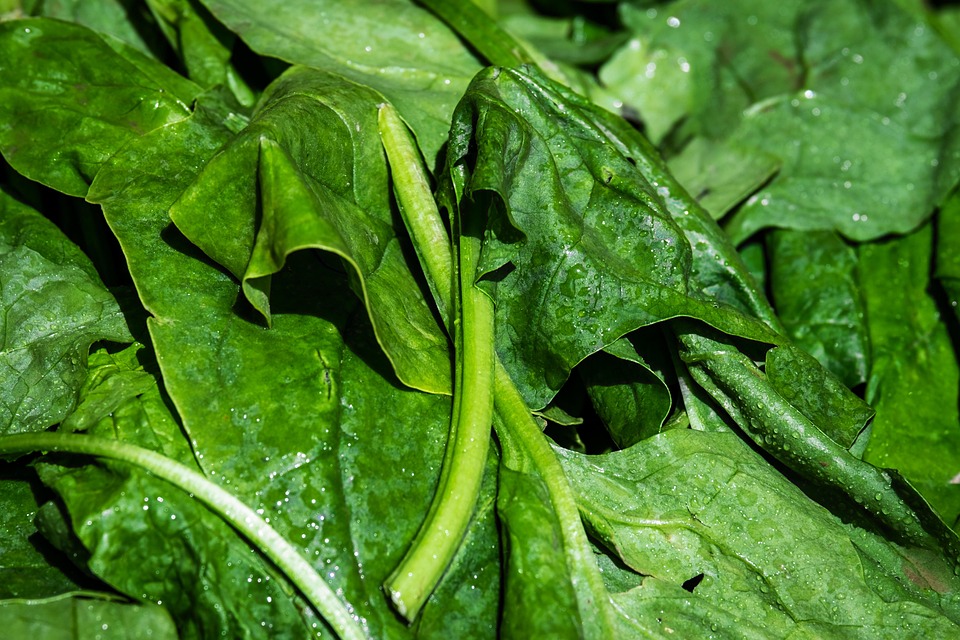

Spinach for Penis Blood Flow: Exploring Natural Circulatory Wellness
Spinach, a leafy green vegetable cherished across diverse culinary traditions, offers far more than simple plate aesthetics. Its rich nutritional profile has positioned it as a subject of considerable interest in discussions around whole body health.
For those exploring natural ways to support general well being, understanding the specific compounds within spinach provides valuable insights.
We’ll examine key components of spinach and how they are often discussed in relation to circulatory health and overall vascular function.
Reason 1: Dietary Nitrates Support Nitric Oxide Pathways
Spinach is particularly notable for its concentration of dietary nitrates. These compounds are found abundantly in many green leafy vegetables, beets, and other plant foods. Once consumed, dietary nitrates undergo a series of transformations within the body.
The process often begins in the mouth, where specific oral bacteria convert nitrates into nitrites. These nitrites then move through the digestive system, where they can be further converted into nitric oxide, especially under certain physiological conditions.
Nitric oxide is a signaling molecule with various roles throughout the body. Its presence is often explored in discussions of vascular tone and circulatory responses. Supporting healthy nitric oxide pathways is a common focus for those interested in vascular wellness.
- Active Compound: Dietary Nitrates
- Best Used For: Supporting nitric oxide metabolism
- Mechanism of Action: Converted to nitrites, then nitric oxide, which is associated with circulatory function
Incorporation Strategy
Incorporating fresh spinach into daily meals provides a consistent supply of these dietary nitrates. Eating spinach regularly can be a simple way to support these internal pathways.
Reason 2: Magnesium’s Role in Muscle and Vascular Health
Spinach is an excellent source of magnesium, a fundamental mineral involved in over 300 biochemical reactions in the human body. Its significance extends to muscle function, nerve transmission, and energy production. Many people find magnesium helpful for general well being.
Within the cardiovascular system, magnesium’s actions are often discussed in relation to vascular smooth muscle. This mineral helps support normal muscle contraction and relaxation processes. A balanced intake of magnesium contributes to the overall healthy functioning of these systems.
Maintaining adequate magnesium levels through diet is a practical approach for general health support. Spinach provides a readily available source of this important nutrient, which can complement various dietary approaches.
- Active Compound: Magnesium
- Best Used For: Supporting muscle function and overall cellular processes
- Mechanism of Action: Cofactor in numerous enzymatic reactions, including those affecting vascular smooth muscle activity
Dietary Inclusion Suggestion
Adding spinach to salads, smoothies, or sautéed dishes boosts magnesium intake. This is an easy way to ensure the body receives this vital mineral.
Reason 3: Potassium for Electrolyte Balance and Blood Pressure Support
Another crucial mineral found in spinach is potassium. This electrolyte plays a key role in maintaining fluid balance, nerve signals, and muscle contractions. Proper potassium intake is often associated with a healthy cardiovascular system.
Potassium helps to counterbalance the effects of sodium in the body, contributing to the maintenance of healthy blood pressure levels already within a normal range. This balance is integral to overall circulatory health. Consuming potassium-rich foods supports these essential physiological processes.
A diet rich in potassium, such as one including regular servings of spinach, can be a valuable part of a broader nutritional strategy. It helps ensure the body’s electrolyte systems function effectively, which is important for widespread cellular activity.
- Active Compound: Potassium
- Best Used For: Maintaining electrolyte balance and supporting healthy blood pressure already in the normal range
- Mechanism of Action: Key electrolyte involved in fluid balance and cellular electrical potential, which influences vascular tone
Usage Recommendation
Make spinach a regular part of your meals to benefit from its potassium content. This simple dietary adjustment supports overall electrolyte balance.
Reason 4: Antioxidants for Vascular Endothelial Health
Spinach is a powerhouse of various antioxidants, including lutein, zeaxanthin, vitamin C, and vitamin E. These compounds help protect cells from oxidative stress, a natural process that occurs in the body. Oxidative balance is important for general cellular integrity.
The vascular endothelium, the inner lining of blood vessels, is particularly sensitive to factors that can disrupt its normal function. Antioxidants are often discussed for their role in maintaining the health and integrity of these endothelial cells. Supporting healthy endothelial function is a cornerstone of cardiovascular wellness.
By providing a rich array of these protective compounds, spinach contributes to the body’s natural defense systems. A diet abundant in antioxidants is considered a foundational approach for supporting overall health and cellular resilience.
- Active Compounds: Lutein, Zeaxanthin, Vitamin C, Vitamin E, various flavonoids
- Best Used For: Supporting cellular protection and maintaining vascular endothelial health
- Mechanism of Action: Neutralize free radicals, helping to preserve cellular integrity and function
Daily Dietary Integration
Regular consumption of spinach ensures a consistent intake of these antioxidants. This helps the body manage oxidative processes and support healthy cells.
Reason 5: Folate and B Vitamins for Cardiovascular Well Being
Spinach is also a significant source of folate, a B vitamin essential for numerous bodily functions, including cell division and DNA synthesis. Folate works synergistically with other B vitamins, such as vitamin B6 and B12, in various metabolic pathways. This group of vitamins is often considered important for overall cardiovascular health.
One area of interest involving folate and other B vitamins is their role in supporting healthy levels of homocysteine, an amino acid. While homocysteine is naturally present in the body, maintaining its levels within a normal range is often discussed in relation to cardiovascular function. Folate and B vitamins assist in the metabolism of homocysteine.
A diet rich in folate contributes to the efficient functioning of these metabolic cycles. Ensuring adequate intake of B vitamins through foods like spinach supports a broad spectrum of bodily processes, including those that influence circulatory health.
- Active Compound: Folate (Vitamin B9) and other B Vitamins
- Best Used For: Supporting homocysteine metabolism and general cardiovascular health
- Mechanism of Action: Involved in single-carbon metabolism, crucial for DNA synthesis and amino acid regulation
Preparation Guideline
Include spinach in your diet several times a week to benefit from its folate and B vitamin content. Cooking methods that preserve nutrient integrity, like light steaming, are often recommended.
Common Misconceptions About Dietary Nitrates
There has been historical confusion regarding dietary nitrates. Some people mistakenly associate them solely with synthetic nitrates used in processed meats, which can have different metabolic outcomes. It’s crucial to differentiate these.
Dietary nitrates found naturally in vegetables like spinach are part of a healthful food matrix. They come packaged with vitamins, minerals, and fiber. The body processes these plant-based nitrates differently than highly processed forms.
Research continues to explore the distinct pathways and effects of plant-derived nitrates. Understanding this distinction helps clarify their beneficial role in a balanced diet, emphasizing the importance of whole food consumption. People often consult with a qualified healthcare professional for personalized guidance on dietary choices.
Here’s a comparison of key compounds and their broad benefits:
| Compound | Primary Benefit (General Wellness) | Related System |
|---|---|---|
| Dietary Nitrates | Supports nitric oxide pathways | Circulatory System |
| Magnesium | Aids muscle and nerve function | Musculoskeletal & Nervous Systems |
| Potassium | Maintains fluid and electrolyte balance | Cardiovascular System |
| Antioxidants | Protects cells from oxidative stress | Immune & Cellular Systems |
| Folate | Supports cellular health and metabolism | Cardiovascular & Metabolic Systems |
Maximizing the Benefits of Spinach
To fully harness the nutritional power of spinach, preparation and storage are key considerations. Fresh, raw spinach retains the highest concentration of many heat-sensitive nutrients, like vitamin C.
Lightly cooking spinach, such as steaming or sautéing for a short duration, can actually increase the bioavailability of certain compounds, like iron and some fat-soluble vitamins, by breaking down cell walls. However, excessive cooking can degrade other beneficial components.
Incorporating spinach into a varied diet ensures a broad spectrum of nutrients. Pairing it with sources of healthy fats, like olive oil or avocado, can enhance the absorption of its fat-soluble vitamins. The U.S. Department of Agriculture offers extensive information on the nutritional content of various foods.
Beyond Spinach: A Holistic Approach to Wellness
While spinach offers significant nutritional advantages, it’s one piece of a larger wellness puzzle. A holistic approach involves a range of dietary choices, physical activity, and mindful lifestyle practices. No single food acts as a panacea for all health concerns.
Balanced nutrition includes a wide variety of fruits, vegetables, whole grains, lean proteins, and healthy fats. This diverse intake ensures the body receives all the necessary macro and micronutrients for optimal function. Variety helps address different nutritional needs.
Regular physical activity, adequate sleep, and stress management techniques also play pivotal roles in overall well being. These lifestyle factors collectively support a healthy circulatory system and general vitality. People with underlying conditions often work with a qualified healthcare professional for personalized guidance.
Frequently Asked Questions About Spinach and Circulatory Health
Can spinach alone significantly impact circulation?
Spinach provides beneficial compounds that support various aspects of circulatory health as part of a balanced diet. It’s an excellent contributor to overall wellness, but no single food can guarantee specific physiological outcomes. A comprehensive healthy lifestyle is generally recommended for optimal results.
Is raw or cooked spinach better for nitrates?
Both raw and cooked spinach contain dietary nitrates. While some nutrients can be sensitive to heat, nitrates are generally stable. The most important factor is consistent consumption of spinach in any form, prioritizing fresh and minimally processed options.
How much spinach should I eat daily for general health?
There isn’t a strict universal recommendation for daily spinach intake. However, incorporating several servings of leafy greens, including spinach, into your weekly diet is a widely accepted practice for general health. Listen to your body and discuss significant dietary changes with a healthcare professional.
Are there any downsides to eating a lot of spinach?
Spinach is generally safe and highly beneficial for most people. However, it contains oxalates, which can be a concern for individuals prone to kidney stones. Cooking spinach can reduce oxalate levels. Moderation and a varied diet are always good practices.
The Bottom Line
Spinach stands out as a nutrient-dense food with several components that align with principles of circulatory health. Its dietary nitrates, magnesium, potassium, antioxidants, and B vitamins all play supportive roles in various physiological processes.
Integrating spinach into your regular diet is a simple, effective step toward embracing a more nutritious and supportive lifestyle. This information is educational and not a substitute for medical advice.
Get Your FREE Natural Health Guide!
Subscribe now and receive our exclusive ebook packed with natural health tips, practical wellness advice, and easy lifestyle changes, delivered straight to your inbox.