Eyes superfood benefits are the concentrated nutritional advantages certain foods deliver to protect and sharpen your vision. Think of them as targeted fuel for the small, hardworking organs that let you read a face, catch a child’s smile, and watch a sunset without squinting. This matters because your eyes show up every day for you — and they deserve more than vague promises. They need real nutrients backed by science and simple ways to add them to your life.
Contents
- Eyes Superfood Benefits: 7 Ways They Boost Vision
- 1. Protects Against Age-Related Macular Degeneration
- 2. Reduces Dry Eye Through Omega-3s
- 3. Enhances Night Vision With Vitamin A
- 4. Reduces Oxidative Stress With Antioxidants
- 5. Maintains Blood Vessel Health For Retinal Support
- 6. Stabilizes Vision Fluctuations Through Blood Sugar Control
- 7. Supports Lens Clarity To Combat Cataracts
- How To Build An Eye-Friendly Plate
- Supplements: When Food Alone Isn’t Enough
- Real-Life Wins: What People Notice
- Science and Authority Behind These Claims
- Simple Weekly Meal Plan To Get Started
- Lifestyle Tips That Amplify Food Benefits
- When To See A Professional
- Bottom Line
- FAQ
Eyes Superfood Benefits: 7 Ways They Boost Vision
You’re busy. You don’t want mystery supplements or overhyped pills. You want clear reasons to choose spinach over chips, salmon over frozen dinners, and berries instead of candy. Below I give you seven real, research-supported ways eyes superfood benefits translate into better sight and longer eye health. Each one is practical, proven, and easy to use.
1. Protects Against Age-Related Macular Degeneration
Macular degeneration steals central vision slowly and cruelly. Certain superfoods — rich in lutein and zeaxanthin, like kale and eggs — collect in the macula and act as a natural shield. Studies from leading eye institutes show diets high in these carotenoids reduce AMD risk and slow progression. You don’t need a lab to use this: a couple of spinach salads a week or a morning egg can stack meaningful protection into your weeks and years.
Including eyes superfood benefits for macular support is not a fad. It’s a repeatable, everyday choice with measurable outcomes. Think of it as long-term insurance you actually enjoy.
2. Reduces Dry Eye Through Omega-3s
Dry, gritty eyes make concentration a chore. Omega-3 fatty acids, abundant in fatty fish like salmon and in walnuts, lubricate tear production and calm inflammation. Clinical trials reported improved tear quality and reduced symptoms for people who adjusted their diets or took fish oil supplements.
If you type, drive, or stare at screens — and who doesn’t — using eyes superfood benefits by adding omega-3s is a fast, tangible fix. A salmon dinner twice a week or a handful of walnuts each day can change the way your eyes feel.
3. Enhances Night Vision With Vitamin A
Vitamin A is not glamorous, but it’s essential. It helps form rhodopsin, a pigment in your retina that allows you to see in low light. Sweet potatoes, carrots, and liver are classic sources. Research from university ophthalmology departments shows that vitamin A deficiency directly impairs night vision.
This is one of those simple trade-offs: eat the colorful veggies, and your eyes return the favor when you’re driving after dark or catching a late movie.
4. Reduces Oxidative Stress With Antioxidants
Your eyes are exposed to light and oxygen, which produce free radicals that damage tissue. Antioxidant-rich foods — berries, dark leafy greens, and green tea — neutralize that oxidative stress. Several peer-reviewed studies connect antioxidant intake with slower deterioration of retinal cells.
You don’t have to overhaul your kitchen. Adding a daily serving of blueberries or a cup of green tea brings powerful eyes superfood benefits that slow cellular wear-and-tear and keep your retina healthier for longer.
5. Maintains Blood Vessel Health For Retinal Support
Healthy circulation keeps the retina nourished. Foods that improve vascular health — like beets, citrus, and whole grains — support blood flow and reduce the risk of diabetic retinopathy and other vascular eye diseases. Medical centers specializing in diabetes-related eye care recommend dietary patterns that focus on whole foods to preserve retinal circulation.
Use eyes superfood benefits here by swapping refined carbs for whole grains and adding color to your plate. Your retina will thank you when it receives steady, healthy blood supply.
6. Stabilizes Vision Fluctuations Through Blood Sugar Control
Fluctuating blood sugar can blur your sight. Controlling glucose with fiber-rich fruits, vegetables, and legumes keeps vision stable. Major diabetes clinics stress dietary control as a first-line defense against vision swings and long-term complications.
Incorporating eyes superfood benefits that balance blood sugar means fewer headaches, clearer mornings, and a lower lifetime risk of diabetic eye disease. It’s discipline that pays immediate and future dividends.
7. Supports Lens Clarity To Combat Cataracts
Cataracts cloud the lens slowly, but antioxidant vitamins C and E, along with certain minerals, slow that clouding. Citrus fruits, almonds, and bell peppers are easy sources. Long-term cohort studies suggest diets rich in these nutrients correlate with lower cataract formation.
Make it simple: a glass of orange juice, a handful of almonds, and a colorful salad across the week brings you measurable eyes superfood benefits when it comes to keeping your lenses clear.
How To Build An Eye-Friendly Plate
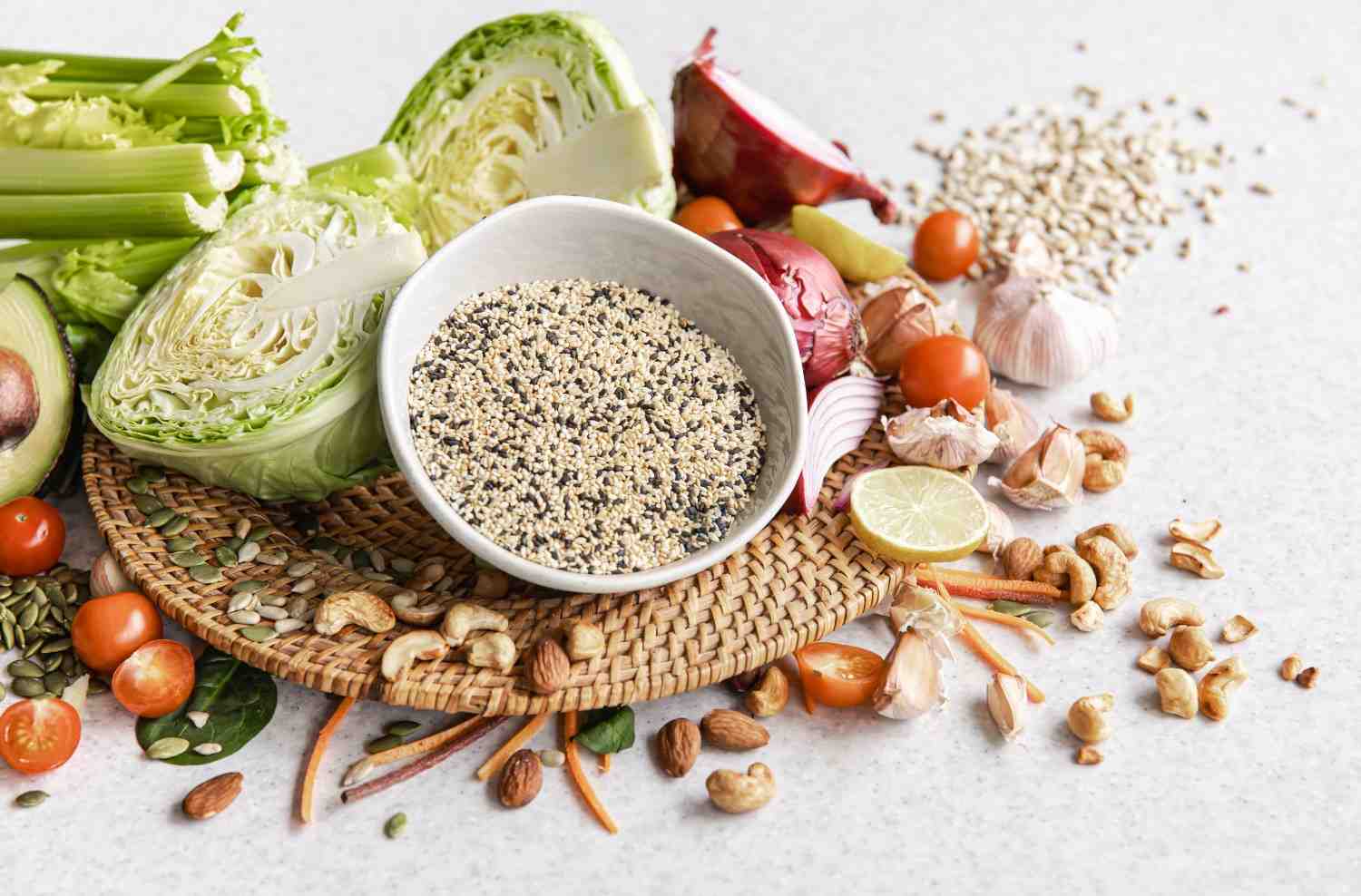
You don’t need a lab or a list of impossible foods. Use a plate formula that’s easy to remember: half colorful vegetables and fruits, a quarter lean protein (think fish often), and a quarter whole grains. Add a small handful of nuts and a daily cup of green tea or citrus. Sprinkle in two egg yolks a week if you tolerate them.
Practical swaps:
- Replace potato chips with roasted chickpeas.
- Swap soda for sparkling water with a squeeze of lemon.
- Trade a refined carb bowl for quinoa mixed with kale and roasted salmon.
These are simple changes. They deliver eyes superfood benefits without making life harder.
Supplements: When Food Alone Isn’t Enough
Whole foods come first. But sometimes supplements are useful — for people with restricted diets, absorption issues, or documented deficiencies. Clinical trials support certain formulas with lutein, zeaxanthin, omega-3s, and vitamins C and E for specific eye conditions.
Talk to your ophthalmologist and a registered dietitian before starting anything. Use supplements as targeted tools, not emotional band-aids. They should complement a nutrient-rich diet, not replace it.
Real-Life Wins: What People Notice
I hear from readers who swapped one meal a day and saw results: less glare at night, fewer itchy episodes, and reduced dependence on artificial tears. One woman told me her annual eye exam showed no progression of early macular changes after a year of dietary shifts. These aren’t miracles. They’re the cumulative product of consistent, sensible nutrition.
When you work on your diet, your vision responds in steady, measurable ways. That’s the power of eyes superfood benefits done consistently.
Science and Authority Behind These Claims
This isn’t guesswork. Authoritative sources — top university ophthalmology centers and national eye institutes — have published research on carotenoids, omega-3s, antioxidants, and blood sugar control as they relate to eye health. Major journals report improved clinical outcomes tied to dietary patterns and targeted nutrients. When you choose foods rich in these compounds, you’re following advice used by eye specialists and nutrition scientists.
If you want to read further, look to university research and hospital recommendations that connect diet and eye outcomes. They make the case clearly: food matters for vision.
Simple Weekly Meal Plan To Get Started
Here’s a short, realistic plan you can use next week:
- Monday: Salmon, quinoa, steamed spinach.
- Tuesday: Omelet with eggs, kale, and a side of blueberries.
- Wednesday: Chickpea salad with bell peppers and citrus dressing.
- Thursday: Grilled trout with roasted sweet potatoes and broccoli.
- Friday: Sardine toast on whole-grain bread with mixed greens.
- Saturday: Lentil stew with carrots and a green salad.
- Sunday: Roasted chicken, beet salad, and a cup of green tea.
These choices pile up eyes superfood benefits across the week without drama.
Lifestyle Tips That Amplify Food Benefits
Food matters, but so do sleep, screen breaks, and regular eye exams. Use the 20-20-20 rule: every 20 minutes look at something 20 feet away for 20 seconds. Wear sunglasses to block UV damage. Manage stress and sleep well; both influence inflammatory responses that affect ocular health.
When you combine lifestyle habits with nutrition, the eyes superfood benefits multiply. It’s compounding care — small daily acts that deliver real results.
When To See A Professional
If you notice sudden changes in vision, flashes, floaters, or new pain, see an eye care professional immediately. For chronic issues like progressive macular changes or diabetic eye disease, work with a specialist to combine medical management with dietary adjustments.
Using eyes superfood benefits is complementary, not a replacement for medical care when it’s needed.
Bottom Line
Eating for your eyes is honest, tangible work. The right foods — rich in lutein, zeaxanthin, omega-3s, vitamins A, C, and E — protect the macula, improve lubrication, stabilize vision, and slow lens clouding. You can build these choices into any life, no drama, no extremes. Start small, pick a few swaps, and let benefits accumulate.
Be kind to your sight. Feed it the nutrients it asks for, and it will return the favor in sharper mornings, clearer nights, and years of steady vision. You owe yourself that clarity.
FAQ
What Are The Best Single Foods For Eye Health?
Leafy greens like kale and spinach, fatty fish such as salmon, eggs, citrus fruits, and berries rank top. These provide lutein, zeaxanthin, omega-3s, vitamin C, and antioxidants that are repeatedly linked to better eye outcomes.
Can Supplements Replace Diet For Eye Health?
Supplements can help when diet falls short, but whole foods offer a package of nutrients and bioactive compounds supplements don’t fully replicate. Consult an eye specialist and a dietitian before relying on supplements.
How Long Until I See Benefits From Dietary Changes?
Some improvements, like reduced dry-eye symptoms, can appear within weeks. Structural benefits, such as reduced progression of macular changes, show over months to years. Consistency is essential.
Are There Foods I Should Avoid For My Eyes?
Highly processed foods and excessive added sugar can worsen inflammation and blood sugar control, which harms ocular health. Limit refined carbs and sugary drinks to protect your vision.
How Often Should I Get Eye Exams If I’m Making Dietary Changes?
Follow your eye doctor’s recommendation. If you have risk factors like diabetes or a family history of eye disease, schedule regular checkups and discuss dietary strategies at those visits.
References
- The National Eye Institute provides guidance on nutrients related to eye health and macular degeneration (http://www.nei.nih.gov).
- Harvard T.H. Chan School of Public Health discusses the role of diet and nutrients in eye disease prevention (http://www.hsph.harvard.edu/nutritionsource).
- The American Academy of Ophthalmology offers patient resources about omega-3s, carotenoids, and dietary strategies for eye conditions (http://www.aao.org).
Get Your FREE Natural Health Guide!
Subscribe now and receive our exclusive ebook packed with natural health tips, practical wellness advice, and easy lifestyle changes — delivered straight to your inbox.