

Fortifying Your Defenses: Holistic Remedies for a Robust Immune System
Nurturing your body’s innate protective mechanisms stands as a cornerstone of lasting wellness. A well-functioning immune system acts as a sophisticated network, constantly working to maintain balance and vitality.
Embracing a holistic perspective means recognizing the intricate connection between lifestyle, nutrition, and environmental factors. It’s about empowering your body with foundational support, not just addressing symptoms in isolation.
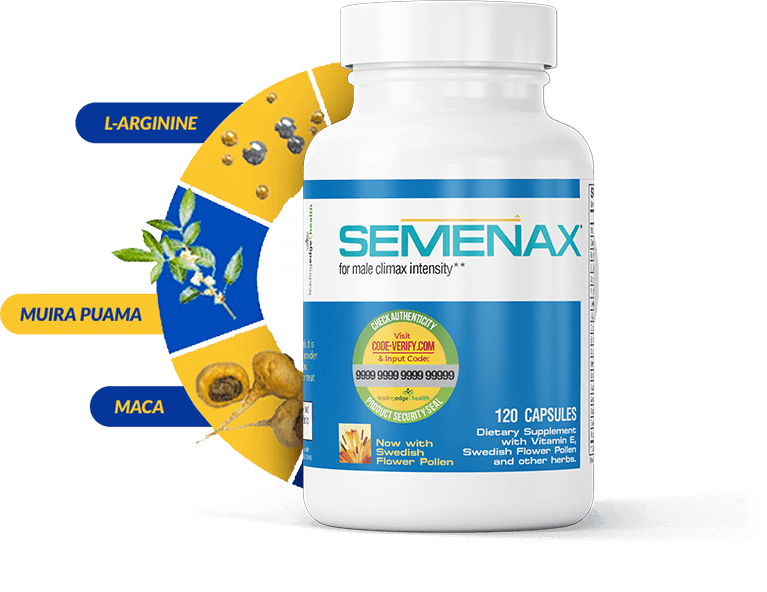
Semenax™ Volume & Vitality Formula
- Designed to work seamlessly with male physiology to provide specialized nutritional support
- Encourages consistent performance, physical endurance, and natural bodily balance
- Manufactured in a cGMP-compliant, FDA-registered facility without synthetic interventions
This guide explores ten powerful holistic remedies, offering deep insights into how you can naturally support your immune system. These approaches center on building resilience from within, integrating traditional wisdom with modern understanding.
The Foundational Pillars of Immune Resilience
A truly robust immune system doesn’t rely on a single magic bullet. It thrives on consistent support across multiple aspects of daily life. Neglecting foundational elements can undermine even the most potent botanical interventions.
Consider these pillars as the essential building blocks. They create an environment where your body can perform its protective functions with greater efficiency and ease. This comprehensive strategy is what makes holistic remedies so effective.
Prioritizing these core areas first lays the groundwork for all other targeted approaches. Without them, specific nutrients or herbs might offer only temporary benefits, failing to address underlying imbalances.
Establishing Healthy Sleep Patterns
Quality sleep is non-negotiable for immune health. During sleep, your body undertakes essential repair processes and produces key immune cells called cytokines. These small proteins play a vital role in cellular communication.
Chronic sleep deprivation can alter the production of these protective cytokines. It also affects the activity of natural killer cells, which are frontline defenders. Consistent, restorative sleep supports overall immune competence.
Melatonin, often associated with sleep regulation, also exhibits properties that support immune function. Its production naturally increases in darkness, highlighting the importance of a dark, quiet sleep environment.
- Active Compound: Melatonin, various cytokines
- Best Used For: Restorative cellular repair, immune cell production
- Mechanism of Action: Supports biological rhythms, facilitates cellular regeneration
Optimal Bedtime Preparation
Aim for seven to nine hours of quality sleep each night. Establish a consistent bedtime and wake time, even on weekends, to regulate your internal body clock. Create a cool, dark, and quiet bedroom environment.
Strategic Stress Management
Chronic stress creates a cascade of physiological responses that can impact immune function. The sustained release of stress hormones, like cortisol, can influence immune cell behavior. Short bursts of stress are normal, but prolonged periods present challenges.
Cortisol, while important for certain functions, can, when consistently elevated, alter the balance of immune responses. This doesn’t mean your immune system shuts down, but its ability to respond appropriately might shift. Managing stress helps maintain a more balanced physiological state.
Mindfulness practices, deep breathing, and spending time in nature are simple, yet profound, tools. They help modulate the body’s stress response, fostering a calmer internal environment. This allows immune cells to operate more harmoniously.
- Active Compound: Endorphins, regulated neurotransmitters
- Best Used For: Balancing physiological responses, promoting mental calm
- Mechanism of Action: Modulates stress hormone release, supports nervous system equilibrium
Daily Mindful Practice
Incorporate daily practices such as meditation, gentle yoga, or spending fifteen minutes in nature. Find methods that genuinely reduce feelings of tension and promote a sense of inner peace.
Nutrient Dense Whole Foods
The saying “you are what you eat” holds profound truth for immune health. A diet rich in whole, unprocessed foods provides the essential vitamins, minerals, and phytonutrients necessary for immune cell development and function. Every meal is an opportunity to nourish your defenses.
Many micronutrients act as essential cofactors in immune processes. Zinc, selenium, iron, and a spectrum of B vitamins are all integral. Antioxidants found abundantly in fruits and vegetables help maintain cellular integrity.
The gut microbiome also plays a central role in immune regulation. A diverse array of beneficial gut bacteria, fostered by fiber-rich plant foods, communicates extensively with the immune system. This interaction influences overall immune responsiveness.
- Active Compound: Vitamins (A, C, D, E), minerals (Zinc, Selenium), phytonutrients, fiber
- Best Used For: Immune cell production, antioxidant defense, gut microbiome support
- Mechanism of Action: Provides essential cofactors, fuels cellular metabolism, fosters beneficial gut flora
Balanced Dietary Approach
Prioritize a wide variety of colorful fruits and vegetables, lean proteins, and healthy fats. Incorporate fermented foods like kimchi or sauerkraut to support gut diversity. Minimize processed foods and refined sugars.
Consistent Physical Movement
Regular, moderate physical activity can support a sense of vitality and overall immune function. It helps people feel more comfortable moving and can complement an active lifestyle. This is distinct from intense, prolonged exertion, which can sometimes have different effects.
Movement facilitates circulation, which helps distribute immune cells throughout the body. This promotes a more efficient surveillance system. Feeling invigorated through activity contributes to a general sense of well-being.
The benefits of consistent movement extend beyond physical aspects. It often contributes to reduced perceived stress, which indirectly supports immune balance. People find regular activity contributes to feeling more energetic.
- Active Compound: Endorphins, improved circulation
- Best Used For: Supporting vitality, distributing immune cells, stress reduction
- Mechanism of Action: Enhances physiological processes, contributes to well-being
Mindful Movement Incorporation
Aim for at least thirty minutes of moderate activity most days of the week. This could be brisk walking, swimming, cycling, or light resistance training. Listen to your body and choose activities you enjoy to ensure consistency.
The Power of Specific Botanicals and Nutrients
While lifestyle forms the bedrock, certain targeted nutrients and botanicals offer specific support for immune processes. These natural compounds have been revered across cultures for their capacity to enhance resilience. They often work through distinct biochemical pathways, complementing the body’s inherent wisdom.
Understanding the unique contributions of each remedy allows for a more personalized and effective approach. It’s about selecting the right tools for your specific needs. This precise support can make a notable difference in maintaining robust defenses.
Remember, this information is educational and not a substitute for medical advice. People with underlying conditions often work with a qualified healthcare professional for personalized guidance before integrating new protocols.
Vitamin C: The Essential Antioxidant
Vitamin C, also known as ascorbic acid, is a water-soluble vitamin renowned for its role in immune health. It functions as a potent antioxidant, helping to protect cells from environmental challenges. This protective action is fundamental for cellular integrity.
It also plays a role in the production of various immune cells, including white blood cells. Vitamin C is concentrated in these cells, suggesting its importance in their function. Research from the National Institutes of Health indicates its widespread physiological roles.
Humans cannot produce Vitamin C endogenously, making dietary intake crucial. Citrus fruits, berries, bell peppers, and broccoli are excellent sources. Regular consumption helps maintain adequate tissue levels.
- Active Compound: Ascorbic acid
- Best Used For: Antioxidant defense, cellular protection, supporting immune cell function
- Mechanism of Action: Acts as an electron donor, participates in collagen synthesis, supports phagocyte activity
Daily Nutritional Intake
Ensure a consistent daily intake through a diet rich in fresh produce. Some people choose to supplement with a bioavailable form, such as an esterified or liposomal vitamin C, especially during times of greater demand.
Vitamin D: The Sunshine Vitamin
Vitamin D is unique among vitamins because it also functions as a hormone in the body. Its receptors are found on nearly all immune cells, indicating its widespread influence on immune function. Sunshine exposure is the primary natural source.
Adequate Vitamin D levels are often discussed in the context of maintaining overall health. It plays a role in regulating both the innate and adaptive immune systems. This broad influence makes it a critical nutrient for resilience.
Many individuals, especially those living in higher latitudes or with limited sun exposure, may have suboptimal Vitamin D levels. Regular testing can help determine personal needs. Dietary sources include fatty fish and fortified foods, though these often provide less than direct sun exposure.
- Active Compound: Cholecalciferol (D3)
- Best Used For: Supporting broad immune regulation, bone health
- Mechanism of Action: Modulates gene expression in immune cells, influences cytokine production
Considered Supplementation Protocol
Regularly assess your Vitamin D levels with a healthcare professional. If levels are low, a high-quality Vitamin D3 supplement, often taken with Vitamin K2 for synergistic benefits, may be recommended under professional guidance.
Zinc: The Immune Mineral
Zinc is an essential trace mineral involved in over 300 enzymatic reactions in the body. Its profound importance in immune function stems from its role in the development and function of immune cells. Even mild deficiencies can impact immune responses.
It acts as a crucial cofactor for T cell development and activation. T cells are a type of white blood cell that plays a central role in cell mediated immunity. Zinc also supports the integrity of the skin and mucous membranes, which are important physical barriers.
Sources of dietary zinc include red meat, poultry, beans, nuts, and whole grains. Oysters are particularly rich. Maintaining sufficient zinc levels is a proactive step toward supporting robust immune defenses.
- Active Compound: Zinc (elemental)
- Best Used For: Immune cell development, antioxidant activity, maintaining barrier function
- Mechanism of Action: Cofactor for numerous enzymes, supports DNA synthesis and repair, modulates T cell activity
Dietary Prioritization
Incorporate zinc-rich foods into your daily diet. If considering supplementation, opt for highly absorbable forms like zinc picolinate, zinc citrate, or zinc glycinate, always mindful of not exceeding recommended daily allowances.
Elderberry (Sambucus nigra): Traditional Immune Support
Elderberry has a long history of use in traditional herbal medicine, particularly for its perceived benefits in supporting the immune system. The berries contain powerful anthocyanins, which are types of flavonoids. These compounds contribute to elderberry’s vibrant color and beneficial properties.
Its historical application suggests a role in helping the body manage seasonal challenges. The rich array of phytonutrients in elderberry are often discussed for their general wellness contributions. Many people use elderberry during cooler months.
The berries are typically consumed as a syrup, extract, or tea. It’s important to note that raw elderberries can be toxic, so always use properly prepared and processed products. Standardized extracts ensure consistent potency.
- Active Compound: Anthocyanins, flavonoids, phenolic acids
- Best Used For: General immune support, seasonal wellness
- Mechanism of Action: Supports cellular defense mechanisms, contributes to antioxidant capacity
Seasonal Wellness Protocol
When considering elderberry, look for high-quality, standardized extracts or syrups. Follow product guidelines carefully. It is often integrated into daily routines during periods when immune support is desired.
Medicinal Mushrooms: Adaptogens for Resilience
Medicinal mushrooms like Reishi (Ganoderma lucidum) and Chaga (Inonotus obliquus) are revered in traditional practices for their adaptogenic qualities. They are not simply foods; they are complex organisms containing unique compounds that interact broadly with physiological systems. Their adaptogenic nature means they help the body respond to stressors.
These mushrooms contain potent compounds such as beta glucans and triterpenes. Beta glucans are complex carbohydrates known for their ability to support immune cell communication. They can influence various immune pathways without overstimulating the system.
Reishi is often called the “mushroom of immortality” and is valued for its calming properties. Chaga, often found growing on birch trees, is rich in antioxidants. Both contribute to a sense of balanced resilience.
- Active Compound: Beta glucans, triterpenes, polysaccharides
- Best Used For: Holistic immune modulation, stress adaptation, antioxidant support
- Mechanism of Action: Supports immune cell communication, contributes to physiological balance
Integrative Daily Use
Incorporating medicinal mushrooms often involves consuming them as powdered extracts in hot water, coffee, or smoothies. Look for dual extracts, which capture both water and alcohol soluble compounds for comprehensive benefits.
Ashwagandha (Withania somnifera): The Calming Adaptogen
Ashwagandha is an ancient Ayurvedic herb, a powerful adaptogen known for its ability to help the body manage stress. By supporting a balanced stress response, Ashwagandha indirectly benefits the immune system. Chronic stress, as discussed, can impact immune function.
The active compounds in Ashwagandha are called withanolides. These unique steroidal lactones are believed to be responsible for many of the herb’s beneficial properties. They contribute to its calming and revitalizing effects.
People often explore Ashwagandha to support a sense of calm and promote restorative sleep, both critical for immune health. By helping to modulate the body’s reaction to stressors, it creates a more conducive environment for immune cells.
- Active Compound: Withanolides
- Best Used For: Stress management, promoting calm, supporting restorative sleep
- Mechanism of Action: Supports the adrenal system, helps balance cortisol levels, fosters nervous system equilibrium
Consistent Daily Supplementation
Ashwagandha can be taken as a standardized extract, often in capsule form. Follow product instructions carefully. It’s commonly used daily for sustained adaptogenic support, particularly during periods of perceived stress.
Comparing Key Immune Support Compounds
Understanding the distinct roles of various compounds can help in formulating a comprehensive wellness strategy. While many nutrients offer overlapping benefits, their primary mechanisms differ. This table outlines the core contributions of several essential elements.
This comparison is intended for educational purposes, highlighting the unique strengths of each. A synergistic approach often yields the most beneficial outcomes, rather than relying on a single compound in isolation.
Remember that individual needs vary. What supports one person effectively might differ for another. Always consider your personal health landscape when making choices about nutritional support.
| Compound | Primary Benefit Category | Key Action |
|---|---|---|
| Vitamin C | Antioxidant & Cellular Protection | Neutralizes free radicals, supports white blood cell function |
| Vitamin D | Immune Modulation | Regulates immune cell activity, influences genetic expression |
| Zinc | Immune Cell Development | Cofactor for T cell development, maintains barrier integrity |
| Elderberry | General Immune & Antioxidant | Rich in anthocyanins, supports cellular defense |
| Beta Glucans (Mushrooms) | Immune System Communication | Supports macrophage and natural killer cell activity |
| Withanolides (Ashwagandha) | Stress Adaptation | Helps balance cortisol, promotes calm |
Frequently Asked Questions
Can lifestyle changes really make a significant difference to my immune system?
Absolutely. Lifestyle factors like sleep quality, stress management, nutrition, and physical activity are foundational to immune health. They provide the consistent support your body needs to maintain its protective functions effectively.
Are there any potential interactions between these natural remedies and other health considerations?
Some botanical remedies or high doses of certain nutrients can interact with medications or existing health conditions. It’s always a good idea to discuss any new supplements or significant dietary changes with a qualified healthcare professional, especially if you have underlying health concerns.
How long does it take to see benefits from implementing holistic immune support strategies?
Changes in diet and lifestyle begin to influence your body’s systems immediately. However, consistent and sustained practice over weeks or months generally yields more noticeable and lasting benefits. Building resilience is a continuous process.
Is it possible to “over-boost” my immune system with these remedies?
Holistic remedies, especially adaptogens and nutrient rich foods, aim to support balance and modulate immune function rather than simply “boost” it. The goal is to help your immune system operate optimally, not to hyper-stimulate it. Always adhere to recommended usage for any supplements.
The Bottom Line
Cultivating a robust immune system is an ongoing journey, deeply rooted in mindful lifestyle choices and strategic nutritional support. It isn’t about quick fixes but about empowering your body’s innate capabilities through consistent, holistic care.
Embrace the synergy of quality sleep, effective stress management, nutrient rich foods, consistent movement, and targeted botanical support. These foundational elements work in concert to build a resilient and responsive defense system.
Consider integrating these principles into your daily routine. Prioritize one area to focus on this week, perhaps improving your sleep hygiene or adding a new whole food to your diet. Small, consistent steps build powerful, lasting wellness.
Get Your FREE Natural Health Guide!
Subscribe now and receive our exclusive ebook packed with natural health tips, practical wellness advice, and easy lifestyle changes, delivered straight to your inbox.