


Supporting Bladder Wellness: Practical Exercises to Engage Bladder Muscles
Maintaining a sense of foundational wellness often involves an awareness of various body systems. For many, supporting the muscles that contribute to bladder function is a key aspect of feeling comfortable and confident in daily life. This isn’t about clinical outcomes, but rather about encouraging a general sense of internal support.
These seven simple exercises can help people engage and acknowledge the important muscles that assist bladder wellness. They are designed for general fitness and a more attuned connection to one’s own body. People with underlying conditions often work with a qualified healthcare professional for personalized guidance.
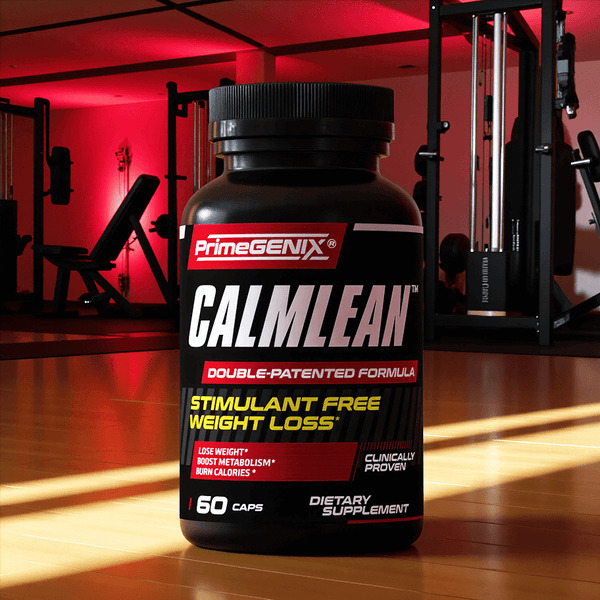
CalmLean™ Stimulant-Free Metabolism Support
- Engineered with ForsLean® to support metabolic baseline without caffeine
- 100% stimulant-free formulation avoids energy crashes and jitters
- Manufactured in a cGMP-compliant, FDA-registered facility
This information is educational and not a substitute for medical advice. Exploring these movements can complement an active lifestyle and a focus on overall comfort.
Understanding the Pelvic Floor and Bladder Muscle Connection
The bladder itself is a remarkable organ, designed for storage and release. Its walls contain smooth muscle, and its function is intricately linked to a group of skeletal muscles known as the pelvic floor. These muscles form a sling-like structure at the base of your pelvis, providing support for the bladder, bowels, and for women, the uterus.
The pelvic floor muscles play a foundational role in many daily activities, contributing to comfort during movement and various bodily functions. When these muscles are engaged, they can help support the natural processes that maintain bladder wellness. Conversely, when they are less engaged, some individuals may feel a reduced sense of internal support.
Developing an awareness of these muscles is a primary step. It is not about intense training but about gentle engagement and consistent, mindful attention. Integrating simple, regular movements can help foster this connection without specific clinical targets.
Historical Perspectives on Pelvic Floor Engagement
The concept of engaging the pelvic floor muscles is not a modern invention. Ancient yogic and martial arts practices often incorporated techniques to draw attention to this core area of the body. These traditions understood the deep connection between the pelvic region and overall bodily stability and energy.
While not explicitly framed in terms of “bladder muscle strengthening,” these historical methods often focused on cultivating internal awareness and control. They suggested that a strong internal core, which inherently involves the pelvic floor, contributed to a sense of grounding and physical resilience. This emphasis on mindful engagement offers a rich historical context for today’s wellness practices.
Modern understanding, supported by institutions like the National Institute of Diabetes and Digestive and Kidney Diseases, further illustrates the anatomical significance. It shows how these muscles are integral to the body’s natural architecture, providing a foundational layer of support.
1. Pelvic Floor Contraction (The “Kegel”)
The pelvic floor contraction, often referred to as a Kegel exercise, is perhaps the most well known method for engaging these important muscles. It focuses directly on the muscles that cradle the bladder and other pelvic organs. The goal is a gentle lift and squeeze, not a forceful clench.
This exercise helps individuals develop a heightened sense of awareness of their pelvic floor. By isolating these muscles, people can better understand how they contribute to a feeling of internal support. It’s about learning to identify and work with these muscles in a controlled way.
Regular, gentle engagement can contribute to a general feeling of comfort and confidence in the pelvic region. It encourages a healthy tone without aiming for specific medical outcomes. The focus remains on educational awareness and self-care.
- Focus Area: Pubococcygeus muscle, entire pelvic floor sling.
- Potential Benefit: Supports general pelvic comfort, encourages muscle awareness.
- Common Pitfall: Engaging abdominal or gluteal muscles instead.
Recommended Protocol
To perform this, gently squeeze the muscles as if stopping the flow of urine, or holding back gas, and lift upwards. Hold for a few seconds, then fully release.
2. Bridge Pose
The bridge pose, a common yoga and fitness exercise, helps engage the pelvic floor indirectly by working adjacent muscle groups. This movement primarily targets the glutes and hamstrings, but to stabilize the pelvis and lift the hips, the pelvic floor muscles naturally activate in concert.
This exercise promotes a broader sense of core stability, which includes the pelvic region. When the glutes and deep core muscles work together, they create a supportive environment for the bladder and other internal structures. It is a more holistic approach to pelvic wellness.
The gentle upward movement against gravity can encourage a subtle but effective engagement of the pelvic floor, fostering a feeling of integrated strength throughout the lower torso. It helps connect the pelvic floor to the larger system of bodily movement.
- Focus Area: Glutes, hamstrings, lower back, indirect pelvic floor engagement.
- Potential Benefit: Promotes overall core stability, enhances body awareness.
- Common Pitfall: Arching the lower back excessively, straining the neck.
Usage Instructions
Lie on your back with knees bent and feet flat on the floor, hip-width apart. Lift your hips off the floor, forming a straight line from shoulders to knees, engaging your glutes and a subtle pelvic floor lift.
3. Squats
Squats are a fundamental compound exercise that involve multiple muscle groups, including those in the legs, glutes, and core. When performed with proper form, the squat encourages a dynamic engagement of the pelvic floor muscles as the body lowers and rises.
During the downward phase of a squat, the pelvic floor muscles naturally lengthen, and as you push back up, they subtly contract. This rhythmic engagement can contribute to the elasticity and responsiveness of these muscles. It is not just about strength but about adaptive movement.
This exercise integrates pelvic floor awareness into a functional movement pattern used in daily life. It helps individuals understand how their pelvic floor contributes to everyday actions like sitting, standing, and lifting. This is about practical, integrated support.
- Focus Area: Quadriceps, glutes, core, dynamic pelvic floor engagement.
- Potential Benefit: Supports functional movement, encourages muscle elasticity.
- Common Pitfall: Rounding the back, letting knees cave inwards.
Application Method
Stand with feet hip-width apart, toes slightly out. Lower your hips as if sitting in a chair, keeping your chest up and core engaged, allowing a natural stretch and then engagement of the pelvic floor as you return to standing.
4. Bird-Dog Exercise
The bird-dog exercise is excellent for developing core stability and balance, which inherently involves the pelvic floor. This movement requires a stable trunk while the limbs are extended, forcing the deeper stabilizing muscles to activate.
When you extend an arm and the opposite leg, your body naturally recruits the pelvic floor muscles to prevent rotation and maintain spinal alignment. This engagement is often subtle but consistent, contributing to endurance in these supporting muscles. It fosters a sense of coordinated strength.
This exercise helps connect the pelvic floor to the broader kinetic chain, emphasizing its role in maintaining stability throughout the torso. It moves beyond isolated contractions to integrated muscular support. This supports a comprehensive approach to body wellness.
- Focus Area: Core stabilizers, lower back, glutes, integrated pelvic floor support.
- Potential Benefit: Enhances balance and spinal stability, encourages coordinated muscle action.
- Common Pitfall: Arching the back, losing core engagement.
Specific Directions
Start on all fours, hands under shoulders and knees under hips. Extend one arm forward and the opposite leg straight back, keeping your torso stable and engaging your deep core, including a gentle pelvic floor lift.
5. Deep Breathing with Pelvic Floor Awareness
Deep diaphragmatic breathing is a powerful tool for overall relaxation and can also be used to gently engage the pelvic floor muscles. The diaphragm and the pelvic floor move in tandem with each breath cycle, creating a natural rhythm of release and subtle engagement.
As you inhale deeply, allowing your belly to expand, the diaphragm descends, and the pelvic floor gently releases downwards. As you exhale, the diaphragm rises, and the pelvic floor naturally lifts and contracts. This synchronized movement is often overlooked but profoundly impactful.
This practice is less about “strengthening” and more about enhancing awareness and promoting natural muscle elasticity. It encourages a mindful connection between breath, core, and pelvic floor, supporting a sense of calm and integrated bodily function. It’s a foundational practice.
- Focus Area: Diaphragm, abdominal muscles, rhythmic pelvic floor movement.
- Potential Benefit: Promotes relaxation, enhances body awareness, encourages natural muscle rhythm.
- Common Pitfall: Shallow chest breathing, forcing the pelvic floor movement.
Execution Steps
Lie comfortably on your back or sit upright. Place one hand on your chest and one on your belly. Inhale deeply through your nose, allowing your belly to rise, and feel a gentle release in your pelvic floor. Exhale slowly through your mouth, feeling your belly fall and your pelvic floor subtly lift.
6. Wall Sits
Wall sits are an isometric exercise that challenge the leg and core muscles, including indirect engagement of the pelvic floor for stabilization. Holding a static squat position against a wall can significantly build endurance in the supporting muscle groups.
To maintain proper form during a wall sit, the body naturally recruits core stabilizers, which include the pelvic floor muscles. The sustained tension in the lower body encourages a continuous, low-level activation of these internal support structures. This builds foundational endurance.
This exercise provides a safe way to explore sustained muscle engagement without complex movements. It helps individuals understand the feeling of sustained internal support, fostering a greater awareness of their deep core and pelvic floor. It supports a feeling of stability.
- Focus Area: Quadriceps, glutes, core stability, sustained pelvic floor engagement.
- Potential Benefit: Builds muscular endurance, encourages sustained internal support.
- Common Pitfall: Sliding down too low, losing abdominal engagement.
Instructional Guide
Lean your back against a wall, then slide down until your knees are bent at a 90-degree angle, as if sitting in an invisible chair. Hold this position, ensuring your core is engaged and maintaining a gentle awareness of your pelvic floor.
7. Pilates Roll-Ups
Pilates roll-ups are a controlled core exercise that emphasizes spinal articulation and deep abdominal engagement, which directly correlates with pelvic floor activation. This movement requires coordinated strength through the entire torso.
As you slowly roll up and down, the deep abdominal muscles (transversus abdominis) work synergistically with the pelvic floor to stabilize the spine. This coordinated effort helps to enhance the functional strength and responsiveness of these core support muscles. It promotes integrated movement.
This exercise is particularly effective for connecting breath with movement and core engagement. It helps individuals develop a more sophisticated understanding of their internal musculature, fostering a sense of fluidity and control in the torso. This supports refined body awareness.
- Focus Area: Deep abdominal muscles, spinal articulators, coordinated pelvic floor action.
- Potential Benefit: Enhances core control, improves spinal mobility, supports integrated muscle function.
- Common Pitfall: Using momentum, rushing the movement, straining the neck.
Method of Practice
Lie on your back with arms extended overhead. Inhale to prepare, then as you exhale, slowly peel your spine off the floor, one vertebra at a time, reaching for your toes. Reverse the movement to slowly roll back down, maintaining deep core and pelvic floor engagement throughout.
Comparing Pelvic Floor Engagement Approaches
Different exercises offer unique pathways to engaging the pelvic floor and supporting bladder wellness. Some are direct, others more integrated. Understanding these nuances can help in selecting practices that best fit individual comfort and goals.
| Exercise | Primary Engagement Type | Ease of Integration | Key Consideration |
|---|---|---|---|
| Pelvic Floor Contraction (Kegel) | Direct, isolated | Very easy (anywhere, anytime) | Ensure proper muscle isolation. |
| Bridge Pose | Indirect, glute/core driven | Moderate (requires floor space) | Focus on hip lift and glute activation. |
| Squats | Dynamic, functional | Moderate (good form essential) | Maintain upright posture, knees tracking over toes. |
| Bird-Dog | Core stability, balance | Moderate (requires coordination) | Keep spine neutral, avoid arching. |
| Deep Breathing | Rhythmic, awareness focused | Very easy (can be done anywhere) | Prioritize diaphragmatic breathing. |
| Wall Sits | Isometric, endurance | Moderate (requires a wall) | Maintain 90-degree knee bend. |
| Pilates Roll-Ups | Coordinated, full core | Challenging (requires control) | Move slowly with breath, focus on each vertebra. |
Common Pitfalls in Pelvic Muscle Engagement
When people begin to explore exercises for supporting bladder muscles, several common issues can arise. Understanding these can help individuals approach their practice more effectively and with greater awareness. The goal is gentle engagement, not strain.
One common mistake is using accessory muscles, such as the glutes, thighs, or abdominals, to perform what should be a targeted pelvic floor contraction. This often leads to inefficient engagement and a reduced sense of the actual pelvic floor movement. It is important to focus on isolating the correct muscles through subtle internal awareness.
Another pitfall is holding the breath. Many individuals instinctively hold their breath during exercise, especially when trying to engage deep core muscles. However, connecting breath with movement, particularly during pelvic floor exercises, enhances natural muscle function and promotes relaxation. Conscious breathing is key.
Excessive force or overdoing it can also be counterproductive. The pelvic floor muscles respond best to gentle, consistent engagement rather than intense, prolonged contractions. Overuse can lead to muscle fatigue or tension, which is the opposite of the desired effect for comfort and wellness. Patience and moderation are vital.
Integrating Hydration and Lifestyle
Beyond specific exercises, a holistic approach to bladder wellness also includes thoughtful lifestyle considerations, particularly regarding hydration. Water is essential for overall health, and its role in maintaining comfortable bladder function is often discussed.
The common advice is to maintain adequate hydration without overdoing it. Drinking enough water supports kidney function and helps keep urine from becoming overly concentrated, which can sometimes contribute to a feeling of irritation. The precise amount varies for individuals, but a general guideline is to listen to your body’s cues.
People sometimes reduce their fluid intake in an attempt to lessen trips to the restroom. However, this strategy can backfire, potentially leading to more concentrated urine and a greater sense of urgency. A balanced approach to hydration, combined with regular, gentle physical activity, often works best for overall comfort.
Frequently Asked Questions
How often should I perform these exercises?
Most people find that incorporating these exercises daily or several times a week, with short sessions, offers a good balance for consistent engagement. Consistency is generally more impactful than intensity for supporting muscle awareness and comfort.
Can these exercises help with bladder comfort during physical activity?
Many individuals report that consistent engagement of the pelvic floor muscles contributes to a greater sense of support and comfort during various physical activities, from walking to more vigorous exercise. This is about building a foundational sense of internal stability.
What if I am unsure if I am engaging the correct muscles?
If you are uncertain about engaging the correct muscles, it can be helpful to visualize the action described. For pelvic floor contractions, imagining a gentle lift and squeeze is often more effective than forceful effort. Some people find that working with a qualified healthcare professional who specializes in pelvic health can provide personalized guidance.
Are there any particular times of day that are best for these exercises?
There is no universally “best” time; the most effective time is usually when you can consistently integrate them into your routine. Some people prefer morning sessions, while others find evening practice more suitable for winding down.
The Bottom Line
Supporting bladder muscles through mindful exercise is an aspect of general wellness and body awareness. These seven exercises offer accessible pathways to engage the pelvic floor and surrounding core muscles, fostering a sense of internal support and comfort. Consistent, gentle practice, combined with a balanced lifestyle, contributes to overall well-being. Consider integrating these movements into your daily routine to enhance your body’s natural comfort and function.
Get Your FREE Natural Health Guide!
Subscribe now and receive our exclusive ebook packed with natural health tips, practical wellness advice, and easy lifestyle changes, delivered straight to your inbox.





