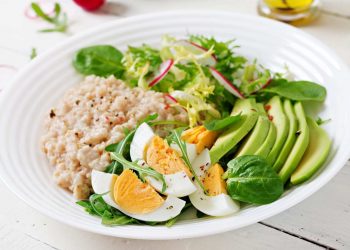
Did you know that nearly 54 million Americans are at risk of osteoporosis? That’s a staggering number! Many of us think of bone health as something we only need to worry about later in life, but the truth is, taking care of our bones starts much earlier. While calcium and vitamin D often steal the spotlight, several power plants can naturally enhance your bone health. Let’s dive into seven of these botanical wonders and explore how they can help keep your bones strong and resilient.
Contents
1. Kale: The Leafy Green Powerhouse
Kale isn’t just a trendy salad ingredient; it’s also a robust source of nutrients that support bone health. Packed with calcium, vitamin K, and magnesium, kale helps in maintaining bone density and preventing fractures.
Why Kale?
- Calcium Content: One cup of cooked kale provides about 180 mg of calcium, which is crucial for bone structure.
- Vitamin K: This vitamin plays a vital role in bone metabolism and helps prevent osteoporosis. Studies show that adequate vitamin K intake is associated with higher bone mineral density (Zhao et al., 2015).
Pros and Cons
Pros: Versatile in cooking, easy to incorporate into smoothies, salads, and soups.
Cons: Some people might find it tough to digest raw kale. Cooking it can help break down the fibers.
2. Broccoli: The Bone-Boosting Brassica
Broccoli is another leafy green that deserves a shout-out. It’s rich in calcium, magnesium, and vitamin K, which all contribute to bone health.
Benefits of Broccoli
- High in Nutrients: Just one cup of cooked broccoli contains about 62 mg of calcium and is loaded with vitamins C and K.
- Antioxidant Properties: Broccoli is rich in antioxidants that may help reduce inflammation, which is beneficial for bone health.
Pros and Cons
Pros: Can be enjoyed raw or cooked, making it easy to incorporate into various dishes.
Cons: Some individuals may experience gas or bloating from cruciferous vegetables like broccoli.
3. Almonds: The Nutty Nutrient Bomb
Almonds are not just a snack; they’re a fantastic source of calcium and healthy fats that support bone integrity.
Why Almonds?
- Calcium and Magnesium: A one-ounce serving of almonds contains about 76 mg of calcium and is also rich in magnesium, which is essential for bone health.
- Vitamin E: This antioxidant helps protect bone health by reducing oxidative stress.
Pros and Cons
Pros: Easy to carry, making them a great on-the-go snack.
Cons: High in calories, so moderation is key.
4. Sesame Seeds: Tiny but Mighty
These little seeds pack a powerful punch when it comes to bone health. They’re a great source of calcium and other essential minerals.
Benefits of Sesame Seeds
- Calcium-Rich: Just one tablespoon of sesame seeds provides about 88 mg of calcium.
- Phytosterols: These compounds may help reduce cholesterol and promote overall heart health, which is beneficial since cardiovascular health is closely linked to bone health.
Pros and Cons
Pros: Can be added to salads, smoothies, or even baked goods for a nutritional boost.
Cons: Some people may be allergic to sesame seeds.
5. Oranges: The Citrus Superstar
Oranges are often celebrated for their vitamin C content, but they also play a role in bone health.
Why Oranges?
- Vitamin C: Essential for collagen formation, which is crucial for bone strength and structure.
- Calcium: A medium orange contains about 60 mg of calcium.
Pros and Cons
Pros: Refreshing and hydrating, making them perfect for a quick snack.
Cons: High in sugars if consumed in excess.
6. Figs: Nature’s Sweet Treat
Figs aren’t just delicious; they’re also a fantastic source of calcium and fiber.
Benefits of Figs
- Calcium Content: Dried figs contain about 241 mg of calcium per 100 grams, making them a sweet way to boost your intake.
- Fiber: Helps in digestion and may reduce the risk of osteoporosis.
Pros and Cons
Pros: A tasty addition to salads, oatmeal, or as a healthy dessert.
Cons: Can be high in sugar, so moderation is key.
7. Spinach: The Nutrient-Dense Green
Spinach is a well-known leafy green that’s loaded with nutrients essential for bone health.
Why Spinach?
- Vitamin K and Calcium: One cup of cooked spinach provides about 245 mg of calcium and is also high in vitamin K, which is necessary for bone health.
- Oxalates: Spinach contains oxalates, which can inhibit calcium absorption, so it’s best consumed in moderation.
Pros and Cons
Pros: Versatile and can be added to a variety of dishes.
Cons: The presence of oxalates may limit calcium absorption.
FAQs
1. How much calcium do I need daily for bone health?
Most adults need about 1,000 mg of calcium per day. Women over 50 and men over 70 should aim for 1,200 mg.
2. Can I get enough calcium from plant sources alone?
Yes, many plant foods are rich in calcium. It’s possible to meet your calcium needs through a well-planned plant-based diet.
3. Is vitamin D necessary for calcium absorption?
Absolutely! Vitamin D plays a crucial role in calcium absorption, so ensure you get adequate sunlight exposure or consider supplementation.
4. Are there any risks to consuming too much calcium?
Yes, excessive calcium intake can lead to kidney stones and may interfere with the absorption of other minerals. Moderation is key!
Conclusion
So, there you have it! Incorporating these seven power plants into your diet can significantly boost your bone health naturally. From kale and broccoli to almonds and figs, there’s a variety of delicious options to choose from. Remember, while these foods can help, maintaining a balanced diet, staying active, and consulting with a healthcare provider are all crucial components of bone health.
Let’s be proactive about our bone health—after all, we only get one set of bones in this lifetime!
This article is for educational purposes only and is not a substitute for professional medical advice. Always consult a qualified healthcare provider before making changes to your health routine.
References
- Zhao, X., et al. (2015). Vitamin K and bone metabolism: A review. Journal of Nutrition, 145(7), 1435-1440. https://doi.org/10.3945/jn.115.215878
- National Institutes of Health. (n.d.). Calcium. Retrieved from https://ods.od.nih.gov/factsheets/Calcium-HealthProfessional/
- Mayo Clinic. (n.d.). Osteoporosis: Prevention. Retrieved from https://www.mayoclinic.org/diseases-conditions/osteoporosis/symptoms-causes/syc-20314484
Get Your FREE Natural Health Guide!
Subscribe now and receive our exclusive ebook packed with natural health tips, practical wellness advice, and easy lifestyle changes — delivered straight to your inbox.