Exploring Sage Tea for Endocrine Wellness
Sage, a revered herb with a history stretching back centuries, offers more than just a culinary contribution. For generations, people have valued its aromatic leaves in various wellness practices.
Modern understanding delves into the rich composition of compounds found within sage, which are often discussed in relation to overall well-being. This exploration focuses on how sage tea for hormone health can be a topic of interest for those seeking natural approaches to support their body’s balance.
When infused as a tea, sage provides a gentle way to incorporate its potential benefits. Understanding its traditional applications and contemporary insights can illuminate why many consider it for supporting various bodily systems, including the endocrine system.
1. Supporting Menopausal Comfort
Many individuals exploring natural ways to manage the transitional period of menopause often discuss sage. Hot flashes and night sweats are common experiences during this time, and some find comfort in traditional botanical preparations.
The compounds present in sage are often associated with general body temperature regulation. While not a direct treatment, the herb may help foster a sense of equilibrium within the body as it navigates hormonal shifts.
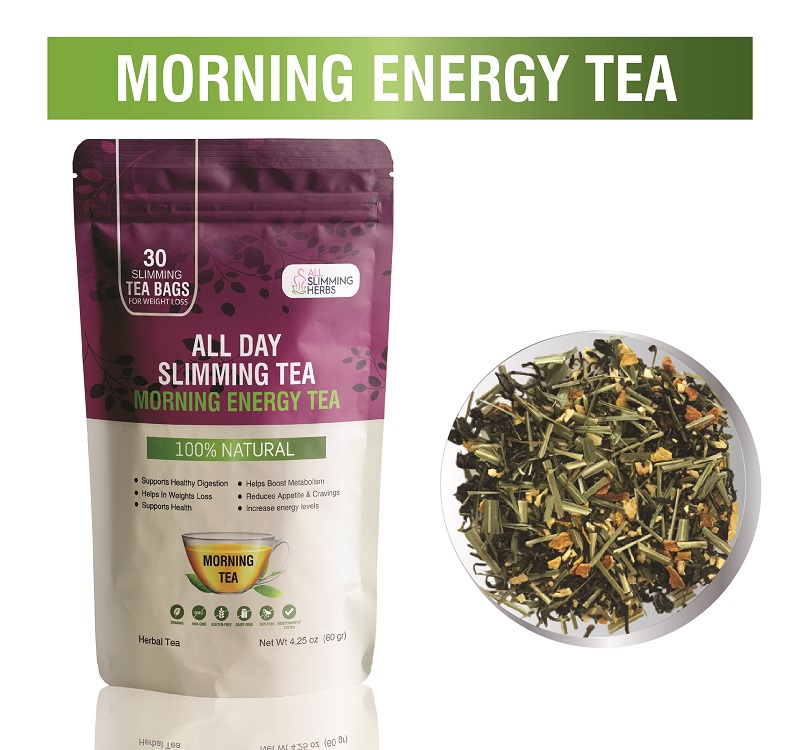
All Day Slimming Tea™ Herbal Routine
- Designed to gently support your body's natural metabolic rhythm throughout the day
- Helps maintain consistent daily vitality and steady physical balance
- Manufactured in a cGMP-compliant facility without relying on heavy coffee or synthetic stimulants
People exploring menopausal support frequently turn to time-honored remedies. Sage tea represents one such botanical option, valued for its historical use in promoting a more comfortable experience during menopause.
- Active Compound: Thujone, Rosmarinic Acid, Flavonoids
- Best Used For: Promoting a sense of comfort during menopausal transitions.
- Wellness Support Pathway: May help support general thermoregulation and relaxation.
Preparation Protocol
Prepare sage tea by steeping a teaspoon of dried sage leaves in hot water for about five to seven minutes. Strain before enjoying, allowing the aromatic compounds to infuse properly.
2. Promoting Menstrual Cycle Balance
The menstrual cycle involves a dynamic interplay of hormones, and some people seek natural methods to support its regularity and associated comfort. Sage has a history of traditional use in discussions around the female reproductive system.
During various phases of the menstrual cycle, individuals may experience discomfort or fluctuations in mood. Certain botanicals, including sage, are often considered for their potential to contribute to a feeling of overall balance and ease.
Incorporating sage tea into a daily routine can be part of a broader wellness strategy for individuals looking to support their body’s natural rhythms. This is often an area of personal exploration and discussion with healthcare professionals.
- Active Compound: Phytoestrogens, Tannins, Volatile Oils
- Best Used For: Exploring support for a comfortable menstrual cycle.
- Wellness Support Pathway: May contribute to overall bodily equilibrium.
Usage Instructions
Infuse fresh or dried sage leaves in hot water to make a tea. Many find that enjoying this beverage regularly can be a pleasant addition to their wellness regimen throughout the month.
3. Antioxidant Support for Endocrine Glands
The endocrine system, which includes glands like the thyroid and adrenals, plays a critical role in producing and regulating hormones. These glands, like all tissues, benefit from antioxidant support.
Sage is rich in various antioxidant compounds, including flavonoids and phenolic acids. These substances are generally recognized for their ability to help protect cells from oxidative processes, which naturally occur in the body.
By providing general antioxidant support, sage tea can be viewed as contributing to the overall cellular health that underpins healthy organ function. This is a foundational aspect of general wellness and not a specific treatment.
- Active Compound: Rosmarinic Acid, Carnosic Acid, Ursolic Acid
- Best Used For: General cellular health support for the endocrine system.
- Wellness Support Pathway: Provides broad antioxidant properties.
Recommended Approach
Drinking sage tea offers a simple way to introduce these antioxidant compounds into the diet. Consistency can be a key factor for those aiming to integrate regular antioxidant intake.
4. Stress Response Modulation
Chronic stress can influence the body’s hormonal balance, particularly affecting the adrenal glands and their production of cortisol. Many people seek natural ways to support a balanced stress response.
Sage has a historical reputation in traditional practices for its calming and adaptogenic-like qualities. While not directly reducing cortisol, it may contribute to a feeling of composure and mental ease.
A balanced stress response is fundamental to overall hormone health and general well-being. Incorporating soothing beverages like sage tea can be a part of a wider strategy to promote relaxation and internal harmony.
- Active Compound: Linalool, Cineole, Camphor
- Best Used For: Supporting a calm demeanor and balanced stress perception.
- Wellness Support Pathway: May contribute to a sense of relaxation and mental clarity.
Daily Ritual
Consider preparing a warm cup of sage tea during times of mental strain or as part of an evening unwinding ritual. The aromatic vapors alone can be quite comforting.
5. Digestive Wellness Connection
The digestive system and its health are increasingly recognized for their complex connections to hormone balance. A well-functioning gut environment can indirectly support overall endocrine wellness.
Sage has traditionally been used to support digestive comfort. Its compounds are often discussed for their carminative properties, which can help soothe the digestive tract and promote healthy microbial balance.
By contributing to general digestive wellness, sage tea helps create an internal environment that supports overall bodily functions, including those of the endocrine system. This is a foundational aspect of feeling well.
- Active Compound: Volatile oils, Tannins
- Best Used For: Promoting digestive comfort and gut wellness.
- Wellness Support Pathway: Supports a harmonious internal environment beneficial for general health.
Consumption Method
Sip sage tea slowly, especially after meals, to potentially aid digestive comfort. Ensure the tea is at a comfortable temperature to avoid irritating the digestive lining.
6. Cognitive Clarity Support
Hormonal fluctuations, particularly during perimenopause and menopause, can sometimes be associated with changes in cognitive function, such as feeling less focused or experiencing occasional mental fog.
Research suggests that certain compounds in sage, like rosmarinic acid and flavonoids, are often discussed for their potential to support cognitive processes. This can contribute to a feeling of mental sharpness and alertness.
While not a direct hormonal intervention, supporting brain health indirectly contributes to overall well-being and can help individuals feel more robust during times of hormonal change. This area is often explored through dietary and lifestyle choices. Research from the National Institutes of Health supports interest in various botanical compounds.
- Active Compound: Rosmarinic Acid, Luteolin, Apigenin
- Best Used For: Supporting mental focus and cognitive comfort.
- Wellness Support Pathway: May contribute to overall neurological well-being.
Focused Intake
Enjoy sage tea during periods when you desire enhanced focus or as part of a routine aimed at supporting cognitive vitality. A morning cup can be a pleasant start to the day.
7. Hair and Skin Wellness
The health and appearance of hair and skin often reflect internal balance, including hormonal equilibrium. Many people observe changes in these areas during different life stages.
Sage contains nutrients and compounds that are broadly considered beneficial for overall skin and hair vitality. While not a direct hormonal regulator, it may contribute to the foundational health that supports outward radiance.
By promoting general internal wellness, sage tea can indirectly support the health of external indicators like hair and skin. This holistic view acknowledges the interconnectedness of various bodily systems.
- Active Compound: Vitamins A, C, E, Antioxidants, Flavonoids
- Best Used For: Supporting the general vitality of hair and skin.
- Wellness Support Pathway: Contributes to overall nutrient intake and antioxidant protection.
External and Internal Application
Beyond drinking the tea, some individuals use cooled sage tea as a hair rinse to promote shine, or as a gentle skin tonic. Always patch test any new topical application first.
Understanding Sage Varieties and Their Potency
Not all sage is created equal, particularly when considering its wellness applications. Different varieties of the Salvia genus contain varying concentrations of active compounds. Knowing these distinctions can help inform choices for personal use.
Common culinary sage, Salvia officinalis, is the most frequently used for teas and culinary purposes. Its balance of volatile oils and phenolic compounds makes it a popular choice for general wellness support. Other varieties, while also potent, may have different compound profiles.
For consistent wellness exploration, individuals often focus on the well-documented Salvia officinalis. This allows for a more predictable experience when incorporating sage tea into a daily routine. People with underlying conditions often work with a qualified healthcare professional for personalized guidance.
| Sage Variety | Botanical Name | Primary Active Compounds | Common Wellness Discussion |
|---|---|---|---|
| Common Sage | Salvia officinalis | Thujone, Rosmarinic Acid, Carnosic Acid | Menopausal comfort, digestive aid, general antioxidant support |
| Clary Sage | Salvia sclarea | Sclareol, Linalyl Acetate | Often explored for aromatic and relaxation purposes, less common as a tea |
| Spanish Sage | Salvia lavandulifolia | Cineole, Camphor, Pinene | Sometimes considered for cognitive well-being, distinct aroma |
Frequently Asked Questions
Is sage tea safe to drink daily for hormone health?
Sage tea is generally considered safe for most people when consumed in moderation. Individuals with specific health conditions or those taking medications should discuss its use with a qualified healthcare professional.
Can sage tea affect thyroid function?
While sage is not directly prescribed for thyroid conditions, maintaining overall wellness and supporting the body’s natural antioxidant defenses can contribute to general endocrine health. Any concerns about thyroid function should always be addressed by a doctor.
What is the best way to prepare sage tea for maximum benefit?
To prepare sage tea, steep one to two teaspoons of dried sage leaves or a small handful of fresh leaves in a cup of hot water for five to ten minutes. Strain the leaves before drinking to enjoy the infused liquid.
Does sage tea interact with medications?
Sage can interact with certain medications, particularly those that affect blood sugar, blood pressure, or act on the central nervous system. It is always prudent to consult a healthcare provider before incorporating sage tea if you are on any medication.
The Bottom Line
Sage tea offers a rich tradition of use in various wellness practices, particularly in discussions surrounding hormone health. Its complex array of compounds, including antioxidants and volatile oils, provides a foundation for its gentle support of overall bodily equilibrium. While not a medical treatment, integrating sage tea into a balanced lifestyle can be a way to explore natural comfort and well-being during different life stages.
Consider adding sage tea to your daily routine as part of a comprehensive approach to personal wellness, focusing on general support and comfort. This information is educational and not a substitute for medical advice.
Get Your FREE Natural Health Guide!
Subscribe now and receive our exclusive ebook packed with natural health tips, practical wellness advice, and easy lifestyle changes, delivered straight to your inbox.