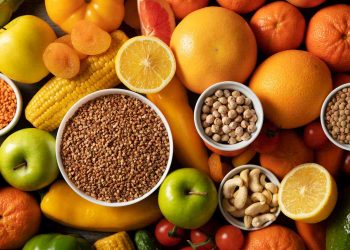
Living a healthy lifestyle can feel like navigating a maze. With so much conflicting information out there, it’s hard to know what’s fact and what’s fiction. Let’s be real—if you’ve ever found yourself confused by the latest health trends, you’re not alone. From kale smoothies to intermittent fasting, the options can be overwhelming. But fear not! In this article, we’ll break down the essentials of a healthy lifestyle, debunk some common myths, and provide practical tips to help you on your journey to better health.

Contents
Myth vs. Truth: Debunking Common Health Misconceptions
Myth 1: “Carbs Are the Enemy”
Truth: Not all carbs are created equal. While refined carbs (think white bread and sugary snacks) can spike your blood sugar, whole grains like quinoa, brown rice, and whole-wheat bread offer essential nutrients and fiber. According to a study published in the American Journal of Clinical Nutrition, whole grains are associated with a lower risk of heart disease and type 2 diabetes (Aune et al., 2016). So, don’t ditch carbs altogether; just choose the right ones!
Myth 2: “You Need to Exercise for Hours Every Day”
Truth: Quality trumps quantity. While regular exercise is crucial, you don’t need to spend hours at the gym. The CDC recommends at least 150 minutes of moderate-intensity aerobic activity per week, which breaks down to just 30 minutes a day, five days a week. This can include brisk walking, cycling, or even dancing! It’s about staying active in ways you enjoy.
Myth 3: “Detox Diets Are Necessary”
Truth: Your body has its own detox system—your liver and kidneys. They work around the clock to flush out toxins. While some detox diets can lead to short-term weight loss, they’re usually unsustainable and can deprive your body of essential nutrients. Instead of detoxing, focus on a balanced diet rich in fruits, vegetables, and lean proteins.
Myth 4: “All Fats Are Bad”
Truth: Fats are not the enemy; it’s the type of fat that matters. Unsaturated fats found in avocados, nuts, and olive oil are heart-healthy, while trans fats in processed foods can be harmful. A balanced approach to fat consumption can actually help with weight management and heart health.
Myth 5: “You Can’t Have Treats if You Want to Be Healthy”
Truth: Moderation is key! Completely depriving yourself of treats can lead to binge eating later on. Incorporating small amounts of your favorite indulgences into a balanced diet can help you maintain a healthier relationship with food.
5 Essential Tips for a Healthy Lifestyle
Now that we’ve debunked some myths, here are five practical tips to help you lead a healthier life:
1. Eat a Rainbow of Foods
Aim to fill your plate with various colorful fruits and vegetables. Each color represents different nutrients and antioxidants. For example, red foods like tomatoes and strawberries are rich in lycopene and vitamin C, while green foods like spinach and broccoli are packed with fiber and iron.
2. Stay Hydrated
Water is essential for almost every function in your body. Aim for at least eight 8-ounce glasses (about 2 liters) a day. If plain water bores you, try adding lemon, cucumber, or mint for flavor. Staying hydrated can help improve your mood, energy levels, and even your skin health.
3. Prioritize Sleep
Sleep is often overlooked but is crucial for overall health. Aim for 7-9 hours of quality sleep each night. Poor sleep can lead to weight gain, weakened immunity, and increased stress levels. Establish a bedtime routine to help signal to your body that it’s time to unwind.
4. Move More Throughout the Day
Incorporate physical activity into your daily routine, even if you can’t hit the gym. Take the stairs instead of the elevator, go for a walk during lunch breaks, or do some stretches while watching TV. Every little bit counts!
5. Manage Stress
Chronic stress can lead to various health issues, including heart disease and obesity. Find healthy ways to manage stress, such as meditation, yoga, or simply taking a few deep breaths when you feel overwhelmed.
A Day in the Life: Mini Case Study
Let’s take a look at Sarah, a busy mom of two who struggled to maintain a healthy lifestyle amidst her hectic schedule. Like many of us, she felt overwhelmed by conflicting health advice, and her attempts to eat healthy often led to frustration.
Morning Routine
Sarah started her day by drinking a glass of water as soon as she woke up. She then prepared a quick breakfast of oatmeal topped with fresh berries and nuts. This combination gave her sustained energy without the sugar crash.
Midday Choices
For lunch, she packed a salad with mixed greens, grilled chicken, chickpeas, and a homemade vinaigrette. Instead of opting for takeout, she made an effort to prepare her meals in advance, which saved her time and helped her make healthier choices.
Afternoon Activity
After dropping the kids off at school, Sarah took a brisk 30-minute walk. It was a simple way to incorporate exercise into her day without feeling like a chore.
Evening Wind Down
In the evenings, Sarah set aside time for herself to unwind. Whether it was reading a book or practicing yoga, she prioritized mental health as much as physical health.
The Results
Over a few months, Sarah noticed significant changes. She had more energy, felt more confident, and her overall health improved. By making small, sustainable changes, she turned her lifestyle around without the stress of extreme diets or intense workout regimens.
Q&A: Common Questions About Healthy Living
Q: How can I start eating healthier without feeling deprived?
A: Start by making small changes. Swap out one unhealthy snack for a healthier option each week, or try adding one extra serving of vegetables to your meals. Gradually incorporating healthier foods can make the transition easier.
Q: What’s the best type of exercise for beginners?
A: The best exercise is one you enjoy! Walking, swimming, cycling, or group classes are great options. The key is to find something that feels good and keeps you motivated.
Q: How do I know if I’m drinking enough water?
A: A good rule of thumb is to drink enough so that your urine is light yellow. If you’re feeling thirsty, it’s a sign you need to hydrate.
Q: Are supplements necessary for a healthy diet?
A: Ideally, you should get most of your nutrients from food. Supplements can help fill gaps but should not replace a balanced diet. Always consult with a healthcare provider before starting any new supplement.
Practical Steps: Creating a Personalized Health Plan
Step 1: Assess Your Current Lifestyle
Take a week to track your food intake, physical activity, and sleep patterns. This will give you a clear picture of your habits and areas for improvement.
Step 2: Set Realistic Goals
Identify specific, achievable goals. Instead of saying, “I want to eat healthier,” try “I will eat at least one serving of vegetables at lunch every day.”
Step 3: Create a Meal Plan
Plan your meals for the week ahead. Include a variety of foods to ensure you’re getting a balanced diet. Prepare meals in advance to save time during busy days.
Step 4: Find an Accountability Partner
Share your goals with a friend or family member who can help keep you motivated. Having someone to share your journey with can make the process more enjoyable.
Step 5: Celebrate Your Progress
Acknowledge your achievements, no matter how small. Whether it’s fitting into a pair of jeans you haven’t worn in a while or completing a week of workouts, celebrating milestones can boost your motivation.
Conclusion: The Journey to a Healthier You
Embarking on a healthier lifestyle doesn’t have to be complicated or overwhelming. By debunking myths, implementing practical tips, and creating a personalized plan, you can make sustainable changes that lead to lasting health benefits. Remember, it’s not about perfection; it’s about progress. So, take it one step at a time, and enjoy the journey to a healthier you!
References
Aune, D., Giovannucci, E., Boffetta, P., et al. (2016). Whole grain consumption and risk of cardiovascular disease, cancer, and all-cause mortality: a systematic review and dose-response meta-analysis of prospective studies. American Journal of Clinical Nutrition. Retrieved from https://academic.oup.com/ajcn/article/104/1/59/4564560
Mayo Clinic. (n.d.). Healthy lifestyle: Nutrition and healthy eating. Retrieved from https://www.mayoclinic.org/healthy-lifestyle/nutrition-and-healthy-eating
Harvard Health Publishing. (2020). The importance of sleep. Retrieved from https://www.health.harvard.edu/staying-healthy/the-importance-of-sleep
Get Your FREE Natural Health Guide!
Subscribe now and receive our exclusive ebook packed with natural health tips, practical wellness advice, and easy lifestyle changes — delivered straight to your inbox.