
Did you know that the spices in your kitchen can do more than just flavor your food? They can also play a pivotal role in your muscle health and circulation. With the right spices, you can enhance blood flow, reduce inflammation, and even support muscle recovery. One standout in this category is cumin seeds, but they’re not alone. Let’s dive into five spices that can help you boost muscle circulation, starting with the powerhouse that is cumin.

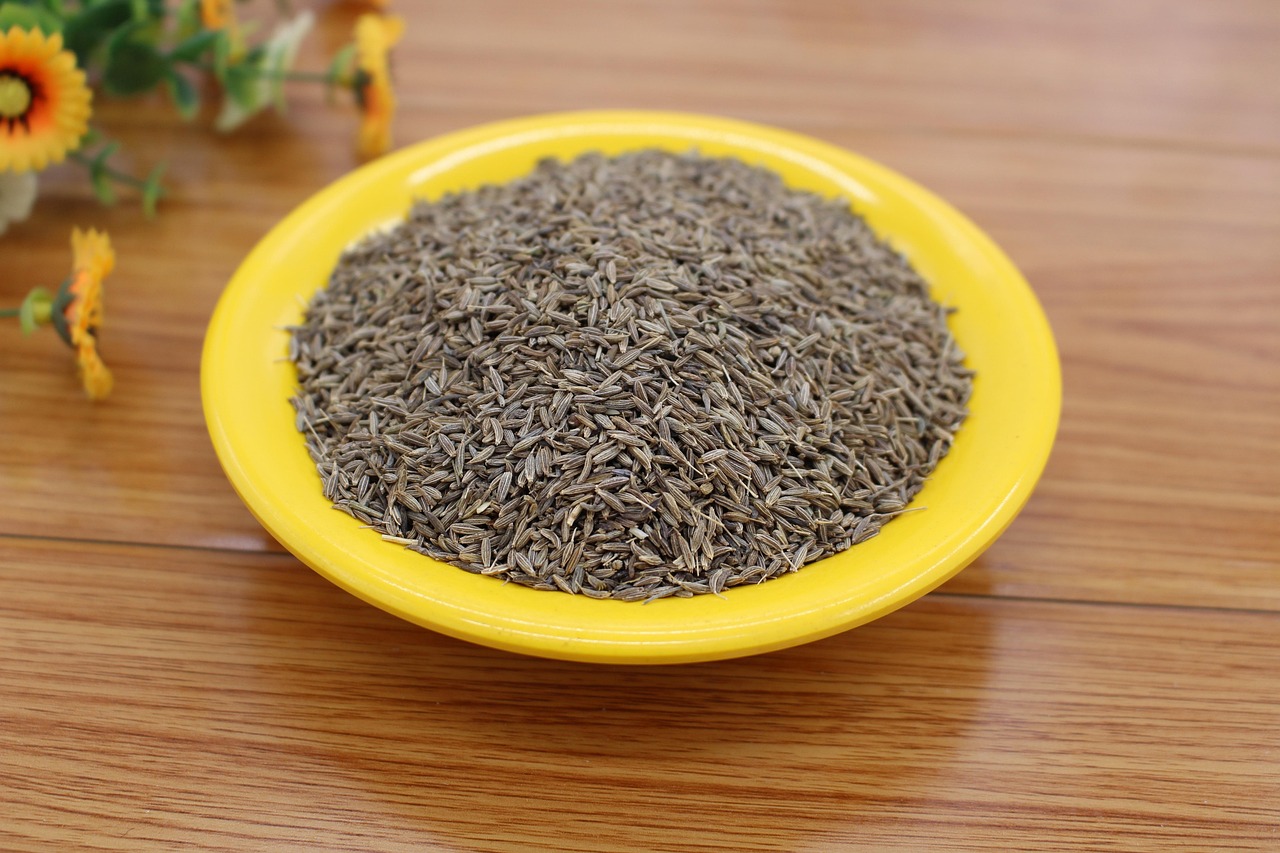
1. Cumin Seeds
The Power of Cumin
Cumin seeds have been used for centuries in various cuisines and traditional medicines. They’re not only rich in flavor but also packed with nutrients. Cumin is known for its anti-inflammatory properties, which can help improve circulation.
Benefits for Muscle Circulation
Research suggests that cumin can enhance nitric oxide production in the body, which plays a crucial role in vasodilation (the widening of blood vessels). This means your blood can flow more freely, delivering oxygen and nutrients to your muscles more effectively.
-
Anti-Inflammatory Properties: Cumin contains compounds like cuminaldehyde that can reduce inflammation, potentially aiding in muscle recovery after intense workouts.
-
Rich in Antioxidants: Cumin is loaded with antioxidants that combat oxidative stress, which is beneficial for overall muscle health.
How to Use Cumin
Cumin seeds can be easily incorporated into your diet. Try adding them to:
- Curries: A classic use that enhances flavor and nutrition.
- Smoothies: Just a teaspoon can add a warm, earthy flavor.
- Salads: Sprinkle them over fresh greens for an extra kick.
Caveats
While cumin is generally safe, excessive consumption can lead to digestive issues for some people. Always start with small amounts and monitor how your body responds.
2. Turmeric
The Golden Spice
Turmeric has garnered significant attention over the years, primarily due to its active ingredient, curcumin. This vibrant yellow spice is not just a staple in Indian cuisine; it’s also celebrated for its health benefits.
Benefits for Muscle Circulation
Curcumin is known to have powerful anti-inflammatory and antioxidant effects. It can help improve blood flow and reduce muscle soreness after exercise.
- Enhances Recovery: Studies suggest that curcumin supplementation can reduce muscle soreness and improve recovery time after strenuous workouts.
How to Use Turmeric
You can easily add turmeric to your meals:
- Golden Milk: A soothing drink made with milk (or plant-based alternatives), turmeric, and spices.
- Soups and Stews: Add a teaspoon for flavor and health benefits.
- Smoothies: Blend it into your morning smoothie for an extra health boost.
Caveats
Curcumin is poorly absorbed by the body, so pairing turmeric with black pepper can enhance its bioavailability. However, those on blood-thinning medications should consult a healthcare provider before increasing turmeric intake.
3. Ginger
The Zesty Hero
Ginger is another spice that’s more than just a flavor enhancer. It’s been used in traditional medicine for centuries and is known for its numerous health benefits.
Benefits for Muscle Circulation
Ginger has anti-inflammatory properties that can assist in reducing muscle pain and soreness. It also aids in digestion, which can be particularly beneficial if you’re consuming a protein-rich diet for muscle building.
- Improves Circulation: Ginger can help increase blood circulation, which is essential for muscle recovery and overall health.
How to Use Ginger
Incorporating ginger into your diet can be fun and easy:
- Tea: Fresh ginger tea is not only soothing but can also provide a quick health boost.
- Stir-Fries: Add fresh ginger to your stir-fries for a zesty flavor.
- Baked Goods: Grate ginger into muffins or cookies for a warm spice.
Caveats
While ginger is generally safe, excessive amounts can lead to digestive issues. Pregnant individuals should also consult a healthcare provider before increasing their ginger intake.
4. Cayenne Pepper
The Fiery Spice
Cayenne pepper is known for its heat, but it also has a plethora of health benefits. The active compound, capsaicin, is what gives cayenne its spicy kick and beneficial properties.
Benefits for Muscle Circulation
Capsaicin has been shown to improve blood flow and reduce pain. It works by stimulating blood flow to the muscles, which can enhance performance and recovery.
- Pain Relief: Capsaicin creams are often used to relieve muscle and joint pain, making it a go-to for athletes.
How to Use Cayenne Pepper
Integrate cayenne into your meals with these suggestions:
- Spicy Soups: A dash of cayenne can elevate your favorite soup.
- Seasoned Vegetables: Sprinkle it on roasted veggies for an extra kick.
- Hot Sauces: Use it in homemade sauces to spice things up.
Caveats
Cayenne can be quite intense for some, so start with small amounts and adjust according to your tolerance. Those with gastrointestinal issues should exercise caution as well.
5. Black Pepper
The Everyday Spice
Black pepper, often referred to as the “king of spices,” is ubiquitous in kitchens worldwide. But it’s not just a basic seasoning; it has significant health benefits, especially when it comes to circulation.
Benefits for Muscle Circulation
Piperine, the active compound in black pepper, can enhance the absorption of various nutrients, including curcumin from turmeric. This means that when you use these spices together, you amplify their health benefits.
- Improves Nutrient Absorption: By enhancing the bioavailability of other nutrients, black pepper can help support muscle function and recovery.
How to Use Black Pepper
You can easily add black pepper to virtually any dish:
- Seasoning: Use it to season meats, vegetables, and salads.
- Smoothies: A pinch can add a surprising depth of flavor.
- Soups and Stews: It enhances the overall flavor profile.
Caveats
While black pepper is safe for most people, excessive consumption can lead to gastrointestinal upset. It’s always wise to use it in moderation.
FAQs
1. Can spices alone improve muscle circulation?
While spices can help enhance circulation, they should be part of a balanced diet and healthy lifestyle for the best results.
2. How much cumin should I consume daily?
A teaspoon of cumin seeds or powder can be a good starting point. Adjust based on your taste and digestive comfort.
3. Are there any side effects to using these spices?
Most spices are safe in culinary amounts. However, excessive consumption can lead to digestive issues for some individuals. Always consult a healthcare provider if you have concerns.
4. Can I combine these spices for better results?
Absolutely! Combining these spices can enhance their benefits. For example, a curry with turmeric, cumin, and black pepper can be a powerhouse for circulation.
Conclusion
Exploring the world of spices can be a delightful journey, especially when you consider their numerous health benefits. Cumin seeds stand out for their ability to enhance muscle circulation, but they’re even more effective when combined with other spices like turmeric, ginger, cayenne, and black pepper. Incorporating these spices into your diet can not only add flavor but also support your muscle health and overall well-being.
So, why not spice up your meals and give your muscles the circulation boost they deserve? After all, a flavorful diet is a healthy diet!
This article is for educational purposes only and is not a substitute for professional medical advice. Always consult a qualified healthcare provider before making changes to your health routine.
References
-
Srivastava, A., & Bhardwaj, R. (2020). Cumin: An Overview of Its Health Benefits. Journal of Food Science and Technology. Link
-
Gupta, S. C., & Aggarwal, B. B. (2013). Curcumin, a component of turmeric: From farm to pharmacy. Biofactors, 39(1), 4-19. Link
-
Kwan, C. Y., & Zhang, Y. (2019). Ginger: A Review of Its Effects on Human Health. Journal of Medicinal Food, 22(8), 737-748. Link
Get Your FREE Natural Health Guide!
Subscribe now and receive our exclusive ebook packed with natural health tips, practical wellness advice, and easy lifestyle changes, delivered straight to your inbox.