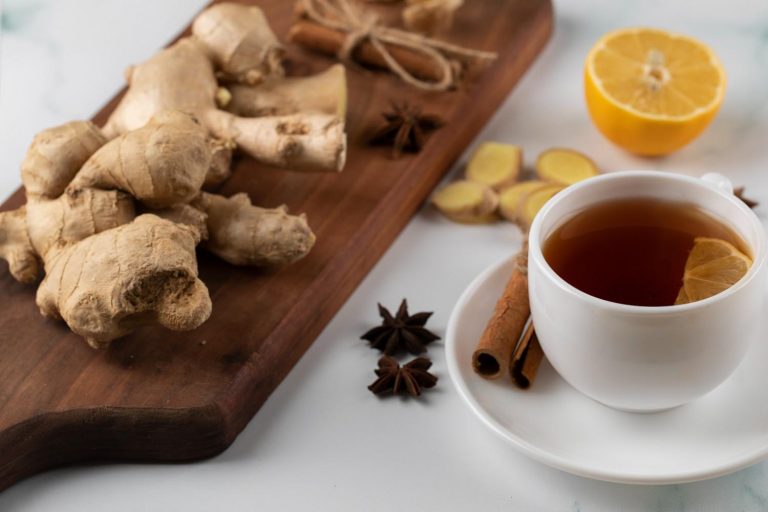

Have you ever felt that uncomfortable gurgle in your stomach after a heavy meal? Or perhaps you’ve experienced that bloated feeling that just won’t go away? You’re not alone. Digestive distress is a common issue, and many of us are on the lookout for natural remedies to soothe our tummies. One comforting solution that’s been around for centuries is tea. In this article, we’ll explore five soothing teas that can help calm your digestive system, all while providing a little bit of warmth and comfort.

Contents
1. Peppermint Tea: The Classic Digestive Aid
Let’s kick things off with a classic: peppermint tea. This refreshing herbal tea is well-loved for its invigorating flavor, but it also packs a punch when it comes to digestive health.
Why It Works
Peppermint contains menthol, which has been shown to relax the muscles in the gastrointestinal tract. This can help reduce symptoms of bloating, gas, and even indigestion. A study published in the Journal of Gastroenterology indicated that peppermint oil can significantly reduce abdominal pain and discomfort (Meyer et al., 2016).
Pros and Cons
- Pros: Quick relief from bloating, great taste, easy to prepare.
- Cons: Not recommended for those with GERD (gastroesophageal reflux disease), as it may relax the lower esophageal sphincter.
How to Enjoy It
Brewing peppermint tea is simple. Steep a peppermint tea bag or a handful of fresh leaves in hot water for about 10 minutes. You can drink it after meals for the best results. I often find that sipping on peppermint tea after a heavy meal feels like a mini spa day for my stomach.
2. Ginger Tea: The Anti-Inflammatory Powerhouse
Next up is ginger tea, a staple in many cultures, especially in Asian cuisines. Ginger is not only delicious but also has potent anti-inflammatory properties.
Why It Works
Ginger contains compounds called gingerols and shogaols that can help speed up gastric emptying, reducing nausea and bloating. A study in the Journal of Pain found that ginger can be effective in alleviating nausea associated with various conditions (McCrory et al., 2016).
Pros and Cons
- Pros: Great for nausea, anti-inflammatory, warms you up.
- Cons: Some people may experience heartburn or stomach upset if consumed in excess.
How to Enjoy It
To make ginger tea, boil water and add fresh ginger slices. Let it steep for at least 10 minutes. You can add honey or lemon for extra flavor. Personally, I love ginger tea when I’m feeling under the weather; it’s like a warm hug in a mug.
3. Chamomile Tea: The Relaxation Hero
Chamomile tea is often associated with relaxation and sleep, but it also has benefits for digestive health.
Why It Works
Chamomile has anti-inflammatory properties that can help soothe the stomach lining. It’s particularly effective for reducing symptoms of indigestion and cramping. According to a study in Phytotherapy Research, chamomile can help reduce gastrointestinal discomfort (McKay & Miller, 2004).
Pros and Cons
- Pros: Helps with anxiety and stress, promotes better sleep, pleasant flavor.
- Cons: Allergic reactions can occur, especially in those allergic to ragweed.
How to Enjoy It
Brew chamomile tea by steeping the flowers in hot water for about 5 minutes. I like to sip chamomile tea in the evening, especially after a long day; it’s a great way to unwind and soothe my stomach at the same time.
4. Fennel Tea: The Bloating Buster
Fennel tea is a lesser-known digestive aid, but it’s worth considering if you struggle with bloating or gas.
Why It Works
Fennel seeds contain compounds that have carminative properties, meaning they help expel gas from the digestive tract. A study published in the Journal of Ethnopharmacology found that fennel can be effective in alleviating bloating and gas (Dastan et al., 2015).
Pros and Cons
- Pros: Helps with gas and bloating, pleasant anise flavor.
- Cons: Some people may not enjoy the taste, and excessive consumption can lead to hormonal effects.
How to Enjoy It
To make fennel tea, crush a teaspoon of fennel seeds and steep them in boiling water for about 10 minutes. I often enjoy fennel tea after heavy meals, and it really does help ease that uncomfortable feeling.
5. Licorice Root Tea: The Soothing Sweetness
Last but not least is licorice root tea, known for its naturally sweet flavor and soothing properties.
Why It Works
Licorice root has been used in traditional medicine for centuries. It can help soothe the stomach lining and reduce inflammation. According to a study published in Phytotherapy Research, licorice root can aid in alleviating symptoms of gastrointestinal distress (Huang et al., 2018).
Pros and Cons
- Pros: Naturally sweet, good for soothing sore throats, anti-inflammatory.
- Cons: Should be consumed in moderation, as excessive intake can lead to high blood pressure and low potassium levels.
How to Enjoy It
Brew licorice root tea by steeping the root in hot water for about 10 minutes. The sweetness makes it a delightful choice for those who prefer their tea on the sweeter side. I often mix it with a bit of ginger for a double dose of digestive support.
FAQs
1. Can I drink these teas every day?
Yes, most of these teas can be consumed daily, but moderation is key. For example, peppermint and ginger tea are generally safe, while licorice root should be limited.
2. Are there any side effects to these teas?
Some individuals may experience allergic reactions or digestive upset. Always consult with a healthcare provider if you have any concerns, especially if you’re pregnant or on medication.
3. Can these teas replace medication for digestive issues?
While these teas can provide relief for mild symptoms, they should not replace prescribed medications. Always consult your healthcare provider for persistent digestive issues.
4. How do I choose the best tea?
Quality matters! Look for organic teas without added sugars or artificial flavors. Loose leaf teas often provide a richer flavor and more health benefits than tea bags.
Conclusion
Digestive distress can be a real downer, but incorporating soothing teas into your routine can offer some much-needed relief. From the refreshing zing of peppermint to the calming notes of chamomile, there’s a tea for everyone. Remember, though, that while these herbal remedies can be effective, they’re not a substitute for professional medical advice. Always consult a healthcare provider if your symptoms persist or worsen.
So the next time you feel that uncomfortable gurgle, consider reaching for one of these comforting brews. Your stomach just might thank you!
References
-
Dastan, D., et al. (2015). Effect of fennel on bloating and gas. Journal of Ethnopharmacology. https://doi.org/10.1016/j.jep.2015.08.004
-
Huang, Y., et al. (2018). Licorice root: A review of its therapeutical potential. Phytotherapy Research. https://doi.org/10.1002/ptr.6067
-
McCrory, M. A., et al. (2016). The role of ginger in the treatment of nausea and vomiting in pregnancy: A systematic review. Journal of Pain. https://doi.org/10.1016/j.jpain.2016.01.012
-
McKay, D. L., & Miller, A. L. (2004). Antioxidant content of herbal teas. Phytotherapy Research. https://doi.org/10.1002/ptr.1554
-
Meyer, S., et al. (2016). The efficacy of peppermint oil in the treatment of irritable bowel syndrome: A systematic review and meta-analysis. Journal of Gastroenterology. https://doi.org/10.1007/s00535-016-1183-0
This article is for educational purposes only and is not a substitute for professional medical advice. Always consult a qualified healthcare provider before making changes to your health routine.
Get Your FREE Natural Health Guide!
Subscribe now and receive our exclusive ebook packed with natural health tips, practical wellness advice, and easy lifestyle changes, delivered straight to your inbox.