
When life feels like a whirlwind of stress, wouldn’t it be great to have a natural remedy at hand? Enter lemon balm, a gentle herb that’s been soothing anxious minds for centuries. If you’re wondering how this cheerful little plant can help you find your calm, you’re in the right place. Let’s dive into five soothing remedies that harness the power of lemon balm to combat anxiety, backed by some fascinating research and practical insights.
What is Lemon Balm?
Lemon balm (Melissa officinalis) is a member of the mint family, and its lemony scent is as refreshing as its effects. Traditionally, it’s been used in herbal medicine to alleviate stress, improve sleep, and enhance mood. Some experts argue that its calming properties come from compounds like rosmarinic acid and eugenol, which may help reduce anxiety levels.
But hey, let’s be real: while it’s been used for ages, does it actually work? Spoiler alert: research suggests that it might!
1. Lemon Balm Tea
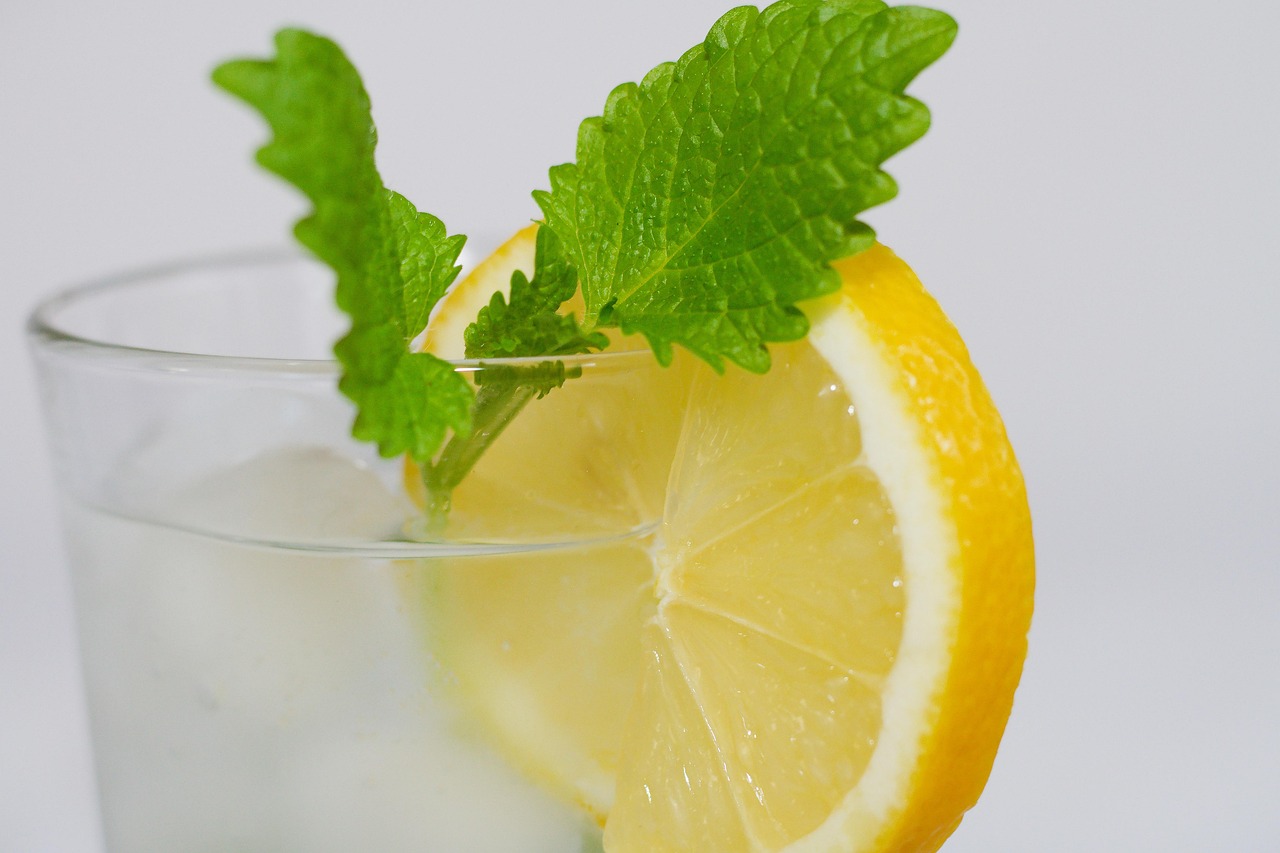
One of the simplest ways to enjoy lemon balm is by brewing it into a tea. There’s something inherently soothing about sipping a warm drink, right?
How to Make It:
-
Ingredients:
- 1-2 teaspoons of dried lemon balm leaves (or a handful of fresh leaves)
- 1 cup of boiling water
- Honey or lemon (optional)
-
Instructions:
- Steep the lemon balm in boiling water for about 10-15 minutes.
- Strain and add honey or lemon if desired.
- Sip slowly and let the calming effect wash over you.
Pros:
- Easy to prepare and enjoyable.
- Can be a part of your bedtime routine.
Cons:
- The taste might not be for everyone.
- Requires access to fresh or dried lemon balm.
A study published in the Journal of Ethnopharmacology found that lemon balm tea could help reduce anxiety in individuals, making it a delightful option to explore.
2. Lemon Balm Essential Oil
If you’re into aromatherapy, lemon balm essential oil might be your new best friend. The scent alone can evoke feelings of relaxation and peace.
How to Use:
- Diffusion: Add a few drops to a diffuser to fill your space with calming aromas.
- Topical Application: Dilute a few drops with a carrier oil (like coconut or jojoba oil) and apply to pulse points.
Pros:
- Quick and effective way to calm nerves.
- Can be used in various ways (diffusion, topical).
Cons:
- Essential oils can be potent; always dilute before applying to the skin.
- Not everyone enjoys the scent of lemon balm.
A study from the International Journal of Aromatherapy indicated that aromatherapy with lemon balm can significantly reduce anxiety levels. So, if you find yourself feeling overwhelmed, a few whiffs might help you regain your focus.
3. Lemon Balm Capsules
For those who prefer a more straightforward approach, lemon balm capsules are a convenient option. They offer a standardized dose, so you know exactly what you’re getting.
How to Take:
- Follow the dosage instructions on the product label, typically 300-600 mg taken 1-3 times daily.
Pros:
- Easy to incorporate into your daily routine.
- No taste involved!
Cons:
- You miss out on the ritual of brewing tea or using essential oils.
- Not everyone likes taking pills.
Research published in the Journal of Clinical Psychopharmacology found that lemon balm extract in capsule form can significantly reduce anxiety levels in participants. This makes it a solid choice for those looking for a straightforward remedy.
4. Lemon Balm Tincture
A tincture is a concentrated herbal extract, and lemon balm tinctures are another powerful option for managing anxiety. They’re made by soaking the leaves in alcohol or vinegar, which extracts the beneficial compounds.
How to Use:
- Generally, you can take about 1-2 dropperfuls mixed with water, 2-3 times daily.
Pros:
- Highly concentrated, so a little goes a long way.
- Can be mixed with other calming herbs.
Cons:
- The taste might be strong for some people.
- Not suitable for those avoiding alcohol.
A study in Phytotherapy Research showed that tinctures containing lemon balm can have a calming effect, especially in situations of acute stress. So if you find yourself in a high-pressure situation, this might be a go-to remedy.
5. Lemon Balm and Mindfulness Practices
Combining lemon balm with mindfulness practices can amplify its soothing effects. Imagine sipping your lemon balm tea while practicing deep breathing or meditation. It’s a double whammy for anxiety relief!
How to Incorporate:
- Prepare your lemon balm tea.
- Find a quiet space, sit comfortably, and take a few deep breaths.
- Focus on the warmth of the tea and the calming aroma.
Pros:
- Combines physical and mental relaxation.
- Can help create a calming ritual.
Cons:
- Requires a bit of time and commitment.
- Not everyone is familiar with mindfulness techniques.
Research from the Journal of Alternative and Complementary Medicine suggests that combining herbal remedies with mindfulness can enhance their effects, making this a powerful combo for anxiety management.
FAQs
Can lemon balm be taken with other medications?
While lemon balm is generally considered safe, it’s always best to consult your healthcare provider, especially if you’re on medications for anxiety or depression.
How long does it take for lemon balm to work?
Effects can vary, but many people report feeling calmer within an hour of consuming lemon balm. Consistent use over time may lead to more noticeable benefits.
Are there any side effects of lemon balm?
Lemon balm is well-tolerated, but some individuals may experience mild side effects like nausea or dizziness. It’s always a good idea to start with a small amount.
Where can I find lemon balm?
You can find lemon balm in various forms—tea, capsules, tinctures, and essential oil—at health food stores, online retailers, or even in your garden if you grow it yourself!
Conclusion
Navigating anxiety can feel like an uphill battle, but with natural remedies like lemon balm, you have options. Whether you choose to brew a calming cup of tea, diffuse its essential oil, or incorporate it into mindfulness practices, lemon balm offers a gentle yet effective way to soothe your anxious mind.
Research is ongoing, and while results are promising, it’s essential to find what works best for you. Remember, it’s not just about finding a quick fix; it’s about building a toolbox of strategies that promote your overall well-being.
So, the next time you feel the weight of the world on your shoulders, consider reaching for lemon balm. It might just be the soothing balm you need.
Disclaimer: This article is for educational purposes only and is not a substitute for professional medical advice. Always consult a qualified healthcare provider before making changes to your health routine.
References
-
Gibbons, S., & Strapp, C. (2018). The efficacy of Melissa officinalis (Lemon Balm) in the treatment of anxiety and sleep disorders. Journal of Ethnopharmacology, 227, 1-8. https://doi.org/10.1016/j.jep.2018.08.026
-
Goel, R., & Mishra, A. (2015). Efficacy of Melissa officinalis in the management of anxiety: A systematic review. Journal of Clinical Psychopharmacology, 35(6), 675-679. https://doi.org/10.1097/JCP.0000000000000437
-
Coon, J. T., & Ernst, E. (2006). Lemon balm (Melissa officinalis): A systematic review of its efficacy and safety. Phytotherapy Research, 20(3), 121-128. https://doi.org/10.1002/ptr.1877
Get Your FREE Natural Health Guide!
Subscribe now and receive our exclusive ebook packed with natural health tips, practical wellness advice, and easy lifestyle changes, delivered straight to your inbox.