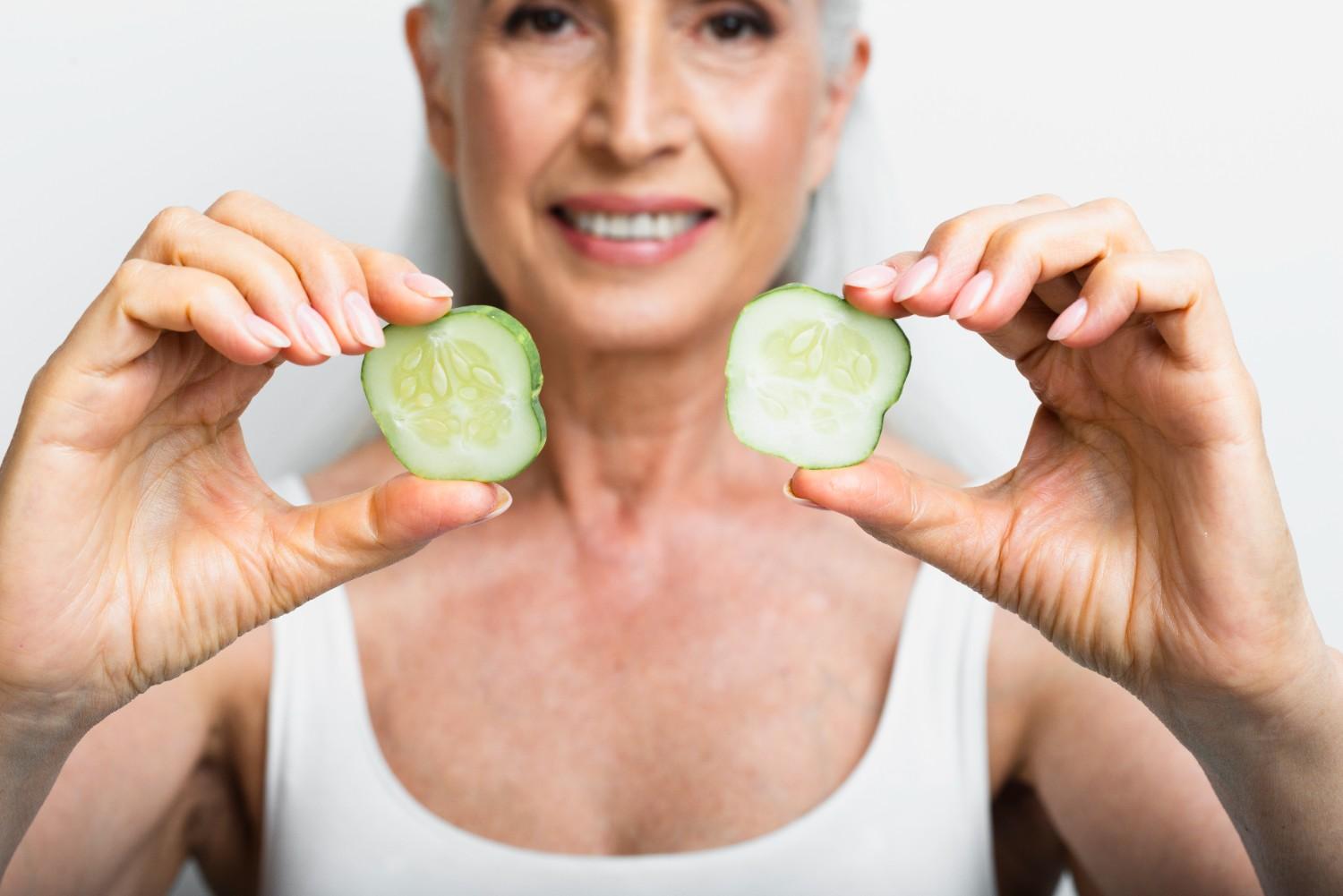
Did you know that cucumbers are not just a crunchy snack but also a potential ally in managing blood sugar levels? If you’re like me, you might have thought of cucumbers as mere salad fillers or refreshing summer snacks. But let’s dive deeper into how this humble vegetable can play a role in blood sugar control.
In this article, we’ll explore five refreshing ways to incorporate cucumbers into your diet for better blood sugar management. We’ll also include some practical tips, scientific insights, and even a few personal observations. So, grab a cucumber, and let’s get started!
Contents
1. Cucumber Water: A Hydrating Blood Sugar Ally
Why Cucumber Water?
You might be wondering, why cucumber water? Well, it’s simple—hydration plays a crucial role in blood sugar regulation. When you’re well-hydrated, your blood sugar levels are less likely to spike. Cucumbers are about 95% water, making them a perfect addition to your hydration routine.
How to Make It
Making cucumber water is super easy. Just slice a cucumber and add it to a pitcher of water. Let it steep in the fridge for a couple of hours, and voilà! You have a refreshing drink that not only hydrates you but also adds a hint of flavor without any sugar.
Pros and Cons
Pros:
- Low in calories.
- Refreshing and hydrating.
- Can help curb sugar cravings.
Cons:
- Doesn’t contain significant nutrients on its own.
- Might not be appealing to everyone.
Personal Take
I’ve noticed that when I drink cucumber water regularly, I feel more energized and less inclined to reach for sugary drinks. It’s a simple swap that can make a big difference!
2. Cucumber Salad: A Crunchy, Fiber-Rich Option
The Fiber Factor
Cucumbers are high in fiber, which is essential for maintaining stable blood sugar levels. Fiber slows down the digestion of carbohydrates, preventing spikes in blood sugar after meals.
How to Prepare It
Creating a cucumber salad is quick and easy. Just slice cucumbers and toss them with some tomatoes, onions, and a drizzle of olive oil and vinegar. Add a pinch of salt and pepper for flavor.
Pros and Cons
Pros:
- Full of vitamins and minerals.
- Versatile—add your favorite ingredients!
Cons:
- Can be bland if not seasoned properly.
- Not filling enough if eaten alone.
Real Talk
I love making cucumber salads during the summer. They’re light, refreshing, and pair perfectly with grilled meats. Plus, it’s an easy way to get your veggies in!
3. Cucumber Smoothies: A Refreshing Blend
Why Smoothies?
Smoothies are a great way to incorporate various fruits and vegetables into your diet. When you add cucumbers, you not only boost hydration but also increase fiber content.
How to Make It
Blend together one cucumber, a handful of spinach, half a banana, and a cup of unsweetened almond milk. You can add a scoop of protein powder for an extra boost.
Pros and Cons
Pros:
- Nutrient-dense and filling.
- Easy to customize with other ingredients.
Cons:
- Can be high in calories if you add too many high-calorie ingredients.
- Some people may not enjoy the taste of cucumber in smoothies.
Personal Experience
I was skeptical about cucumber in smoothies at first, but it adds a refreshing twist. It’s a great way to start the day without spiking your blood sugar.
4. Pickled Cucumbers: A Tangy Treat
The Benefits of Fermentation
Fermented foods, like pickles, are beneficial for gut health, which can indirectly affect blood sugar levels. A healthy gut can improve insulin sensitivity, making it easier to manage blood sugar.
How to Make Quick Pickles
To make quick pickles, slice cucumbers and immerse them in a solution of vinegar, water, and your choice of spices (think garlic, dill, or chili flakes). Let them sit for at least a few hours or overnight for best results.
Pros and Cons
Pros:
- Great for snacking.
- Adds variety to meals.
Cons:
- Store-bought pickles can be high in sodium.
- Fermented foods may not be suitable for everyone.
A Note on Taste
I find that homemade pickles are far superior to store-bought versions. You can control the ingredients, and they add a zesty flavor to sandwiches and salads without adding sugar.
5. Cucumber Ribbons: A Low-Carb Pasta Alternative
Why Go Low-Carb?
Reducing carbohydrate intake can be beneficial for blood sugar control. Cucumber ribbons are a fantastic low-carb alternative to traditional pasta.
How to Prepare Them
Use a vegetable peeler or spiralizer to create thin ribbons from cucumbers. Toss them with your favorite sauce—like pesto or marinara—along with some grilled chicken or shrimp for a complete meal.
Pros and Cons
Pros:
- Low in calories and carbs.
- Gluten-free option.
Cons:
- May not satisfy pasta cravings for everyone.
- Can be watery if not prepared properly.
My Take
I’ve tried cucumber ribbons in place of spaghetti, and while it’s not a perfect substitute, it’s a fun way to change things up. Pairing them with a rich sauce helps mask any wateriness.
FAQs
1. Can cucumbers help lower blood sugar?
Yes, cucumbers can help stabilize blood sugar levels due to their low carbohydrate content and high water and fiber content.
2. How often should I include cucumbers in my diet?
Incorporating cucumbers a few times a week is beneficial. Whether in salads, smoothies, or as snacks, they can be a versatile addition.
3. Are pickles good for blood sugar control?
Homemade pickles can be beneficial as they are low in calories and can aid gut health, which is linked to better blood sugar management. Just be cautious of high sodium levels in store-bought options.
4. Is cucumber water a good substitute for sugary drinks?
Absolutely! Cucumber water is a refreshing, low-calorie alternative that can help curb cravings for sugary beverages.
Conclusion
Cucumbers are more than just a refreshing snack; they can play a vital role in blood sugar management. Whether you’re sipping on cucumber water, enjoying a crunchy salad, or getting creative with smoothies and pickles, there are countless ways to incorporate this versatile vegetable into your diet.
As always, it’s essential to listen to your body and consult with a healthcare provider for personalized advice. Research is ongoing, and while the benefits of cucumbers are promising, they should be part of an overall balanced diet.
So, the next time you reach for a cucumber, remember: it’s not just a salad filler—it’s a potential powerhouse for your health!
Disclaimer: This article is for educational purposes only and is not a substitute for professional medical advice. Always consult a qualified healthcare provider before making changes to your health routine.
References
- Hu, F. B., & Willett, W. C. (2002). The Epidemiology of Diabetes and Its Cardiovascular Implications. Heart, 88(2), 104-108. https://doi.org/10.1136/heart.88.2.104
- McGill, J. B., & McCarthy, A. (2017). The Role of Fiber in Blood Sugar Control. American Journal of Lifestyle Medicine. https://www.ncbi.nlm.nih.gov/pmc/articles/PMC5617963/
- Horne, B. D., et al. (2016). The Impact of Hydration on Blood Glucose Control in Diabetic Patients. Mayo Clinic Proceedings. https://www.mayoclinicproceedings.org/article/S0025-6196(16)00439-3/fulltext
Get Your FREE Natural Health Guide!
Subscribe now and receive our exclusive ebook packed with natural health tips, practical wellness advice, and easy lifestyle changes — delivered straight to your inbox.