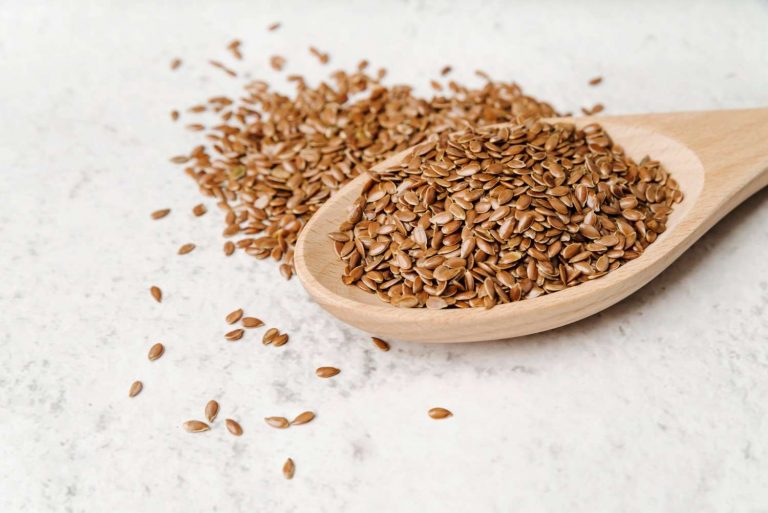

Did you know that barley water has been a staple in various cultures for centuries? From ancient Egypt to modern-day health enthusiasts, this simple drink has stood the test of time. But what’s the big deal about barley water, and how can it offer relief in today’s fast-paced world? Let’s dive into five refreshing ways to use barley water that might just change your wellness game.
Contents
What Is Barley Water?
Before we get into the ways you can use barley water, let’s quickly cover what it actually is. Barley water is made from boiling barley grains in water, then straining out the solids. The result is a light, slightly nutty-flavored beverage that’s packed with nutrients. It’s low in calories and can be a great source of vitamins and minerals, including B vitamins, magnesium, and phosphorus.
Health Benefits of Barley Water
Barley water is often touted for its various health benefits. While research is ongoing, some potential perks include:
- Hydration: It’s a great way to stay hydrated, especially in hot weather.
- Digestive Health: Barley is rich in fiber, which can aid digestion.
- Weight Management: Low in calories and high in fiber, it can help you feel full longer.
But let’s get into the nitty-gritty: how can you actually use barley water for relief? Here are five refreshing methods.
1. For Urinary Tract Health
If you’ve ever dealt with urinary tract inflammation, you know how uncomfortable it can be. Barley water may help soothe those symptoms.
How It Works
The diuretic properties of barley can help flush out bacteria and toxins from the urinary tract, potentially reducing inflammation. A study published in the Journal of Ethnopharmacology found that barley can have beneficial effects on urinary health (Chaudhary et al., 2010).
How to Use It
- Preparation: Boil 1 cup of barley in 4 cups of water for about 30 minutes. Strain and let it cool.
- Consumption: Drink it warm or chilled throughout the day. You can even add a squeeze of lemon for extra flavor.
Pros & Cons
- Pros: Natural diuretic, hydrates, and may alleviate discomfort.
- Cons: Not a substitute for medical treatment; consult a healthcare provider if symptoms persist.
2. As a Digestive Aid
Feeling bloated or having an upset stomach? Barley water can be your new best friend.
How It Works
The soluble fiber in barley helps promote healthy digestion and can relieve constipation. According to the American Journal of Clinical Nutrition, fiber can help maintain gut health and regularity (Slavin, 2013).
How to Use It
- Preparation: Use the same method as before. You can also add ginger or mint for added digestive benefits.
- Consumption: Sip on it after meals to aid digestion.
Pros & Cons
- Pros: Gentle on the stomach, promotes gut health.
- Cons: Some people may experience gas or bloating from fiber.
3. For Skin Hydration and Healing
Did you know that barley water can also work wonders for your skin? It’s not just for drinking!
How It Works
Barley has anti-inflammatory properties, which can be beneficial for skin conditions like eczema or acne. It’s rich in antioxidants, which help combat oxidative stress.
How to Use It
- Preparation: Make a batch of barley water as previously described.
- Application: Use it as a toner. Soak a cotton ball in barley water and apply it to your face after cleansing.
Pros & Cons
- Pros: Natural, soothing, and hydrating.
- Cons: May not work for everyone; patch test first to avoid irritation.
4. As a Refreshing Sports Drink
Are you tired of sugary sports drinks? Barley water can be a fantastic alternative.
How It Works
Barley water is hydrating and contains carbohydrates, making it a good source of energy. It can help replenish electrolytes lost during exercise, thanks to its mineral content.
How to Use It
- Preparation: Add a pinch of salt and a bit of honey or maple syrup to your barley water for a natural energy boost.
- Consumption: Drink it before or after your workout.
Pros & Cons
- Pros: Natural energy source, low in sugar.
- Cons: May not be as effective for intense endurance athletes; could require additional electrolytes.
5. For Weight Management
Looking to shed a few pounds? Barley water can be a helpful addition to your routine.
How It Works
Thanks to its high fiber content, barley water can help you feel full longer, which might reduce overall calorie intake. A study in the Journal of Nutrition suggests that whole grains can be beneficial for weight management (Slavin & Lloyd, 2012).
How to Use It
- Preparation: Make a batch of barley water and consume it before meals.
- Consumption: This can help control your appetite, leading to smaller portion sizes.
Pros & Cons
- Pros: Low-calorie, filling, and nutritious.
- Cons: Not a magic solution; should be combined with a balanced diet.
FAQs
1. Is barley water safe for everyone?
Yes, barley water is generally safe for most people. However, those with gluten sensitivities or celiac disease should avoid it, as barley contains gluten.
2. How often should I drink barley water for health benefits?
You can drink barley water daily, but moderation is key. Start with one cup a day and see how your body reacts.
3. Can I store barley water in the fridge?
Absolutely! Barley water can be stored in the refrigerator for up to a week. Just give it a good shake before consuming.
4. Are there any side effects?
Some people may experience bloating or gas due to the fiber content. If you notice discomfort, consider reducing your intake.
Conclusion
Barley water is more than just a refreshing drink; it’s a versatile wellness tool that can offer various benefits—from soothing urinary inflammation to aiding digestion. While it’s not a cure-all, incorporating barley water into your routine could be a step toward better health. So, why not give it a try?
As with any health remedy, it’s essential to listen to your body and consult with a healthcare provider for personalized advice. Remember, research is ongoing, and while results are promising, individual experiences may vary.
Disclaimer: This article is for educational purposes only and is not a substitute for professional medical advice. Always consult a qualified healthcare provider before making changes to your health routine.
References
-
Chaudhary, A., & Ahmad, W. (2010). Ethnopharmacological relevance of barley (Hordeum vulgare): A review. Journal of Ethnopharmacology, 129(2), 140-145. https://doi.org/10.1016/j.jep.2010.03.027
-
Slavin, J. (2013). Fiber and prebiotics: Mechanisms and health benefits. American Journal of Clinical Nutrition, 98(2), 626S-634S. https://doi.org/10.3945/ajcn.112.038762
-
Slavin, J. L., & Lloyd, B. (2012). Health benefits of fruits and vegetables. Journal of Nutrition, 142(6), 1226S-1230S. https://doi.org/10.3945/jn.112.158150
Get Your FREE Natural Health Guide!
Subscribe now and receive our exclusive ebook packed with natural health tips, practical wellness advice, and easy lifestyle changes, delivered straight to your inbox.