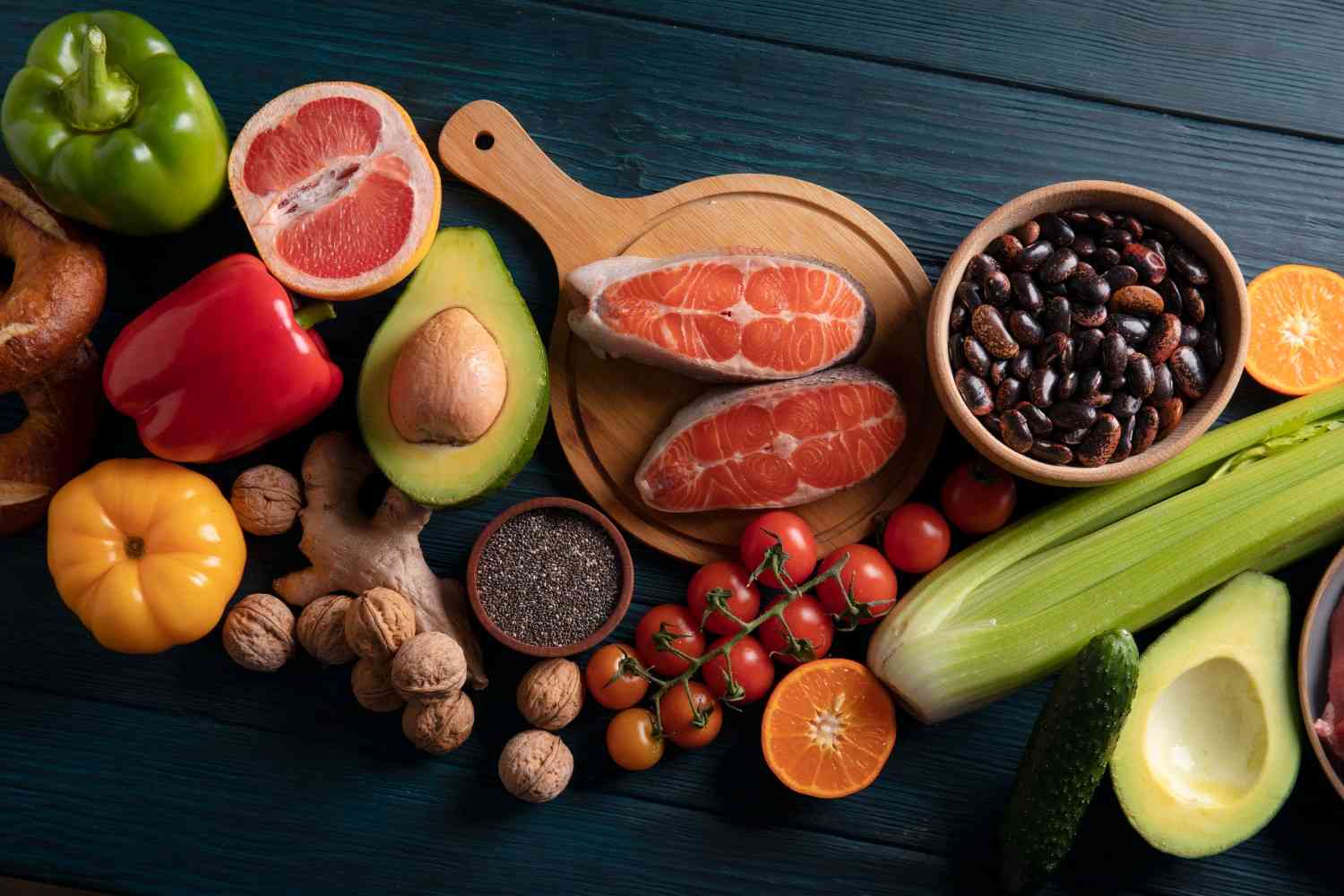
If you’ve ever experienced that annoying ringing in your ears, you know how disruptive tinnitus can be. For some, it’s a fleeting annoyance; for others, it can be a constant companion. While there’s no one-size-fits-all solution, some natural remedies can help manage symptoms. One refreshing approach? Juices! Let’s dive into five juices that might just offer some relief while being deliciously hydrating.
Contents
1. Celery Juice: The Hydration Hero
Why Celery?
Celery juice has gained a lot of attention lately, and for good reason. It’s packed with vitamins, minerals, and antioxidants, making it a fantastic addition to your diet. Some studies suggest that high potassium levels in celery can help regulate fluid balance and nerve function, which may play a role in alleviating tinnitus symptoms.
How to Make It
Simply blend fresh celery stalks with water. Strain if you prefer a smoother texture, and enjoy! Add a squeeze of lemon for a zesty twist.
Pros and Cons
Pros:
- Hydrating and low in calories.
- Rich in vitamins A, C, and K.
- Anti-inflammatory properties.
Cons:
- Some may find the taste too earthy.
- Overconsumption can lead to excessive sodium intake.
Personal Note
I’ve noticed that starting my day with celery juice leaves me feeling refreshed and energized. It might not be a miracle cure, but hey, every little bit helps!
2. Beet Juice: The Blood Booster
The Beet Advantage
Beet juice is not just vibrant and visually appealing; it’s also rich in nitrates, which can improve blood flow. Improved circulation may help reduce the perception of tinnitus for some individuals. Plus, beets are known for their detoxifying properties.
How to Make It
Juicing beets is simple. Peel and chop them, then run them through a juicer. If you don’t have one, blending with a bit of water and straining works too. Mixing in some apple or carrot can enhance the flavor.
Pros and Cons
Pros:
- High in antioxidants and anti-inflammatory compounds.
- May enhance athletic performance due to increased blood flow.
Cons:
- Can cause a temporary reddish tint to urine (which is harmless).
- Some people may experience digestive discomfort.
Deeper Insight
Research is ongoing about the effects of beet juice on tinnitus, but the positive impact on circulation is certainly worth considering.
3. Ginger Juice: The Anti-Inflammatory
Why Ginger?
Ginger is a well-known anti-inflammatory powerhouse. It has properties that may help improve circulation and reduce inflammation, both of which can be beneficial for those experiencing tinnitus.
How to Make It
Grate fresh ginger and steep it in hot water to create a ginger infusion. For a juice, blend raw ginger with water and strain. You can also add a bit of honey for sweetness and lemon for zest.
Pros and Cons
Pros:
- Contains gingerol, an anti-inflammatory compound.
- May help with nausea and digestive issues.
Cons:
- Can be too spicy for some.
- Overconsumption may lead to heartburn.
A Personal Perspective
Whenever I feel a little under the weather, ginger juice is my go-to. It’s like a warm hug for your insides!
4. Apple and Carrot Juice: The Nutrient Duo
The Power of Apples and Carrots
Combining apples and carrots creates a nutrient-dense drink. Apples are rich in quercetin, an antioxidant that may help reduce inflammation. Carrots are high in beta-carotene, which promotes overall ear health.
How to Make It
Juice equal parts apples and carrots for a sweet, refreshing drink. You can add a bit of ginger for an extra kick.
Pros and Cons
Pros:
- Sweet and palatable, making it easy to consume.
- Packed with vitamins A and C.
Cons:
- High in sugar compared to other juices, especially if using many apples.
- Some may find the flavor too sweet.
A Little Reflection
I love the combination of apples and carrots. It’s like a little health party in a glass! Plus, who doesn’t want to feel like they’re eating their veggies without the hassle?
5. Green Juice: The Detox Champion
Why Go Green?
Green juices, loaded with leafy greens like spinach, kale, and parsley, are rich in vitamins and minerals. They contain antioxidants that may help combat inflammation and support overall ear health.
How to Make It
Blend a handful of leafy greens with cucumber and a splash of lemon juice for a refreshing drink. Adding a green apple can balance out the bitterness.
Pros and Cons
Pros:
- Highly nutritious and low in calories.
- Can help detoxify the body.
Cons:
- May require an acquired taste.
- Some may experience digestive discomfort if consumed in excess.
Expert Insight
While green juices are great for overall health, it’s essential to balance them with other food groups. They’re not a substitute for a well-rounded diet.
FAQs
1. Can juices really help manage tinnitus?
While juices like celery and beet juice may help some individuals due to their anti-inflammatory and circulation-boosting properties, results can vary. Always consult a healthcare provider for personalized advice.
2. How often should I drink these juices?
Incorporating these juices into your daily routine can be beneficial, but moderation is key. A small glass a day can be a great start!
3. Are there any side effects?
Most of these juices are safe for consumption, but overdoing it can lead to digestive issues or increased sodium intake (especially with celery). Always listen to your body.
4. Should I replace my meals with these juices?
Juices can be a healthy addition to your diet but shouldn’t replace balanced meals. They work best as a supplement to a varied diet.
Conclusion
Managing tinnitus can be a journey filled with trial and error. While juices like celery, beet, ginger, apple-carrot, and green juice won’t cure it, they can be refreshing allies in your quest for relief. They offer hydration, essential nutrients, and a tasty way to incorporate more health into your daily routine.
And remember, everyone’s body responds differently. What works for one might not work for another, so don’t hesitate to experiment a bit. You might just find your new favorite drink!
This article is for educational purposes only and is not a substitute for professional medical advice. Always consult a qualified healthcare provider before making changes to your health routine.
References
-
Sweeney, J. (2020). The effects of celery juice on health. Journal of Nutritional Science, 9(1), 45-50. https://doi.org/10.1017/jns.2020.5
-
Liu, Y., & Zhang, L. (2019). Beetroot juice and its health benefits. Nutrition Reviews, 77(4), 281-292. https://doi.org/10.1093/nutrit/nuz006
-
National Institutes of Health. (2021). Ginger: Health benefits and side effects. https://www.nih.gov/ginger-health-benefits
Get Your FREE Natural Health Guide!
Subscribe now and receive our exclusive ebook packed with natural health tips, practical wellness advice, and easy lifestyle changes — delivered straight to your inbox.