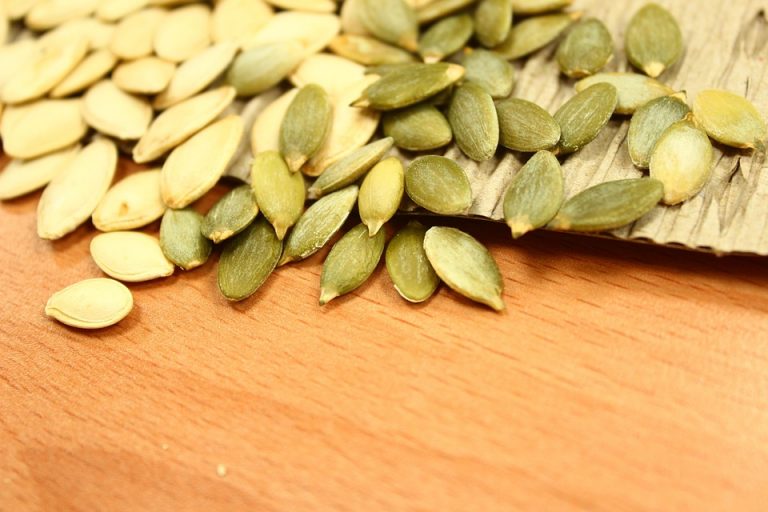

Almonds are often hailed as a superfood, but their benefits extend well beyond the realm of general nutrition. Joint health is a crucial aspect of overall wellness, yet many individuals overlook dietary choices that can support joint strength. As people become more aware of their health choices, the search for natural ways to enhance joint function grows. The good news is that incorporating almonds into your daily routine can provide significant benefits for joint strength effortlessly.

Understanding the connection between almonds and joint health requires a closer look at the specific nutrients and compounds found in these nuts. The combination of healthy fats, vitamins, and minerals present in almonds plays a pivotal role in maintaining joint integrity and reducing inflammation. For those grappling with joint discomfort or seeking to bolster their musculoskeletal system, almonds emerge as a practical and delicious solution.
This guide will delve into five compelling reasons why almonds can effortlessly boost joint strength. Each reason is backed by scientific principles and practical applications, allowing you to incorporate these nuts into your diet seamlessly. By the end of this exploration, you will have a comprehensive understanding of how to utilize almonds effectively for joint health and overall wellness.
The journey toward improved joint strength begins with understanding how to integrate almonds into your lifestyle. From simple snacking to creative culinary uses, the possibilities are endless. With a little effort, you can make almonds a staple in your diet while reaping the myriad benefits they have to offer.
Contents
How to Use Almonds for Real Results
- Best Form: Raw or roasted almonds
- Best Time: Mid-morning or as a pre-workout snack
- Expected Result: Enhanced joint mobility and reduced inflammation
For Daily Protection
The Prep: Start with a handful of raw almonds, about twenty to thirty. You may also want to soak them overnight to enhance digestibility and nutrient absorption. If desired, prepare a small bowl of water for soaking and a clean cloth for drying afterward.
The Action: After soaking, rinse the almonds thoroughly and dry them with the cloth. Enjoy them as a snack or add them to your breakfast oatmeal or yogurt. The key is to incorporate them into your daily routine consistently.
The Feeling: As you consume the almonds, you may notice a satisfying crunch and a rich, nutty flavor. Over time, you may experience improved joint mobility and less discomfort during physical activities.
Pro Tip: Keep a small container of almonds with you for easy access during the day to ensure you do not miss your daily intake.
Targeting Acute Pain
The Prep: For acute joint pain, prepare a small bowl of almond butter. You will need about two tablespoons of almond butter and some whole-grain bread or apple slices for pairing.
The Action: Spread the almond butter generously on the bread or dip the apple slices into it. This combination provides not only flavor but also healthy fats that can help reduce inflammation.
The Feeling: The creamy texture of almond butter can be comforting, and you may feel a sense of relief as the omega-3 fatty acids work to soothe inflammation. The effects may take some time, but consistent consumption can lead to noticeable improvements.
Pro Tip: Pair almond butter with anti-inflammatory foods like apples or bananas for an added health boost.
The Nighttime Routine
The Prep: Prepare a calming bedtime snack using almonds. Gather one ounce of almonds and a cup of herbal tea, such as chamomile, known for its soothing properties.
The Action: Enjoy the almonds while sipping on the herbal tea. This combination promotes relaxation and can help reduce stress, which is beneficial for overall joint health.
The Feeling: As you unwind with this snack, you may experience a sense of calm. The magnesium in almonds can contribute to muscle relaxation, potentially leading to better sleep quality and reduced joint pain the next day.
Pro Tip: Make this a nightly ritual to maximize the benefits of both the almonds and the calming effects of herbal tea.
Mistakes to Avoid for Optimal Results
Overconsumption of Processed Almond Products
Many individuals opt for almond-flavored snacks or processed almond products, thinking they are making a healthy choice. However, these products often contain added sugars, oils, and preservatives that can negate the health benefits of almonds. Stick to raw or minimally processed options to ensure you are receiving the full nutritional profile.
Choosing whole, raw almonds helps maintain their antioxidant properties and healthy fats. The benefits of almonds can be significantly diminished when consuming highly processed alternatives that are devoid of essential nutrients.
Neglecting Portion Control
While almonds are nutrient-dense, portion control is essential. Many people underestimate the caloric density of nuts. Consuming excessive amounts can lead to unwanted weight gain, which can put additional strain on joints.
Aim for a serving size of about one ounce, roughly twenty to thirty almonds. This amount is sufficient to gain the health benefits without overindulging.
Ignoring Other Nutritional Aspects
Focusing solely on almonds while neglecting other essential nutrients can hinder your overall joint health. A balanced diet includes a variety of foods rich in vitamins, minerals, and antioxidants.
Incorporate other sources of omega-3 fatty acids, such as fatty fish or flaxseeds, and ensure adequate intake of vitamins D and K, which are crucial for bone health. A holistic approach to nutrition will yield better results for joint strength.
The Biological Mechanism Behind Joint Health
Almonds contain a unique blend of nutrients that contribute to joint health. The healthy fats found in almonds, particularly monounsaturated fats, play a significant role in reducing inflammation. Inflammation is a key factor in joint pain and degradation.
Additionally, almonds are rich in vitamin E, a potent antioxidant that helps neutralize oxidative stress in the body. Oxidative stress can lead to joint inflammation and deterioration. By combating this stress, vitamin E supports overall joint integrity.
The key compound in almonds, alpha-tocopherol, has been shown to possess anti-inflammatory properties. Research indicates that this compound can significantly reduce markers of inflammation in the body. For more detailed clinical evidence, explore this link: Almonds and Joint Health.
Choosing the Right Almond Product
– **Potency:** Look for almonds that are labeled as raw or dry-roasted without added oils. These options retain the highest nutritional value.
-
Purity: Ensure that the almonds are free from additives or preservatives. This guarantees that you are consuming a product that is truly beneficial for joint health.
-
Form: Whole almonds, almond butter, or almond flour are all great options. Choose the form that best fits your dietary preferences and lifestyle to encourage consistent use.
Benefits vs Risks
| The Benefits | Potential Downsides |
|---|---|
| Rich in healthy fats that support joint lubrication. | Caloric density may contribute to weight gain if overconsumed. |
| High in antioxidants that combat inflammation. | Some individuals may have nut allergies. |
| Provides essential vitamins and minerals for overall health. | Processed almond products may contain unhealthy additives. |
Habits for Optimal Joint Health
Incorporating regular physical activity is essential for joint strength. Engage in low-impact exercises such as swimming or cycling to enhance mobility without putting excessive strain on the joints.
Staying hydrated is another crucial habit. Proper hydration supports joint lubrication and overall health. Aim to drink adequate water throughout the day to maintain optimal joint function.
Who Should Avoid This?
– Individuals with nut allergies
– Those on a low-calorie diet
– Individuals with specific gastrointestinal conditions, such as IBS
– Anyone taking anticoagulant medication
Common Questions
How many almonds should I consume daily for joint health?
A daily serving of about one ounce, or twenty to thirty almonds, is generally recommended for optimal benefits.
Can almond milk provide the same benefits?
Almond milk lacks the same nutrient density as whole almonds and should not be relied upon solely for joint health.
Are roasted almonds as beneficial as raw almonds?
Roasted almonds can still offer health benefits, but raw almonds generally retain more nutrients.
How long does it take to see results from consuming almonds?
Improvements in joint health may take several weeks of consistent consumption to become noticeable.
The Bottom Line
Incorporating almonds into your diet can significantly enhance joint strength and reduce inflammation.
- The Truth: Almonds are not a cure-all but a valuable addition to a balanced diet.
- The Strategy: Consume them daily for optimal results.
- The Next Step: Pair almonds with other nutrient-rich foods for enhanced benefits.
Get Your FREE Natural Health Guide!
Subscribe now and receive our exclusive ebook packed with natural health tips, practical wellness advice, and easy lifestyle changes, delivered straight to your inbox.