Did you know that your liver is one of the hardest-working organs in your body? It plays a crucial role in detoxification, metabolism, and even digestion. Yet, it often doesn’t get the love and attention it deserves until something goes wrong. Liver inflammation, a condition known as hepatitis, can be caused by various factors, including excessive alcohol consumption, viral infections, and even certain medications. If you’re looking to give your liver a little TLC, you might be surprised to learn that some everyday beverages can help combat inflammation naturally. Let’s dive into five powerful brews that can support liver health.
Contents
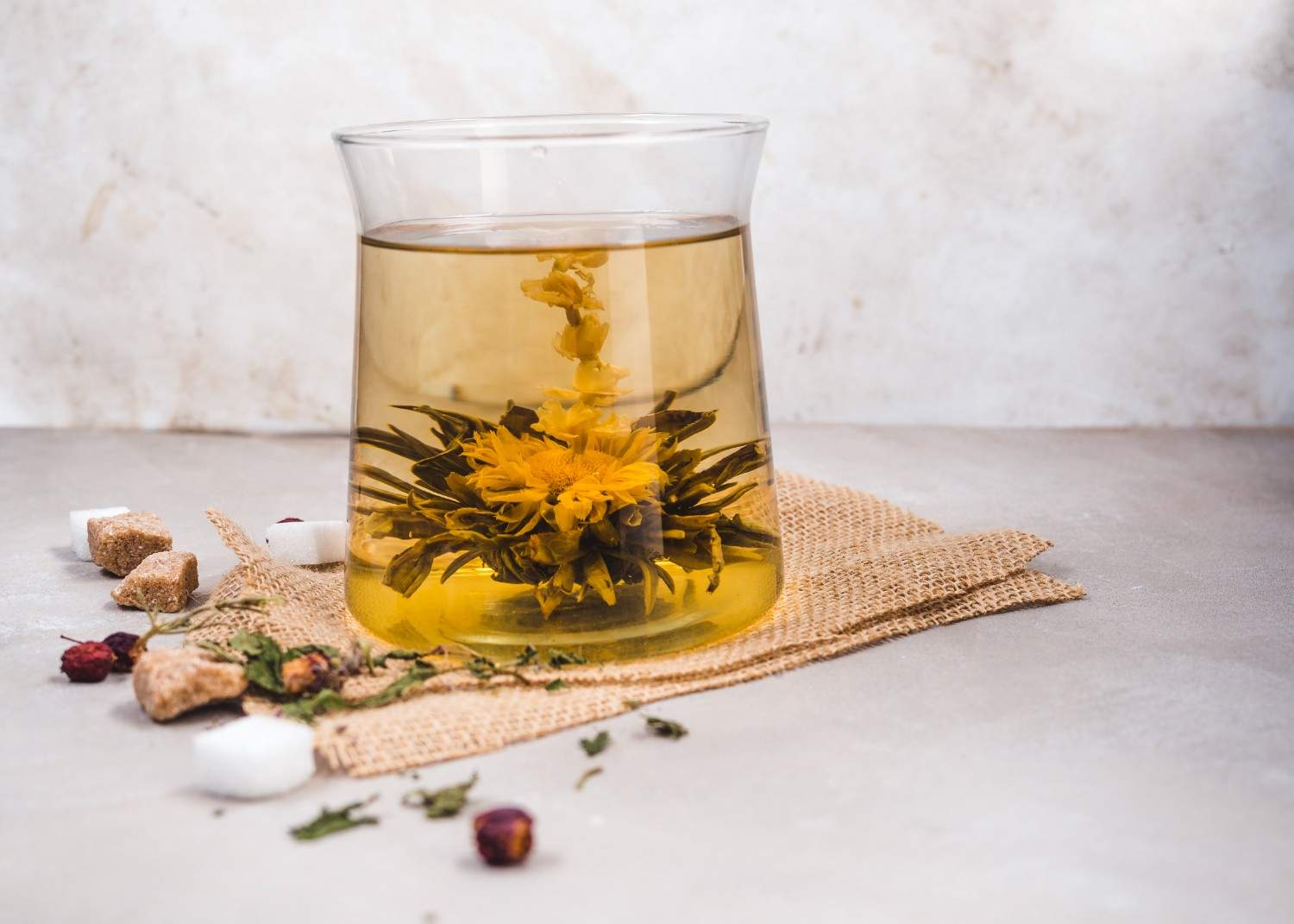
1. Green Tea: The Antioxidant Powerhouse
Why It Works
Green tea is often hailed as a superfood, and for good reason. It’s packed with antioxidants, particularly catechins, which have been shown to reduce liver inflammation and improve liver function. A study published in the Journal of Nutritional Biochemistry found that green tea extract significantly reduced liver fat and inflammation in patients with non-alcoholic fatty liver disease (NAFLD) (Huang et al., 2015).
How to Enjoy It
- Classic Brew: Steep green tea bags or loose leaves in hot water for about 3-5 minutes. Add a slice of lemon for extra flavor and vitamin C.
- Iced Green Tea: Brew a strong batch of green tea, let it cool, and serve it over ice. You can add mint leaves for a refreshing twist.
Pros and Cons
- Pros: Rich in antioxidants, promotes fat loss, and can improve overall liver health.
- Cons: Some people may find it too bitter. If you’re sensitive to caffeine, opt for decaffeinated versions.
2. Turmeric Tea: The Golden Brew
Why It Works
Turmeric contains curcumin, a compound that has potent anti-inflammatory properties. Research has shown that curcumin can help reduce liver inflammation and may even protect against liver damage. A study in the Hepatology International journal revealed that curcumin supplementation could significantly improve liver function markers (Liu et al., 2013).
How to Enjoy It
- Golden Milk: Combine turmeric powder, coconut milk, and a pinch of black pepper (to enhance absorption) in a saucepan. Heat gently and sweeten with honey if desired.
- Turmeric Ginger Tea: Steep fresh ginger and turmeric slices in hot water, and add lemon juice for a zesty kick.
Pros and Cons
- Pros: Anti-inflammatory, easy to make, and has additional health benefits such as improved digestion.
- Cons: Some may experience digestive upset if consumed in large amounts. It can also stain surfaces and clothes, so handle with care.
3. Dandelion Root Tea: Nature’s Detoxifier
Why It Works
Dandelion root has been used in traditional medicine for centuries, often touted for its liver-cleansing properties. It’s believed to stimulate bile production, which helps the liver process toxins more effectively. A 2018 study found that dandelion extract could reduce liver inflammation and fibrosis in animal models (Kim et al., 2018).
How to Enjoy It
- Dandelion Root Brew: Steep dried dandelion root in hot water for about 10 minutes. Add honey or lemon for flavor.
- Mixed Herbal Tea: Combine dandelion root with other herbs like peppermint or chamomile for a soothing blend.
Pros and Cons
- Pros: Natural detoxifier, rich in vitamins and minerals, and can aid digestion.
- Cons: Some people may be allergic to dandelions, and it can interact with certain medications.
4. Milk Thistle Tea: The Liver Protector
Why It Works
Milk thistle is another herb that has gained popularity for its liver-supportive properties. The active ingredient, silymarin, has been shown to have antioxidant effects, helping to protect liver cells from damage. A review in the World Journal of Gastroenterology highlights its potential to improve liver function and reduce inflammation (Saller et al., 2007).
How to Enjoy It
- Milk Thistle Infusion: Steep milk thistle seeds in hot water for about 10-15 minutes. You can also find pre-packaged milk thistle tea bags.
- Smoothie Addition: Blend milk thistle powder into your morning smoothie for an added health kick.
Pros and Cons
- Pros: Supports liver health, may improve liver function tests, and is generally well-tolerated.
- Cons: It can cause gastrointestinal upset in some individuals and may interact with certain medications.
5. Beetroot Juice: The Vibrant Detoxifier
Why It Works
Beetroot is known for its high content of betalains, which are antioxidants that help reduce inflammation. Studies suggest that beetroot juice can improve liver function and reduce oxidative stress in the liver. A study published in the Journal of Nutrition found that beetroot juice can lower levels of liver enzymes, indicating improved liver health (Kapil et al., 2015).
How to Enjoy It
- Fresh Beet Juice: Blend raw beets with water and strain for fresh juice. Add a splash of lemon for brightness.
- Beetroot Smoothie: Combine beet juice with fruits like apples or berries for a delicious, nutrient-packed smoothie.
Pros and Cons
- Pros: Rich in antioxidants, supports detoxification, and can improve stamina during exercise.
- Cons: Beetroot juice can be high in sugar, so moderation is key. Some people may experience a temporary change in urine color, which is harmless but surprising.
FAQs
1. Can I drink these brews every day?
Yes, most of these brews can be consumed daily. However, it’s essential to listen to your body and consult with a healthcare provider, especially if you have underlying health conditions.
2. Are there any side effects to be aware of?
While these brews are generally safe, some individuals may experience mild digestive issues or allergic reactions. It’s always a good idea to start with small amounts.
3. How long does it take to see results?
The timeline for noticing improvements in liver inflammation can vary. Incorporating these brews into a balanced diet may yield benefits over weeks to months.
4. Should I stop any medications if I start drinking these?
Never discontinue prescribed medications without consulting your healthcare provider. These brews can complement your diet but should not replace medical treatment.
Conclusion
Incorporating these powerful brews into your daily routine can be an enjoyable and effective way to support liver health and combat inflammation. From the antioxidant-rich green tea to the detoxifying beetroot juice, each option offers unique benefits that can contribute to your overall well-being. Remember, though, that these brews are just one piece of the puzzle. A balanced diet, regular exercise, and avoiding excessive alcohol are also crucial for maintaining a healthy liver.
So, why not brew a cup of something delicious and nourishing today? Your liver will thank you!
Disclaimer: This article is for educational purposes only and is not a substitute for professional medical advice. Always consult a qualified healthcare provider before making changes to your health routine.
References
-
Huang, Y., et al. (2015). Green tea extract improves liver function in patients with non-alcoholic fatty liver disease. Journal of Nutritional Biochemistry. Retrieved from https://www.ncbi.nlm.nih.gov/pmc/articles/PMC4361839/
-
Liu, Y., et al. (2013). Curcumin’s effects on liver function in patients with liver disease: A systematic review. Hepatology International. Retrieved from https://www.ncbi.nlm.nih.gov/pmc/articles/PMC3663040/
-
Saller, R., et al. (2007). The use of silymarin in the treatment of liver diseases. World Journal of Gastroenterology. Retrieved from https://www.ncbi.nlm.nih.gov/pmc/articles/PMC1950977/
-
Kapil, V., et al. (2015). Beetroot juice as a dietary source of nitrate: A review of its effects on exercise performance and health. Journal of Nutrition. Retrieved from https://www.ncbi.nlm.nih.gov/pmc/articles/PMC4425076/
-
Kim, Y. S., et al. (2018). The effects of dandelion on liver inflammation and fibrosis in rats. Journal of Ethnopharmacology. Retrieved from https://www.sciencedirect.com/science/article/abs/pii/S0378874117306785
Get Your FREE Natural Health Guide!
Subscribe now and receive our exclusive ebook packed with natural health tips, practical wellness advice, and easy lifestyle changes — delivered straight to your inbox.