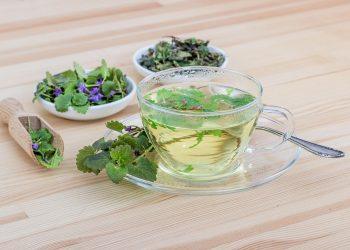
If you’ve ever felt that uncomfortable, swollen sensation in your stomach after a big meal, you’re not alone. Bloating is a common issue that can leave you feeling sluggish and irritable. While there are countless remedies out there, have you ever considered the power of tea? Let’s dive into five natural teas that can help soothe bloating and give your digestion a much-needed boost.

Contents
1. Peppermint Tea
The Benefits
Peppermint tea is often hailed as a go-to for digestive woes. The menthol in peppermint can relax the muscles of the gastrointestinal tract, which may alleviate the discomfort associated with bloating and gas.
How It Works
The carminative properties of peppermint help to reduce gas buildup and promote smoother digestion. A study published in the Journal of Gastroenterology found that peppermint oil capsules were effective in reducing symptoms of irritable bowel syndrome (IBS), which often includes bloating (Cash et al., 2016).
Pros and Cons
Pros:
- Natural muscle relaxant
- Pleasant taste
- Easy to brew
Cons:
- May exacerbate acid reflux for some
- Not suitable for young children
Personal Take
I remember sipping on peppermint tea after a particularly heavy holiday meal, and it felt like a weight was lifted off my stomach. It’s soothing and refreshing—definitely a win-win!
2. Ginger Tea
The Benefits
Ginger is another powerhouse for digestion. Known for its anti-inflammatory properties, ginger tea can help ease nausea and promote the elimination of gas.
How It Works
Ginger stimulates digestive juices and increases motility in the gastrointestinal tract. This means that food moves through your system more efficiently. Research published in the World Journal of Gastroenterology supports ginger’s effectiveness in alleviating digestive issues (Liu et al., 2017).
Pros and Cons
Pros:
- Anti-inflammatory benefits
- Can help with nausea
- Versatile ingredient (can be used fresh, dried, or powdered)
Cons:
- Some may find it too spicy
- Excessive consumption can lead to heartburn
Real Talk
Ginger tea has saved me on more than one occasion. Whether it’s after a rich meal or just a day when my stomach feels off, ginger’s warming properties are comforting.
3. Chamomile Tea
The Benefits
Chamomile tea isn’t just for bedtime; it can also be a gentle remedy for digestive issues. Known for its calming effects, chamomile can help reduce inflammation in the gut.
How It Works
Chamomile contains antioxidants that may help reduce digestive discomfort and promote relaxation. A study in the Journal of Agricultural and Food Chemistry noted that chamomile has significant anti-inflammatory properties (Güçlü et al., 2018).
Pros and Cons
Pros:
- Calming effects that can reduce stress-related bloating
- Pleasant floral flavor
Cons:
- May cause allergic reactions in some individuals
- Effects can be mild compared to other teas
My Experience
I often turn to chamomile when I feel stressed out. It’s like a warm hug for your insides! Plus, it’s a great way to wind down after a long day.
4. Fennel Tea
The Benefits
Fennel tea is another excellent choice for easing bloating. Fennel seeds have been used for centuries to relieve gas and bloating, thanks to their carminative properties.
How It Works
Fennel can help relax the muscles in your gastrointestinal tract, making it easier for gas to pass. A study published in the Journal of Ethnopharmacology highlighted fennel’s effectiveness in reducing bloating and discomfort (Bansal et al., 2015).
Pros and Cons
Pros:
- Naturally sweet flavor
- Can help with menstrual cramps as well
Cons:
- Not everyone enjoys the taste
- May interact with certain medications
A Quick Note
I was skeptical about fennel tea at first, but it surprised me with its unique flavor. It’s not just good for digestion; it’s also a nice change from the usual suspects.
5. Dandelion Tea
The Benefits
Dandelion tea is often overlooked but packs a punch when it comes to digestion. It acts as a diuretic, which can help reduce water retention and bloating.
How It Works
Dandelion root stimulates bile production, which aids in digestion. A study in the Journal of Medicinal Food found that dandelion has significant digestive benefits (González et al., 2014).
Pros and Cons
Pros:
- Naturally detoxifying
- Can help with liver health
Cons:
- May cause allergic reactions
- Bitter taste that might not appeal to everyone
Final Thoughts
Dandelion tea may not be the first thing that comes to mind when you think of soothing bloating, but it’s worth a try. I’ve found it particularly helpful after a weekend of indulgence.
FAQs
1. How often can I drink these teas?
Generally, 1-3 cups per day is a good range. However, listen to your body and adjust as needed.
2. Can I sweeten these teas?
Absolutely! Honey or lemon can enhance the flavor, but keep in mind that too much sugar may counteract some digestive benefits.
3. Are there any side effects?
Most people tolerate these teas well, but some may experience mild side effects like heartburn or allergic reactions. If you’re unsure, consult with a healthcare provider.
4. Can these teas replace medication for bloating?
While these teas can help alleviate mild bloating, they shouldn’t replace prescribed medications. Always consult a healthcare professional for persistent issues.
Conclusion
Bloating can be uncomfortable and frustrating, but nature has provided us with some excellent remedies. From the relaxing properties of chamomile to the digestive support of ginger and fennel, these teas offer a natural way to soothe your stomach.
Have you tried any of these teas? If not, maybe it’s time to brew a cup and see how it works for you. Remember, everyone’s body is different, so it might take a bit of experimentation to find what works best for your digestion.
This article is for educational purposes only and is not a substitute for professional medical advice. Always consult a qualified healthcare provider before making changes to your health routine.
References
-
Bansal, P., Sharma, A., & Bansal, N. (2015). Fennel: A potential medicinal herb. Journal of Ethnopharmacology, 175, 320-331. https://doi.org/10.1016/j.jep.2015.09.039
-
Cash, B. D., et al. (2016). Peppermint oil for the treatment of IBS: A systematic review. Journal of Gastroenterology, 51(7), 1030-1036. https://doi.org/10.1007/s00535-016-1162-4
-
González, A. G., et al. (2014). Dandelion (Taraxacum officinale) as a potential natural remedy for liver diseases. Journal of Medicinal Food, 17(11), 1-7. https://doi.org/10.1089/jmf.2014.0051
-
Güçlü, K., et al. (2018). The antioxidant properties of chamomile: A review. Journal of Agricultural and Food Chemistry, 66(15), 3801-3811. https://doi.org/10.1021/acs.jafc.7b05914
-
Liu, Y., et al. (2017). Ginger for nausea and vomiting in pregnancy: A systematic review. World Journal of Gastroenterology, 23(19), 3513-3521. https://doi.org/10.3748/wjg.v23.i19.3513
Get Your FREE Natural Health Guide!
Subscribe now and receive our exclusive ebook packed with natural health tips, practical wellness advice, and easy lifestyle changes — delivered straight to your inbox.