
Contents
5 Natural Remedies to Lower Blood Pressure with Nettle Tea
Did you know that nearly half of adults in the U.S. have high blood pressure? It’s a staggering statistic and one that highlights the importance of managing this condition effectively. While medication is often the go-to solution, many are turning to natural remedies to help lower their blood pressure. One interesting contender in this realm is nettle tea. Yes, that’s right—this humble plant has been used for centuries in traditional medicine, and recent studies suggest it might have some real benefits for blood pressure management. So, let’s dive into how nettle tea and other natural remedies can help you maintain healthy blood pressure levels.
What is Nettle Tea?
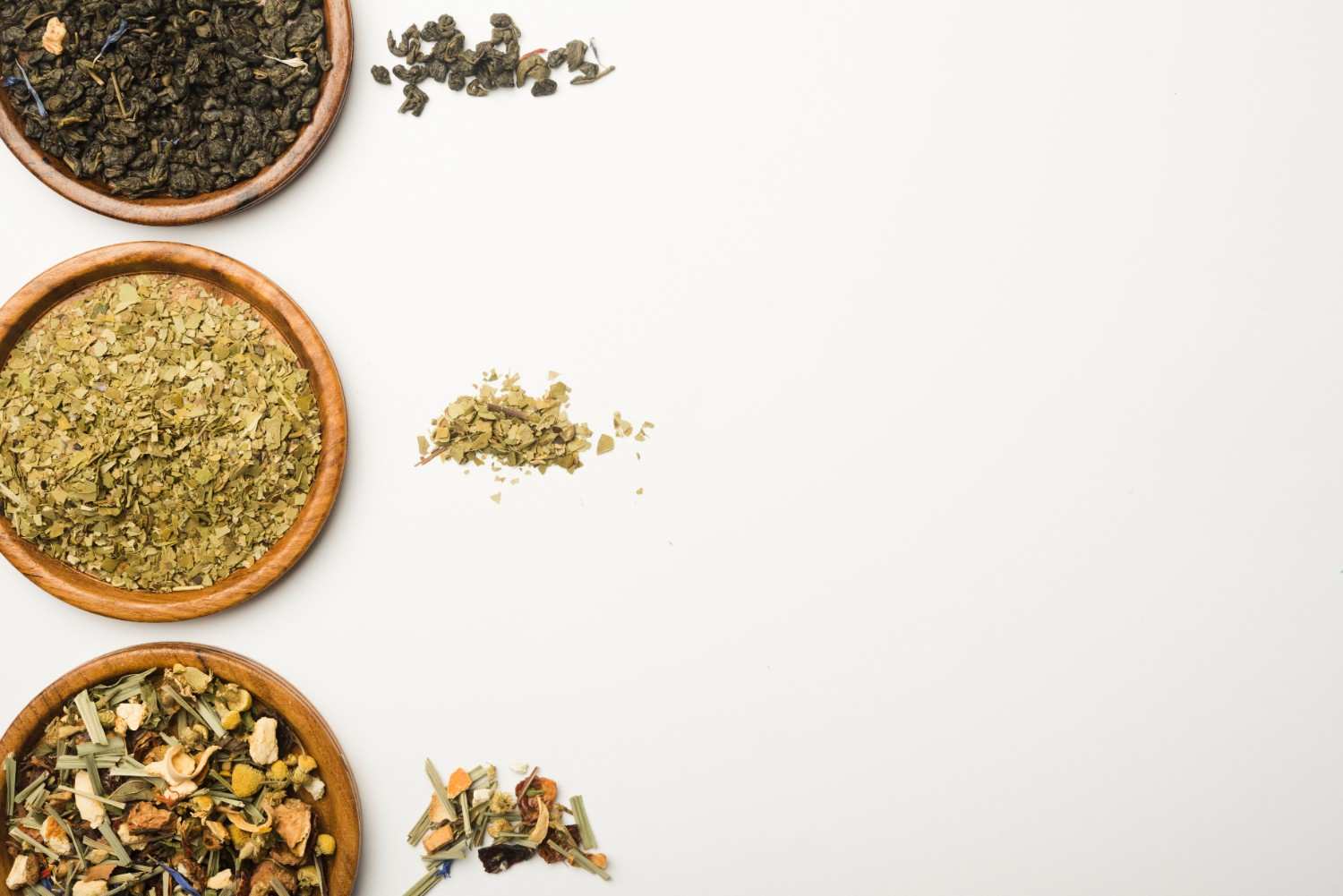
Nettle tea is brewed from the leaves of the stinging nettle plant (Urtica dioica), a perennial plant found in various parts of the world. The leaves are often dried and steeped to create a flavorful herbal tea. While some may shy away from it due to its prickly reputation, it has a long history of use in herbal medicine, particularly in Europe.
Nutritional Profile
Nettle is packed with vitamins and minerals, including vitamin A, C, K, and several B vitamins, as well as iron, calcium, magnesium, and potassium. This rich nutritional profile is one reason many herbalists advocate for its use in natural remedies.
1. Nettle Tea and Blood Pressure: What the Research Says
Recent studies have indicated that nettle tea may have a positive effect on blood pressure. A study published in the Journal of Ethnopharmacology found that nettle extract helped lower blood pressure in hypertensive rats. While animal studies don’t always translate directly to humans, they provide a promising starting point for further research.
The mechanism behind this effect could be related to nettle’s ability to act as a diuretic, helping your body eliminate excess sodium and water, which can reduce blood volume and subsequently lower blood pressure.
Pros and Cons
Pros:
- Natural and holistic approach
- Rich in nutrients
- May have diuretic effects
Cons:
- Limited human studies
- Potential interactions with medications (more on this later)
2. Other Natural Remedies to Consider
While nettle tea is a fantastic option, there are several other natural remedies that can help manage blood pressure:
2.1. Garlic
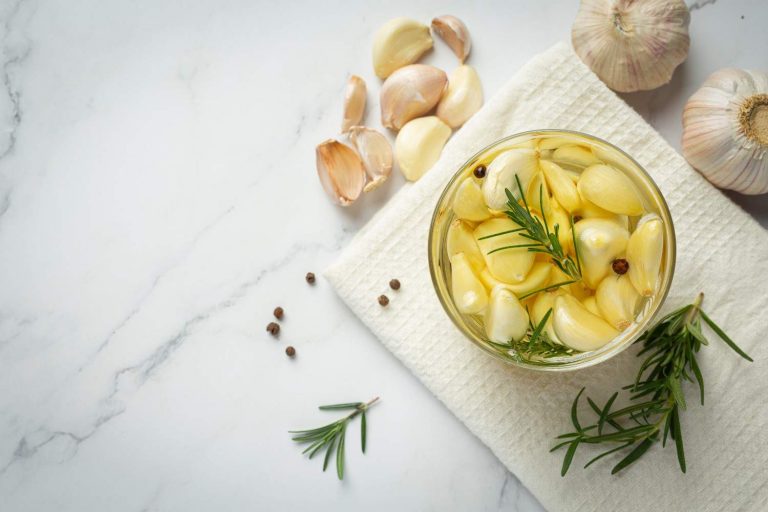
Garlic has been hailed for its health benefits for centuries. Research shows that garlic supplements can help lower blood pressure, particularly in those with hypertension. The active compound, allicin, is believed to relax blood vessels and improve circulation.
How to Use: Add raw garlic to your meals or consider garlic supplements after consulting with your healthcare provider.
2.2. Omega-3 Fatty Acids
Found in fatty fish like salmon and in flaxseeds and walnuts, omega-3 fatty acids can help reduce inflammation and lower blood pressure. A meta-analysis published in the American Journal of Hypertension found that omega-3 supplementation significantly lowered blood pressure in hypertensive individuals.
How to Use: Aim for at least two servings of fatty fish per week or consider a high-quality omega-3 supplement.
2.3. Hibiscus Tea
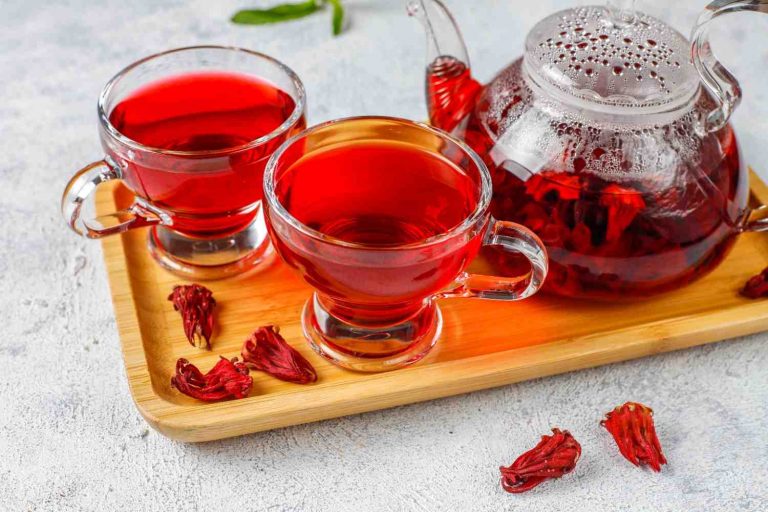
Hibiscus tea has gained popularity for its potential blood pressure-lowering effects. A study in the Journal of Nutrition found that drinking hibiscus tea significantly reduced blood pressure in adults with prehypertension and mild hypertension.
How to Use: Brew hibiscus tea and enjoy it hot or iced.
2.4. Dark Chocolate
Yes, you read that right! Dark chocolate (with a high cocoa content) can be beneficial for your heart health. Flavonoids in dark chocolate are known to improve blood vessel function and lower blood pressure.
How to Use: Enjoy a small piece of dark chocolate daily as part of a balanced diet.
2.5. Regular Exercise
While not a “remedy” in the traditional sense, regular physical activity can significantly lower blood pressure. Aim for at least 150 minutes of moderate aerobic activity each week.
How to Use: Find activities you enjoy, whether it’s walking, cycling, or yoga, and stick with them.
3. How to Prepare Nettle Tea
Making nettle tea is quite simple. Here’s a step-by-step guide:
Ingredients:
- 1-2 teaspoons dried nettle leaves
- 1 cup boiling water
- Optional: honey or lemon for flavor
Instructions:
- Boil Water: Bring a cup of water to a rolling boil.
- Add Nettle: Place the dried nettle leaves in a tea infuser or directly into the cup.
- Steep: Pour the boiling water over the nettle and let it steep for about 10-15 minutes.
- Strain: If you didn’t use an infuser, strain the tea to remove the leaves.
- Flavor: Add honey or lemon if desired, and enjoy!
4. Potential Risks and Considerations
While nettle tea is generally safe for most people, there are a few caveats:
-
Medication Interactions: Nettle can interact with diuretics, blood thinners, and blood pressure medications. Always consult your healthcare provider before adding nettle tea to your routine.
-
Allergic Reactions: Some individuals may experience allergic reactions to nettle. If you’re trying it for the first time, start with a small amount.
-
Pregnancy and Breastfeeding: Pregnant or breastfeeding women should consult their doctor before using nettle.
FAQs
Q1: How often can I drink nettle tea?
A: Most herbalists recommend 1-3 cups of nettle tea daily, but it’s best to consult with a healthcare provider for personal recommendations.
Q2: Can I take nettle tea with my blood pressure medication?
A: It’s crucial to consult your doctor first, as nettle may interact with certain medications.
Q3: Are there any side effects from drinking nettle tea?
A: While generally safe, some people may experience stomach upset or allergic reactions. If you notice any adverse effects, stop drinking it and consult a healthcare provider.
Q4: Can I make nettle tea with fresh nettle leaves?
A: Yes! You can use fresh leaves, but be sure to wear gloves when handling them, as they can sting.
Conclusion
Managing blood pressure doesn’t have to rely solely on medications. Natural remedies like nettle tea, garlic, and omega-3 fatty acids can play a significant role in maintaining a healthy blood pressure level. Of course, it’s essential to adopt a holistic approach that includes a balanced diet, regular exercise, and stress management.
As with any health change, consult with your healthcare provider before diving into natural remedies, especially if you’re on medication. Remember, while nettle tea offers promising benefits, individual results may vary, and ongoing research is essential to fully understand its effects.
This article is for educational purposes only and is not a substitute for professional medical advice. Always consult a qualified healthcare provider before making changes to your health routine.
References
-
Hossain, M. M., & Rahman, M. M. (2018). Antihypertensive effect of Urtica dioica in hypertensive rats. Journal of Ethnopharmacology, 219, 221-227. https://doi.org/10.1016/j.jep.2018.03.045
-
Mozaffarian, D., & Wu, J. H. (2011). Omega-3 fatty acids and cardiovascular disease: A scientific statement from the American Heart Association. American Journal of Hypertension, 24(1), 1-10. https://doi.org/10.1038/ajh.2010.199
-
McKay, D. L., & Miller, A. L. (2009). Herbal tea consumption and its effect on blood pressure. Journal of Nutrition, 139(4), 757-763. https://doi.org/10.3945/jn.108.096301
Get Your FREE Natural Health Guide!
Subscribe now and receive our exclusive ebook packed with natural health tips, practical wellness advice, and easy lifestyle changes, delivered straight to your inbox.