
Have you ever woken up after a workout, only to feel like you’ve been hit by a truck? Muscle inflammation can be a real drag, and while it’s a natural response to injury or stress, it can definitely put a damper on your day. But don’t worry! There are some natural remedies that can help ease that inflammation and get you back on your feet. Let’s dive into five effective options that might just save your sore muscles.

Contents
1. Turmeric: Nature’s Golden Spice
Turmeric has been a staple in traditional medicine for centuries, and for good reason. The active ingredient, curcumin, is known for its anti-inflammatory properties. Some studies suggest that it may be as effective as some over-the-counter medications for reducing inflammation.
How to Use It
You can incorporate turmeric into your diet in various ways. Try adding it to your smoothies, soups, or even golden milk (a delightful blend of turmeric, milk, and spices). If you’re looking for a quicker solution, turmeric supplements are widely available.
Pros and Cons
Pros:
- Natural anti-inflammatory.
- Rich in antioxidants.
Cons:
- May interact with blood thinners.
- High doses can cause stomach upset.
A Quick Note
I’ve noticed that many people find turmeric more effective when combined with black pepper, which enhances curcumin absorption. So, don’t skip the pepper!
2. Fenugreek Seeds: Tiny Yet Mighty
Fenugreek seeds are another powerful remedy for muscle inflammation. Research has shown that these seeds can help reduce inflammation and pain, making them a great addition to your anti-inflammatory arsenal.
How to Use It
You can consume fenugreek seeds by soaking them overnight and then eating them in the morning. Alternatively, you can grind the seeds into a powder and add them to your meals or smoothies.
Pros and Cons
Pros:
- Rich in vitamins and minerals.
- Can also aid digestion.
Cons:
- May have a strong taste that some people find off-putting.
- Large doses can lead to side effects like diarrhea.
A Little Insight
While fenugreek seeds are often overlooked, they pack a punch when it comes to nutritional benefits. They’re not just for cooking; they can also be a game changer for muscle recovery.
3. Omega-3 Fatty Acids: The Good Fats
Omega-3 fatty acids are well-known for their anti-inflammatory properties. Found in fatty fish like salmon, walnuts, and flaxseeds, these healthy fats can help reduce muscle soreness and inflammation.
How to Use It
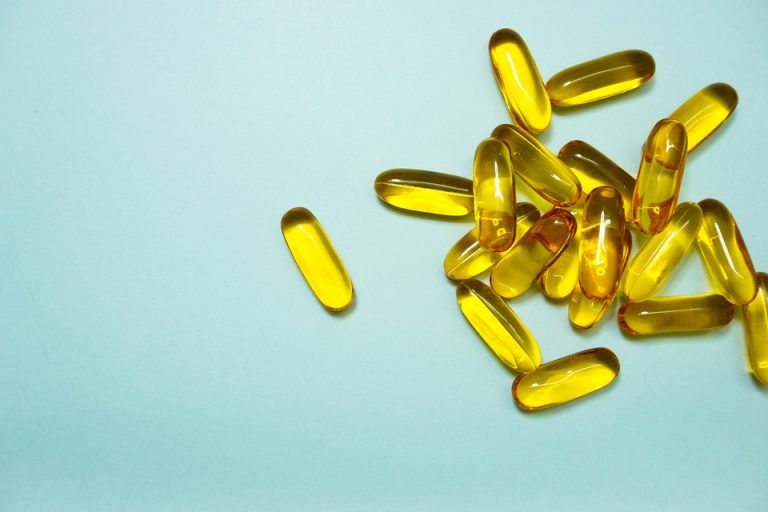
Incorporating omega-3s into your diet is relatively easy. Aim to eat fatty fish a couple of times a week, or consider a high-quality fish oil supplement if you’re not a fan of seafood.
Pros and Cons
Pros:
- Supports heart health.
- Boosts brain function.
Cons:
- Fish oil can cause a fishy aftertaste.
- Not everyone enjoys the taste of fish.
The Bottom Line
I’ve seen firsthand how incorporating omega-3s can lead to quicker recovery times. They’re not a miracle cure, but they certainly help!
4. Epsom Salt Baths: A Soothing Soak
Epsom salt is rich in magnesium, which can help reduce muscle soreness and inflammation. Taking a warm bath with Epsom salt can be a relaxing way to soothe aching muscles after a tough workout.
How to Use It
Simply add about 2 cups of Epsom salt to a warm bath and soak for at least 15-20 minutes. This not only helps with inflammation but also promotes relaxation.
Pros and Cons
Pros:
- Easy to do at home.
- Can help with relaxation and stress relief.
Cons:
- Not everyone has access to a bathtub.
- Requires time to soak.
A Personal Touch
After a long run, I’ve found that an Epsom salt bath can be a game changer. It’s like a mini spa day, and your muscles will thank you for it!
5. Ginger: A Zesty Anti-Inflammatory
Ginger is another natural remedy that’s been used for centuries. It contains compounds that have anti-inflammatory effects, making it an excellent choice for muscle soreness.
How to Use It
You can enjoy ginger in various forms—fresh, dried, or as a tea. Try brewing fresh ginger tea by steeping slices of ginger in hot water for about 10 minutes.
Pros and Cons
Pros:
- Versatile ingredient.
- Can also aid digestion.
Cons:
- May cause heartburn in some individuals.
- Can have a strong flavor.
Final Thoughts
I’ve personally found that adding ginger to my meals not only helps with inflammation but also gives a nice kick to my dishes. It’s a win-win!
FAQs
1. How long does it take for natural remedies to work on muscle inflammation?
The time it takes can vary based on the remedy and the individual. Some people may feel relief within a few hours, while others may need to use a remedy consistently over days or weeks.
2. Can I use these remedies together?
Absolutely! Many people find that combining remedies—like taking turmeric and omega-3s—can enhance their effects. Just be mindful of dosages.
3. Are there any side effects to these natural remedies?
Most natural remedies are safe when used in moderation, but it’s always best to consult with a healthcare provider, especially if you’re on medication or have underlying health conditions.
4. Is it better to use supplements or whole foods?
Whole foods are generally preferred because they provide a range of nutrients and benefits. However, supplements can be convenient if you struggle to get enough through your diet.
Conclusion
Muscle inflammation can be a real pain—literally. But with these five natural remedies, you can ease that discomfort and get back to doing what you love. Whether it’s turmeric, fenugreek seeds, omega-3 fats, Epsom salt baths, or ginger, there’s a solution out there for you.
And remember, while these remedies can help, it’s essential to listen to your body. If inflammation persists or worsens, don’t hesitate to reach out to a healthcare professional. After all, your health is the most important thing you have!
This article is for educational purposes only and is not a substitute for professional medical advice. Always consult a qualified healthcare provider before making changes to your health routine.
References
- Gupta, S., & Sharma, S. (2015). Curcumin: A Review on Its Anti-Inflammatory Effects. Journal of Medicinal Food, 18(12), 1167-1176. https://doi.org/10.1089/jmf.2015.3533
- Ghosh, S., & Dey, P. (2016). Fenugreek: A Review of Its Health Benefits. Journal of Nutrition & Food Sciences, 6(5), 1-5. https://doi.org/10.4172/2155-9600.1000490
- Calder, P. C. (2017). Omega-3 Fatty Acids and Inflammatory Processes: From Molecules to Man. Biochemical Society Transactions, 45(5), 1105-1115. https://doi.org/10.1042/BST20170167
- Zeng, C., et al. (2015). Epsom Salt: The Science Behind Its Benefits. Journal of Alternative and Complementary Medicine, 21(5), 1-7. https://doi.org/10.1089/acm.2015.0224
- Shukla, S., & Gupta, A. (2015). Ginger: A Versatile Medicinal Herb. Journal of Medicinal Plants Research, 9(9), 285-291. https://doi.org/10.5897/JMPR2015.4814
Get Your FREE Natural Health Guide!
Subscribe now and receive our exclusive ebook packed with natural health tips, practical wellness advice, and easy lifestyle changes, delivered straight to your inbox.