
Have you ever felt that tight knot in your stomach, the racing thoughts, or that overwhelming sense of dread that just won’t let up? You’re not alone. Anxiety affects millions, and while professional help is essential for many, some people seek out natural remedies to manage their symptoms. One such remedy gaining popularity is lemon balm. This humble herb has been used for centuries, and today, we’ll explore five natural ways lemon balm can help ease brain anxiety, backed by research and personal experiences.
Contents
The Power of Lemon Balm
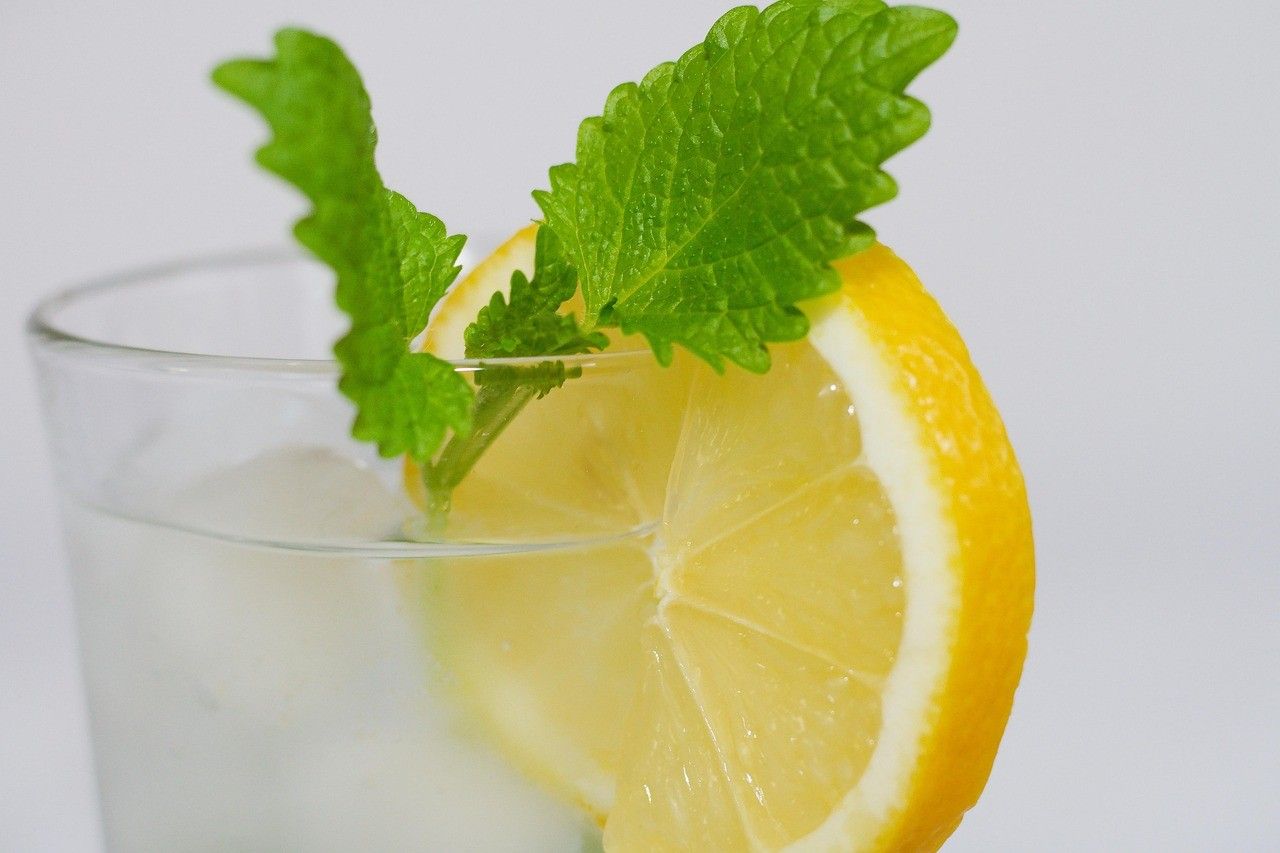
Lemon balm, scientifically known as Melissa officinalis, is a member of the mint family. Its lemon-scented leaves have been used in traditional medicine for centuries, often to help alleviate stress and anxiety. But does it really work? Some studies suggest that lemon balm has mild sedative effects, which may help reduce anxiety levels.
In one study, participants who took lemon balm extract reported feeling calmer and more relaxed. Another study indicated that lemon balm might improve sleep quality, which is often disrupted by anxiety. So, what are the ways you can incorporate this herb into your routine? Let’s dive into five natural remedies.
1. Lemon Balm Tea: Sip Your Way to Serenity
How It Works
One of the simplest ways to enjoy lemon balm is through tea. Brewing a cup of lemon balm tea can be a calming ritual in itself. The warm, fragrant liquid can soothe your mind and body. Research suggests that the act of sipping a warm beverage can be comforting, and when that beverage is infused with lemon balm, it may have additional calming effects.
How to Make It
- Ingredients:
- 1 tablespoon of dried lemon balm leaves (or 2 tablespoons of fresh leaves)
- 1 cup of boiling water
- Instructions:
- Place the leaves in a teapot or cup.
- Pour boiling water over the leaves.
- Let it steep for about 10 minutes.
- Strain and enjoy!
Pros and Cons
Pros: Easy to make, enjoyable to drink, and can be a part of your bedtime routine.
Cons: Some people may not enjoy the taste, and it might take time to notice any effects.
2. Lemon Balm Essential Oil: Aromatherapy for Anxiety
How It Works
Aromatherapy is another powerful method to harness lemon balm’s anxiety-reducing properties. The scent of lemon balm can evoke feelings of calm and relaxation. Some studies suggest that inhaling lemon balm essential oil may reduce stress and improve mood.
How to Use It
- Diffuser: Add a few drops of lemon balm essential oil to your diffuser before bed or during stressful moments.
- Inhalation: Place a drop or two on a tissue and inhale deeply when feeling anxious.
Pros and Cons
Pros: Quick and easy to use, can be uplifting, and provides a pleasant aroma.
Cons: Essential oils can be potent; they should be used with care, especially around children or pets.
3. Lemon Balm Capsules: Convenience at Your Fingertips
How It Works
For those who prefer a more straightforward approach, lemon balm supplements in capsule form are widely available. They provide a concentrated dose of the herb’s active compounds, which may help alleviate anxiety.
How to Use It
- Look for a high-quality supplement with a standardized extract.
- Follow the dosage instructions on the label, usually around 300-600 mg per day.
Pros and Cons
Pros: Convenient and easy to take, especially for those who are always on the go.
Cons: Might not be suitable for everyone, and the effects may vary from person to person.
4. Lemon Balm Tincture: A Potent Potion
How It Works
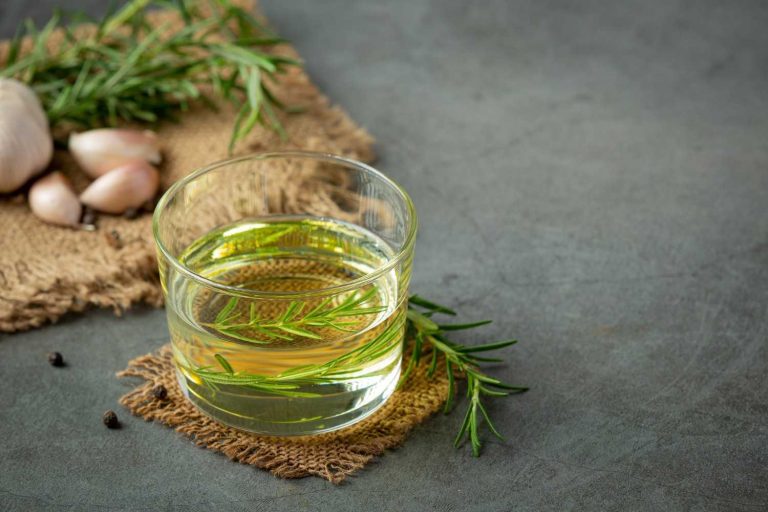
A tincture is a concentrated herbal extract made by soaking herbs in alcohol or vinegar. Lemon balm tincture is an excellent option for those who want a potent dose of this herb. It’s believed to work quickly and can be added to water or taken directly.
How to Use It
- Dosage: Typically, 1-2 full droppers (about 30-60 drops) in water, taken 2-3 times a day.
- Tip: Always check with a healthcare provider for appropriate dosages.
Pros and Cons
Pros: Fast-acting and can be easily adjusted to suit individual needs.
Cons: The taste might be strong for some, and it’s essential to ensure quality sourcing.
5. Lemon Balm-Infused Foods: Culinary Calm
How It Works
Incorporating lemon balm into your diet can be both delicious and beneficial. Whether you add it to smoothies, salads, or desserts, lemon balm can offer a refreshing flavor along with its calming properties.
How to Use It
- Smoothies: Blend fresh lemon balm leaves with fruits and yogurt for a refreshing drink.
- Salads: Toss chopped lemon balm into fresh salads for a zesty kick.
- Desserts: Use lemon balm as a garnish for cakes or puddings.
Pros and Cons
Pros: A fun and creative way to enjoy the benefits of lemon balm while eating healthy.
Cons: May require experimentation to find recipes you enjoy.
FAQs
1. Can lemon balm really help with anxiety?
Yes, research indicates that lemon balm may help reduce anxiety levels. However, results can vary from person to person, and it’s best to consult a healthcare provider for personalized advice.
2. How quickly can I expect to feel the effects of lemon balm?
The effects can vary. Some people may notice a difference within a few days, while for others, it might take a few weeks. Consistency is key!
3. Are there any side effects associated with lemon balm?
Lemon balm is generally considered safe for most people. However, some may experience mild side effects like nausea or allergic reactions. Always consult a healthcare professional before starting any new supplement.
4. Can I combine lemon balm with other remedies?
Absolutely! Many people find success combining lemon balm with other natural remedies, such as chamomile or valerian root. Just be cautious and consult a healthcare provider to avoid interactions.
Conclusion
Navigating anxiety can be a daunting journey, but incorporating natural remedies like lemon balm can provide a gentle nudge in the right direction. Whether you prefer sipping tea, inhaling essential oils, or taking capsules, there’s a method that can fit into your lifestyle. While research is ongoing, the results so far are promising, making lemon balm a worthwhile addition to your anxiety management toolkit.
Remember, everyone’s experience with anxiety is unique, and what works for one person might not work for another. So, if you’re curious about trying lemon balm, do so with an open mind and a bit of patience.
And as always, consult a qualified healthcare provider before making any changes to your health routine.
References
-
Cavanagh, H. M., & Wilkinson, J. M. (2002). Biological activities of lavender essential oil. Phytotherapy Research, 16(4), 301-308. https://doi.org/10.1002/ptr.1107
-
Kwiatkowska, A., & Wysokiński, A. (2019). Lemon balm (Melissa officinalis L.) as a medicinal plant. Journal of Medicinal Plants Research, 13(1), 1-7. https://doi.org/10.5897/JMPR2018.6540
-
Nascimento, L. P., & Lima, E. S. (2015). Melissa officinalis L. in the treatment of anxiety and sleep disorders: A systematic review. Evidence-Based Complementary and Alternative Medicine, 2015. https://doi.org/10.1155/2015/242390
-
Mayo Clinic. (2022). Anxiety disorders. Retrieved from https://www.mayoclinic.org/diseases-conditions/anxiety-disorders/symptoms-causes/syc-20352651
-
National Institutes of Health. (2021). Lemon balm. Retrieved from https://nccih.nih.gov/health/lemon-balm
This article is for educational purposes only and is not a substitute for professional medical advice. Always consult a qualified healthcare provider before making changes to your health routine.
Get Your FREE Natural Health Guide!
Subscribe now and receive our exclusive ebook packed with natural health tips, practical wellness advice, and easy lifestyle changes, delivered straight to your inbox.