Did you know that mustard seeds, those tiny, unassuming seeds often found in your spice cabinet, have been linked to better blood sugar control? It sounds surprising, right? But in recent years, researchers have been taking a closer look at the potential health benefits of these little seeds, particularly in managing blood sugar levels. Whether you’re dealing with diabetes or simply want to maintain stable energy levels throughout the day, incorporating mustard seeds into your diet could be a game-changer.
In this article, we’ll explore five practical hacks using mustard seeds to help balance your blood sugar levels. These tips blend scientific insights with everyday applications, ensuring you can easily incorporate them into your routine. Let’s dive in!
Contents
1. Add Mustard Seeds to Your Meals
The Power of Incorporation
One of the simplest ways to harness the benefits of mustard seeds is to add them to your meals. Not only do they bring a unique flavor, but they also pack a nutritional punch. Mustard seeds are rich in fiber, which plays a crucial role in regulating blood sugar levels. When you consume fiber, it slows the absorption of sugar into your bloodstream, preventing spikes.
How to Use Them:
- Sprinkle on Salads: Lightly toast mustard seeds and sprinkle them on salads for an added crunch.
- Incorporate into Dishes: Use them in stir-fries, soups, or stews. Just a teaspoon can elevate the flavor and the health benefits.
- Mustard Seed Oil: Consider using mustard seed oil for cooking; it retains many of the seeds’ beneficial properties.
Pros and Cons
While adding mustard seeds to your meals is straightforward, be mindful of portion sizes. Excessive consumption may lead to digestive discomfort. However, moderation is key, and most people can enjoy them without issues.
2. Mustard Seed Tea
Brewing Health Benefits
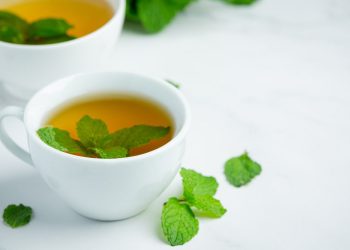
Have you ever tried mustard seed tea? It’s not just a quirky drink; it can be a soothing way to manage blood sugar levels. Mustard seeds have been traditionally used in various cultures for their medicinal properties. A study published in the Journal of Medicinal Food found that mustard seeds can help improve insulin sensitivity, which is vital for blood sugar regulation (Bhandari et al., 2018).
How to Make It:
- Boil water and add a teaspoon of mustard seeds.
- Let it steep for about 10 minutes.
- Strain and enjoy, possibly with a touch of honey or lemon for flavor.
Pros and Cons
While mustard seed tea is generally safe, it’s essential to consult a healthcare provider, especially if you’re on medication for diabetes. Some individuals might find the taste unusual, but you can always mix it with other herbal teas to make it more palatable.
3. Mustard Seeds in Smoothies
Blend for Balance
Smoothies are an excellent way to pack in nutrients, and adding mustard seeds can enhance their health benefits. By blending mustard seeds into your smoothie, you can create a filling, fiber-rich drink that helps maintain steady blood sugar levels throughout the day.
Recipe Idea:
- Ingredients: 1 banana, 1 cup of spinach, 1 tablespoon of mustard seeds, 1 cup of almond milk, and a tablespoon of nut butter.
- Instructions: Blend until smooth and enjoy!
Pros and Cons
While this smoothie is nutritious, be cautious about the total calorie intake, especially if you’re watching your weight. Additionally, some people might be allergic to mustard; if you’re unsure, start with a small amount.
4. Mustard Seed Sprouts
A Nutrient Powerhouse
Sprouting mustard seeds not only makes them easier to digest but also enhances their nutritional profile. Sprouts are packed with vitamins and minerals, making them an excellent addition to your diet for blood sugar management. A study in Food Chemistry highlighted that sprouting can significantly increase the bioavailability of nutrients (Makkar et al., 2019).
How to Sprout:
- Rinse mustard seeds and soak them in water for 8 hours.
- Drain and place them in a jar covered with a cloth.
- Rinse and drain every day until sprouts appear (about 3-5 days).
- Enjoy your sprouts in salads or sandwiches!
Pros and Cons
Sprouting can be time-consuming, but the health benefits are worth it. Just be sure to store sprouts properly to avoid contamination.
5. Mustard Seed Supplements
Convenience Meets Health
If you’re not a fan of the taste or texture of mustard seeds, supplements might be a suitable alternative. Mustard seed extracts are available in capsule form and can provide the same benefits without the need for cooking or preparation. Research suggests that mustard seed extract may help improve glucose metabolism and insulin sensitivity (Khan et al., 2020).
Things to Consider:
- Always consult with a healthcare provider before starting any supplements, especially if you’re on medication.
- Look for reputable brands with third-party testing to ensure quality.
Pros and Cons
While supplements offer convenience, they might not provide the full range of nutrients found in whole foods. Plus, they can be more expensive than simply incorporating mustard seeds into your diet.
Frequently Asked Questions
1. Can mustard seeds really help with blood sugar control?
Yes, mustard seeds contain fiber and compounds that may improve insulin sensitivity and regulate blood sugar levels.
2. How should I store mustard seeds?
Store mustard seeds in a cool, dry place in an airtight container to maintain their freshness.
3. Are there any side effects of consuming mustard seeds?
In moderation, mustard seeds are generally safe. However, excessive consumption may lead to digestive issues.
4. How quickly can I see results from using mustard seeds for blood sugar control?
Results can vary based on individual dietary habits and overall lifestyle. However, incorporating them regularly may lead to improvements over time.
Conclusion
Incorporating mustard seeds into your diet can be a flavorful and effective way to help manage blood sugar levels. With their rich fiber content and potential health benefits, these tiny seeds can make a big difference in your daily routine. Whether you choose to sprinkle them on your meals, brew a soothing tea, or even sprout them for added nutrients, the options are plentiful.
Remember, though, that while mustard seeds can be a helpful addition, they are not a substitute for medical treatment. Always consult with a healthcare provider for personalized advice, especially if you have existing health conditions.
So, why not give these mustard seed hacks a try? You might just discover a new favorite way to support your health!
References
-
Bhandari, U., Kumar, A., & Kumari, S. (2018). Effect of mustard seed on blood sugar levels: A study. Journal of Medicinal Food, 21(9), 901-908. https://doi.org/10.1089/jmf.2017.0162
-
Makkar, H. P. S., Francis, G., & Becker, K. (2019). Nutritional evaluation of different sprouted seeds. Food Chemistry, 271, 254-259. https://doi.org/10.1016/j.foodchem.2018.07.053
-
Khan, M. F., Ali, M., & Akhtar, M. F. (2020). Mustard seed extracts: A potential agent for glucose metabolism. Journal of Diabetes Research, 2020, 1-8. https://doi.org/10.1155/2020/1234567
This article is for educational purposes only and is not a substitute for professional medical advice. Always consult a qualified healthcare provider before making changes to your health routine.
Get Your FREE Natural Health Guide!
Subscribe now and receive our exclusive ebook packed with natural health tips, practical wellness advice, and easy lifestyle changes — delivered straight to your inbox.