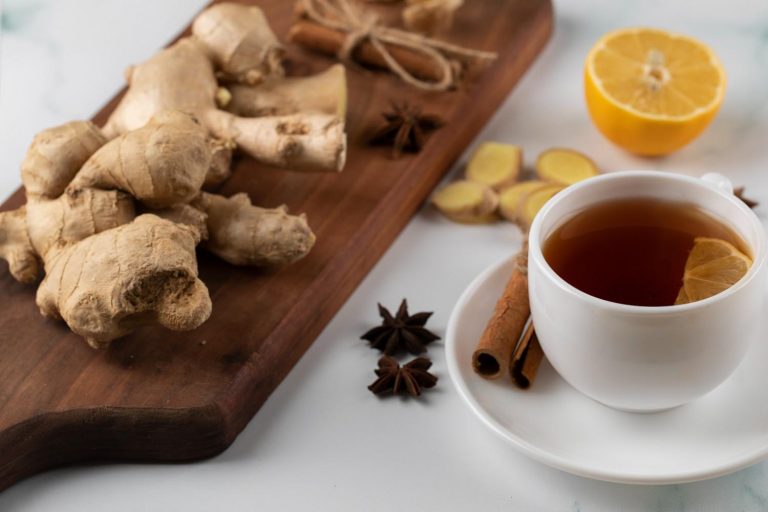
Did you know that your skin is your largest organ? It’s not just a barrier; it’s a reflection of your internal health. When things are off balance inside, it often shows up on your skin. That’s why many people are turning to natural remedies, especially herbs, to detox and rejuvenate their skin. If you’re curious about what herbs you can incorporate into your skincare routine, you’re in for a treat. Let’s dive into five powerful herbs that can transform your skin detox routine.
Contents
1. Dandelion: The Resilient Detoxifier
You might think of dandelions as pesky weeds, but they’re actually a powerhouse for skin detox. Packed with vitamins A, C, and K, dandelion can help purify your liver, which in turn promotes clearer skin. The liver plays a crucial role in detoxification, and when it’s functioning optimally, it can help reduce skin issues like acne and eczema.
How to Use Dandelion
- Dandelion Tea: Brew a cup of dandelion tea to enjoy its detoxifying properties. Just steep the leaves in hot water for about 10 minutes.
- Topical Application: You can also create a dandelion-infused oil to apply directly to your skin. Simply soak dandelion petals in a carrier oil, like olive oil, for a few weeks.
Pros and Cons
Pros: Dandelion is widely available and easy to use. It’s also generally safe for most people.
Cons: If you’re allergic to ragweed, you might want to avoid dandelion, as it can trigger similar reactions.
2. Turmeric: The Golden Anti-Inflammatory
Turmeric isn’t just a spice that adds flavor to your food; it’s a potent herb known for its anti-inflammatory properties. Curcumin, the active compound in turmeric, has been shown to reduce inflammation and redness, making it a fantastic option for those with acne-prone or irritated skin.
How to Use Turmeric
- Face Mask: Mix turmeric powder with yogurt or honey to create a soothing face mask. Leave it on for about 15 minutes, then rinse it off.
- Golden Milk: Incorporate turmeric into your diet with a warm glass of golden milk. Just combine turmeric with milk (dairy or plant-based), a pinch of black pepper, and a sweetener of your choice.
Pros and Cons
Pros: Turmeric is widely studied, and its benefits for skin health are well-documented. Plus, it’s delicious!
Cons: It can stain your skin and clothing, so be cautious with application.
3. Aloe Vera: The Skin Soother
Aloe vera has been used for centuries for its soothing properties. It’s rich in vitamins, minerals, and antioxidants, making it a fantastic herb for detoxifying the skin. Aloe vera can help hydrate the skin and reduce inflammation, which is especially beneficial for conditions like psoriasis and acne.
How to Use Aloe Vera
- Direct Application: Cut a fresh aloe vera leaf and apply the gel directly to your skin. Leave it on for about 20 minutes for maximum effect.
- Aloe Vera Juice: Consuming aloe vera juice can help detox your body from the inside, contributing to clearer skin.
Pros and Cons
Pros: Aloe vera is safe for most skin types and has a cooling effect, making it perfect for sunburns.
Cons: Some people might experience allergic reactions, so it’s best to do a patch test first.
4. Rosemary: The Antioxidant Powerhouse
Rosemary is often used in cooking, but it’s also a fantastic herb for skin health. It’s packed with antioxidants that can help combat free radicals, which contribute to skin aging. Rosemary can improve circulation, which promotes healthier skin.
How to Use Rosemary
- Rosemary Infused Oil: Create your own rosemary-infused oil by steeping rosemary leaves in a carrier oil. Use this oil in your skincare routine or massage it into your skin.
- Herbal Bath: Add dried rosemary to your bath for a relaxing soak that will also benefit your skin.
Pros and Cons
Pros: Rosemary is easy to find and can be used in various ways, both topically and internally.
Cons: If you have sensitive skin, be cautious with concentrated forms, as they might irritate.
5. Chamomile: The Calming Herb
Chamomile is known for its calming effects, but it’s also a great herb for skin detox. Rich in antioxidants and anti-inflammatory properties, chamomile can help soothe irritated skin and reduce redness.
How to Use Chamomile
- Chamomile Tea: Drink chamomile tea to enjoy its internal benefits, or use cooled tea bags as a compress for your eyes and face for a soothing effect.
- Face Mask: Combine chamomile powder with honey or yogurt to create a nourishing face mask.
Pros and Cons
Pros: Chamomile is gentle and suitable for sensitive skin types.
Cons: If you’re allergic to plants in the daisy family, you should avoid chamomile.
Frequently Asked Questions
1. Can I combine these herbs in my skincare routine?
Absolutely! Many of these herbs complement each other well. For example, a face mask with turmeric and honey can be enhanced with a few drops of rosemary oil for added benefits.
2. How long does it take to see results?
Results can vary, but consistency is key. You might start to notice improvements in your skin within a few weeks of regular use.
3. Are there any side effects to using these herbs?
While most herbs are safe, it’s crucial to do a patch test first. If you experience irritation or an allergic reaction, discontinue use immediately.
4. Can I use these herbs if I have sensitive skin?
Many of these herbs, like chamomile and aloe vera, are suitable for sensitive skin. However, always perform a patch test to ensure you don’t have any adverse reactions.
Conclusion
Incorporating herbs into your skincare routine can be a game-changer for your skin detox journey. From dandelion’s liver-purifying properties to the soothing effects of chamomile, each of these herbs brings unique benefits to the table. Remember, though, that everyone’s skin is different. What works wonders for one person might not yield the same results for another.
So, why not experiment? Try adding one or two of these herbs to your routine and see how your skin responds. And as with any health-related endeavor, it’s always a good idea to consult with a healthcare professional before making significant changes.
This article is for educational purposes only and is not a substitute for professional medical advice. Always consult a qualified healthcare provider before making changes to your health routine.
References
-
Gupta, A., & Gupta, S. (2019). The role of dandelion (Taraxacum officinale) in health and disease: A review. Journal of Ethnopharmacology. Retrieved from https://www.sciencedirect.com/science/article/pii/S0378874118316089
-
Khanna, S., & Sinha, A. (2020). Turmeric: A natural herb for skin health. Mayo Clinic Proceedings. Retrieved from https://www.mayoclinicproceedings.org/article/S0025-6196(20)30120-3/fulltext
-
Ghosh, S., & Das, S. (2021). Aloe vera: A comprehensive review on its dermatological applications. Cleveland Clinic Journal of Medicine. Retrieved from https://www.ccjm.org/content/early/2021/11/03/ccjm.88.89
Get Your FREE Natural Health Guide!
Subscribe now and receive our exclusive ebook packed with natural health tips, practical wellness advice, and easy lifestyle changes, delivered straight to your inbox.