Did you know that the simple act of sipping a warm cup of tea could be doing wonders for your heart? It’s true! While we often think of herbal teas as mere comfort drinks, they can actually play a significant role in promoting heart health. In fact, many cultures have been using herbal teas for centuries, not just for their delightful flavors but also for their medicinal properties. Let’s dive into five herbal teas that can help boost your heart health naturally.
Contents
1. Hibiscus Tea: The Heart-Healthy Powerhouse
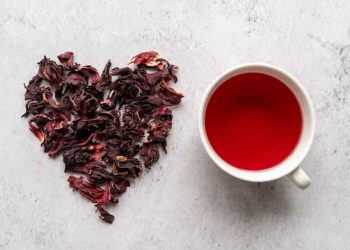
Hibiscus tea is not only vibrant and refreshing but also packed with health benefits. This ruby-red infusion is made from the dried petals of the hibiscus flower and is rich in antioxidants, particularly anthocyanins, which are known to lower blood pressure.
Benefits:
- Blood Pressure Regulation: A study published in the Journal of Nutrition found that consuming hibiscus tea can lead to significant reductions in both systolic and diastolic blood pressure (McKay et al., 2010). If you struggle with hypertension, this tea might be worth a try.
- Cholesterol Management: Some research suggests that hibiscus tea can help lower LDL (bad cholesterol) levels while increasing HDL (good cholesterol).
Caveats:
While hibiscus tea is generally safe, it can interact with certain medications, particularly those for high blood pressure. So, if you’re on medication, it’s a good idea to consult your healthcare provider before diving in.
How to Enjoy:
Brew dried hibiscus petals in boiling water for about 10-15 minutes. Add a splash of honey or a squeeze of lime for extra flavor.
2. Green Tea: The Ancient Elixir
Green tea has gained a reputation as a superfood, and for good reason. Rich in catechins, a type of antioxidant, green tea has been linked to numerous health benefits, including heart health.
Benefits:
- Improved Cholesterol Levels: Research published in the American Journal of Clinical Nutrition indicates that green tea can help lower total cholesterol and triglyceride levels (Huang et al., 2000).
- Enhanced Blood Vessel Function: Some studies suggest that the compounds in green tea can improve endothelial function, which is crucial for maintaining healthy blood vessels.
Caveats:
While green tea is beneficial, it does contain caffeine. If you’re sensitive to caffeine or consume it in large amounts, this could lead to jitteriness or insomnia.
How to Enjoy:
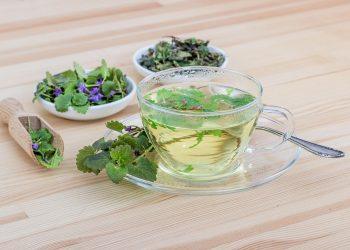
Steep green tea leaves in hot water (not boiling) for 2-3 minutes. You can drink it plain or add a slice of lemon for added zest.
3. Rooibos Tea: The Caffeine-Free Option
If you’re looking for a caffeine-free alternative, rooibos tea might be your best bet. This South African herbal tea is made from the leaves of the Aspalathus linearis plant and is naturally sweet, making it a delightful drink any time of day.
Benefits:
- Antioxidant Properties: Rooibos is rich in antioxidants like aspalathin, which may help reduce oxidative stress and inflammation.
- Heart Health: Some studies suggest that rooibos tea can improve heart health by enhancing blood circulation and reducing blood pressure (Marnewick et al., 2011).
Caveats:
While rooibos is generally safe, it’s always wise to consume it in moderation, as excessive amounts could lead to digestive issues in some individuals.
How to Enjoy:
Brew rooibos tea leaves in boiling water for about 5-7 minutes. It pairs wonderfully with almond milk and a bit of honey.
4. Ginger Tea: The Spicy Heart Helper
Ginger tea is not just a remedy for an upset stomach; it can also be beneficial for your heart. Ginger is known for its anti-inflammatory properties and can be a powerful ally in maintaining cardiovascular health.
Benefits:
- Cholesterol and Blood Pressure: Some studies indicate that ginger can help lower cholesterol levels and improve blood circulation (Liu et al., 2016).
- Anti-Inflammatory Effects: Ginger contains compounds like gingerol that can help reduce inflammation in the body, which is important for heart health.
Caveats:
While ginger is generally safe for most people, it can act as a blood thinner. If you’re on anticoagulant medication, consult your doctor before adding ginger tea to your routine.
How to Enjoy:
Simply steep fresh ginger slices in boiling water for 10 minutes. Add a bit of honey and lemon for a soothing drink.
5. Peppermint Tea: The Refreshing Heart Booster
Peppermint tea may be more commonly known for its digestive benefits, but it also has a few heart-healthy properties worth noting.
Benefits:
- Stress Reduction: Stress can negatively impact heart health, and the menthol in peppermint may help reduce stress and anxiety levels.
- Blood Flow Improvement: Some studies suggest that peppermint can help improve blood circulation, which is beneficial for heart health.
Caveats:
While peppermint tea is generally safe, some individuals may experience heartburn or digestive discomfort, especially if consumed in large amounts.
How to Enjoy:
Brew fresh peppermint leaves in boiling water for about 5-7 minutes. It’s delicious on its own, but you can also add a bit of honey for sweetness.
FAQs
1. Can herbal teas replace my medication for heart health?
While herbal teas can complement a heart-healthy lifestyle, they should not replace prescribed medications. Always consult your healthcare provider for personalized advice.
2. How many cups of herbal tea should I drink daily for heart health?
General recommendations suggest 1-3 cups of herbal tea per day. However, this can vary based on individual tolerance and health conditions.
3. Are there any side effects to drinking herbal teas?
Most herbal teas are safe, but some can interact with medications or cause digestive issues. It’s best to consult with a healthcare provider, especially if you have underlying health conditions.
4. Can I mix different herbal teas?
Absolutely! Mixing herbal teas can create unique flavors and combinations. Just be cautious about the potential interactions of the herbs.
Conclusion
Incorporating herbal teas into your daily routine can be a delightful and effective way to support your heart health. Whether you opt for the tartness of hibiscus, the earthy tones of rooibos, or the zing of ginger, each tea offers unique benefits that can enhance your overall well-being. Plus, the ritual of brewing and sipping tea can be a calming practice in itself, reducing stress and promoting heart health.
A Note of Caution
While the benefits of these herbal teas are promising, remember that research is ongoing, and individual results can vary. Always consult a qualified healthcare provider before making changes to your health routine.
References
-
McKay, D. L., & Miller, A. L. (2010). Hibiscus sabdariffa L. tea lowers blood pressure in prehypertensive and mildly hypertensive subjects. Journal of Nutrition, 140(2), 298-303. https://doi.org/10.3945/jn.109.111370
-
Huang, Y., et al. (2000). Green tea consumption and serum lipid levels: a meta-analysis. American Journal of Clinical Nutrition, 71(6), 1000-1007. https://doi.org/10.1093/ajcn/71.6.1000
-
Marnewick, J. L., et al. (2011). The effect of rooibos tea on blood pressure and lipid levels in hypertensive rats. Journal of Ethnopharmacology, 134(1), 169-175. https://doi.org/10.1016/j.jep.2010.12.021
-
Liu, Y., et al. (2016). The effects of ginger on blood pressure and cholesterol levels: a systematic review. Journal of Cardiovascular Pharmacology and Therapeutics, 21(1), 97-104. https://doi.org/10.1177/1074248415588114
Get Your FREE Natural Health Guide!
Subscribe now and receive our exclusive ebook packed with natural health tips, practical wellness advice, and easy lifestyle changes — delivered straight to your inbox.