Did you know that your gut health can significantly impact your brain function? It’s a fascinating connection that many of us overlook. The gut-brain axis is a complex communication network linking your digestive system and your brain. So, if you’re looking to boost your mental clarity, why not start with what you eat? Let’s dive into five gut-friendly foods that can help sharpen your mind.
Contents
1. Fermented Foods
Why They Matter
Fermented foods are packed with probiotics, the beneficial bacteria that help maintain a balanced gut microbiome. This balance is crucial because a healthy gut can lead to improved mood and cognitive function. Some studies suggest that probiotics can even help reduce anxiety and depression, which can cloud your thinking.
Examples
- Yogurt: Look for varieties labeled “live and active cultures.” Greek yogurt is particularly high in protein.
- Kefir: This fermented milk drink is rich in probiotics and can be added to smoothies or consumed alone.
- Sauerkraut: Fermented cabbage not only adds a tangy crunch to meals but also provides a hefty dose of gut-friendly bacteria.
- Kimchi: A spicy Korean side dish made from fermented vegetables, often cabbage. It’s not just tasty but also packed with nutrients.
Pros and Cons
Pros:
- Boosts gut health.
- Can improve mood and cognitive function.
- Diverse options to include in your diet.
Cons:
- Some people may experience bloating or gas when first adding fermented foods.
- Those with lactose intolerance should choose dairy-free options.
2. Leafy Greens
Why They Matter
Leafy greens are not just low in calories; they’re also high in fiber, which is essential for a healthy gut. Fiber acts as a prebiotic, feeding the good bacteria in your gut. Plus, these greens are loaded with vitamins and antioxidants that support brain health.
Examples
- Spinach: Rich in vitamins A, C, and K, spinach can enhance cognitive function and protect against oxidative stress.
- Kale: Packed with nutrients, kale is a versatile green that can be tossed in salads or blended into smoothies.
- Swiss Chard: This leafy green contains magnesium, which is known to help with mood regulation.
Pros and Cons
Pros:
- High in fiber and nutrients.
- Supports overall health and brain function.
Cons:
- Some people may find leafy greens hard to digest if eaten raw in large quantities.
- Requires preparation, which can be a barrier for some.
3. Berries
Why They Matter
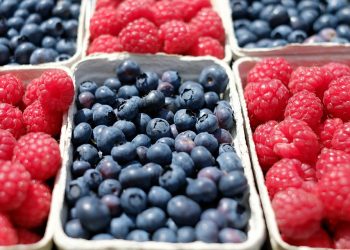
Berries are not only delicious but also incredibly beneficial for your brain. They’re rich in antioxidants, particularly flavonoids, which have been linked to improved memory and cognitive function. Plus, they’re a great source of fiber, which is essential for gut health.
Examples
- Blueberries: Often dubbed a superfood, blueberries have been shown to improve memory and cognitive abilities.
- Strawberries: These are high in vitamin C and antioxidants, making them excellent for brain health.
- Raspberries: Packed with fiber and vitamins, raspberries can enhance gut health while also being a tasty snack.
Pros and Cons
Pros:
- Easy to incorporate into meals or snacks.
- Low in calories and high in nutrients.
Cons:
- Fresh berries can be pricey, especially out of season.
- Some people may be allergic to certain types of berries.
4. Nuts and Seeds
Why They Matter
Nuts and seeds are nutrient-dense foods that provide healthy fats, protein, and fiber. They’re particularly rich in omega-3 fatty acids, which are crucial for brain health. These healthy fats help improve cognitive function and may even protect against age-related decline.
Examples
- Walnuts: High in omega-3s, walnuts are great for brain health and can be added to salads or eaten as a snack.
- Chia Seeds: These tiny seeds are loaded with fiber and omega-3 fatty acids. They can be added to smoothies, yogurt, or oatmeal.
- Flaxseeds: Ground flaxseeds can easily be incorporated into baked goods or smoothies and are another excellent source of omega-3s.
Pros and Cons
Pros:
- Easy to add to various dishes.
- Nutrient-dense and filling.
Cons:
- Nuts and seeds are calorie-dense, so portion control is essential.
- Some may have nut allergies, limiting options.
5. Whole Grains
Why They Matter
Whole grains are essential for a healthy diet, providing fiber that supports gut health and helps maintain stable blood sugar levels. Fluctuating blood sugar can lead to mood swings and decreased mental clarity, so keeping it stable is vital.
Examples
- Oats: A fantastic source of soluble fiber, oats can improve digestion and keep you feeling full longer.
- Quinoa: This pseudo-grain is high in protein and fiber, making it an excellent choice for meals.
- Brown Rice: A whole grain that provides energy and fiber, brown rice is versatile and easy to cook.
Pros and Cons
Pros:
- High in fiber and nutrients.
- Versatile and filling.
Cons:
- Some may find whole grains harder to digest if they’re not used to them.
- Can take longer to cook than refined grains.
FAQs
1. Can I get enough probiotics from food alone?
Yes, many fermented foods are rich in probiotics, but the amount can vary significantly. If you have specific health concerns, consider discussing supplementation with a healthcare provider.
2. How quickly can I expect to see improvements in mental clarity?
It varies from person to person, but many report feeling a difference in mood and clarity within a few weeks of incorporating gut-friendly foods into their diet.
3. Are there any foods I should avoid for better gut health?
Processed foods, high sugar items, and excessive alcohol can negatively affect gut health. It’s best to limit these for optimal mental clarity.
4. How can I incorporate these foods into my daily meals?
Start by adding a serving of fermented food to your breakfast (like yogurt), toss leafy greens into your lunch salad, snack on berries or nuts, and choose whole grains for dinner.
Conclusion
Making dietary changes can feel overwhelming, but focusing on gut-friendly foods is a great place to start. The connection between gut health and mental clarity is increasingly supported by research, and incorporating these five foods into your daily routine can help enhance your overall well-being. It’s not just about what you eat; it’s about how those choices can empower your mind as well.
So, why not give it a shot? Your gut—and your brain—will thank you!
Disclaimer: This article is for educational purposes only and is not a substitute for professional medical advice. Always consult a qualified healthcare provider before making changes to your health routine.
References
- Leclercq, S., et al. (2019). “Gut microbiota and mental health: A review.” Psychological Medicine. https://doi.org/10.1017/S0033291719000564
- Mayo Clinic. (2022). “Probiotics: What they are and how they work.” https://www.mayoclinic.org/healthy-lifestyle/nutrition-and-healthy-eating/in-depth/probiotics/art-20045779
- Harvard Health Publishing. (2021). “The gut-brain connection.” https://www.health.harvard.edu/mind-and-mood/the-gut-brain-connection
Get Your FREE Natural Health Guide!
Subscribe now and receive our exclusive ebook packed with natural health tips, practical wellness advice, and easy lifestyle changes — delivered straight to your inbox.