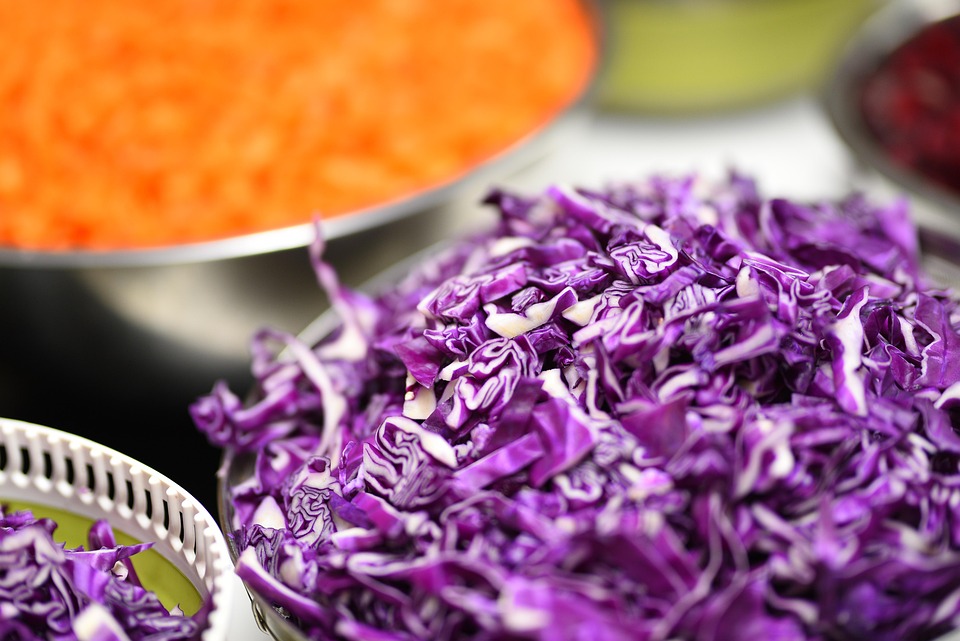
Did you know that cabbage is considered one of the most powerful foods for gut health? If you’re like me and enjoy experimenting in the kitchen, you might be surprised by how versatile this leafy green can be. Cabbage is packed with fiber, vitamins, and probiotics, making it a fantastic choice for anyone looking to boost their gut health or embark on a gut cleanse.
In this article, we’ll dive into five delicious cabbage recipes that not only taste great but also help support your digestive system. Whether you’re a cabbage lover or just curious about incorporating it into your diet, these recipes are easy to make and loaded with nutrients. Let’s get cooking!
Contents
The Gut Health Benefits of Cabbage
Before we jump into the recipes, it’s worth discussing why cabbage is such a gut-friendly food.
-
Fiber-Rich: Cabbage is high in fiber, which is essential for healthy digestion. Fiber adds bulk to your stool, helping to prevent constipation and promote regularity.
-
Rich in Antioxidants: This leafy vegetable contains antioxidants like vitamin C and flavonoids, which help combat inflammation and oxidative stress in the gut.
-
Probiotic Properties: When fermented, cabbage becomes sauerkraut, a source of beneficial probiotics that can enhance gut flora and improve digestion.
-
Low in Calories: Cabbage is low in calories but high in nutrients, making it a great addition to any meal without the guilt.
-
Hydration: Being composed of about 90% water, cabbage helps keep you hydrated, which is crucial for digestive health.
With that foundation laid, let’s explore some delicious recipes that will make your taste buds sing while supporting your gut health.
1. Classic Sauerkraut
Ingredients:
- 1 medium head of green cabbage
- 1 tablespoon of sea salt
- Optional: caraway seeds or juniper berries for flavor
Instructions:
-
Prepare the Cabbage: Remove the outer leaves of the cabbage and set them aside. Cut the cabbage into quarters, remove the core, and slice it thinly.
-
Mix with Salt: In a large bowl, combine the sliced cabbage with sea salt. Massage the salt into the cabbage for about 5-10 minutes until it starts to release its juices.
-
Pack into a Jar: Transfer the cabbage mixture into a clean glass jar, pressing down as you go to eliminate air pockets. Leave about an inch of space at the top.
-
Add Flavor (Optional): If desired, sprinkle in caraway seeds or juniper berries for added flavor.
-
Ferment: Place the reserved outer leaves on top of the packed cabbage to keep it submerged. Seal the jar loosely to allow gases to escape. Let it ferment at room temperature for 1-4 weeks, tasting periodically until it reaches your desired flavor.
Pros and Cons
- Pros: Rich in probiotics, easy to make, and can be stored for months.
- Cons: Requires some patience as it takes a few weeks to ferment.
2. Cabbage and Carrot Slaw
Ingredients:
- 1 small head of green or red cabbage, thinly sliced
- 2 large carrots, grated
- 1/4 cup apple cider vinegar
- 2 tablespoons olive oil
- 1 tablespoon honey or maple syrup
- Salt and pepper to taste
Instructions:
-
Combine Ingredients: In a large bowl, mix the cabbage and grated carrots.
-
Make the Dressing: In a separate bowl, whisk together apple cider vinegar, olive oil, honey or maple syrup, salt, and pepper.
-
Toss and Serve: Pour the dressing over the cabbage and carrots, tossing to combine. Let it sit for at least 30 minutes to allow flavors to meld before serving.
Pros and Cons
- Pros: Quick to prepare, refreshing, and can be served with various meals.
- Cons: Not as probiotic-rich as fermented options.
3. Cabbage Soup
Ingredients:
- 1 small head of cabbage, chopped
- 1 onion, diced
- 2 carrots, diced
- 2 celery stalks, diced
- 4 cloves garlic, minced
- 6 cups vegetable broth
- 1 can diced tomatoes
- Salt and pepper to taste
- Optional: herbs like thyme or bay leaves
Instructions:
-
Sauté Vegetables: In a large pot, heat a little olive oil over medium heat. Add the onion, carrots, and celery, sautéing until soft. Stir in the garlic and cook for another minute.
-
Add Cabbage and Broth: Stir in the chopped cabbage, diced tomatoes, and vegetable broth. Add any herbs you’re using.
-
Simmer: Bring to a boil, then reduce heat and let it simmer for about 30-40 minutes until the cabbage is tender.
-
Season: Taste and add salt and pepper as needed.
Pros and Cons
- Pros: Warm, comforting, and packed with nutrients.
- Cons: Can be bland if not seasoned well.
4. Stuffed Cabbage Rolls
Ingredients:
- 8 large cabbage leaves
- 1 cup cooked rice or quinoa
- 1 pound ground turkey or beef
- 1 onion, finely chopped
- 1 can diced tomatoes
- 1 tablespoon Worcestershire sauce
- Salt and pepper to taste
Instructions:
-
Prepare Cabbage Leaves: Blanch the cabbage leaves in boiling water for 2-3 minutes until pliable. Drain and set aside.
-
Make the Filling: In a large bowl, combine the cooked rice or quinoa, ground meat, onion, Worcestershire sauce, salt, and pepper.
-
Stuff the Leaves: Place a generous spoonful of the filling in the center of each cabbage leaf. Fold in the sides and roll up tightly.
-
Cook: Place the rolls in a baking dish, cover with diced tomatoes, and bake at 350°F (175°C) for about 45 minutes.
Pros and Cons
- Pros: Satisfying and hearty; great for meal prep.
- Cons: More time-consuming than other recipes.
5. Cabbage Stir-Fry
Ingredients:
- 1 small head of cabbage, sliced
- 1 bell pepper, sliced
- 1 onion, sliced
- 2 tablespoons soy sauce or tamari
- 1 tablespoon sesame oil
- Optional: protein like tofu or chicken
Instructions:
-
Heat Oil: In a large skillet or wok, heat sesame oil over medium-high heat.
-
Add Veggies: Stir-fry the onion and bell pepper for 2-3 minutes until softened. Add the sliced cabbage and continue to stir-fry for another 5-7 minutes.
-
Add Sauce: Pour in the soy sauce and toss to coat. If using, add your protein of choice and cook until heated through.
Pros and Cons
- Pros: Quick, customizable, and loaded with veggies.
- Cons: Can lose some nutrients if overcooked.
FAQs
1. How often should I eat cabbage for gut health?
Incorporating cabbage into your diet a few times a week can be beneficial. Whether it’s in salads, soups, or fermented forms like sauerkraut, variety is key.
2. Is cooked cabbage still good for gut health?
Absolutely! While raw cabbage offers more probiotics, cooked cabbage still provides fiber and nutrients beneficial for digestion.
3. Can I use other vegetables in these recipes?
Definitely! Cabbage pairs well with a variety of vegetables. Feel free to experiment with whatever you have on hand.
4. How can I store leftover cabbage dishes?
Store any leftover cabbage dishes in an airtight container in the refrigerator. Most dishes will keep for 3-5 days.
Conclusion
Cabbage is more than just a humble vegetable; it’s a powerhouse for gut health. Whether you’re enjoying a tangy sauerkraut or a comforting cabbage soup, these recipes are not only delicious but also contribute to a healthier digestive system.
So, why not give them a try? Your gut will thank you!
Disclaimer: This article is for educational purposes only and is not a substitute for professional medical advice. Always consult a qualified healthcare provider before making changes to your health routine.
References
- Riedl, J. (2019). Antioxidant properties of cabbage. Journal of Food Science, 84(3), 671-678. https://doi.org/10.1111/1750-3841.14325
- Mayo Clinic. (2021). Probiotics: What they are and how they work. Retrieved from https://www.mayoclinic.org/healthy-lifestyle/nutrition-and-healthy-eating/in-depth/probiotics/art-20045767
- National Institutes of Health. (2020). Fiber and gut health. Retrieved from https://www.ncbi.nlm.nih.gov/pmc/articles/PMC7524930/
Get Your FREE Natural Health Guide!
Subscribe now and receive our exclusive ebook packed with natural health tips, practical wellness advice, and easy lifestyle changes — delivered straight to your inbox.