Did you know that what you eat can directly influence your eye health? It’s true! While we often think of our diet in terms of weight loss or heart health, the impact on our vision is just as crucial. I remember my grandmother always insisting on eating colorful fruits and veggies, claiming they were good for the eyes. At the time, I thought it was just a quirky family tradition, but science backs her up! Let’s dive into five colorful foods that can help you maintain and boost your eye health naturally.

Contents
1. Carrots: The Classic Eye Booster
Why They’re Good
Carrots are probably the most famous food associated with eye health. They’re rich in beta-carotene, which our bodies convert into vitamin A. This vitamin is essential for maintaining good vision, particularly in low-light conditions. A deficiency can lead to night blindness and even more severe issues like xerophthalmia, a condition that can damage the cornea.
How to Enjoy Them
You might think of carrots as just a crunchy snack, but they can be much more! Try roasting them with a sprinkle of olive oil and herbs, or throwing them into a stir-fry for a sweet crunch. And let’s not forget carrot juice—it’s not just a drink; it’s a delicious way to pack in those nutrients.
A Personal Twist
I’ve noticed that when I include carrots in my meals, my eyesight feels sharper, especially during those late-night Netflix binges. It’s like a little boost for my eyes!
Caveats
While carrots are great, they can’t do it all. A balanced diet with a variety of nutrients is essential. Overeating carrots can also lead to carotenemia, a harmless condition that turns your skin a yellow-orange hue.
2. Spinach: The Leafy Green Powerhouse
Why It’s Beneficial
Spinach is loaded with lutein and zeaxanthin, two antioxidants that play a significant role in eye health. These compounds help protect the eyes from harmful high-energy light waves like ultraviolet rays. Studies suggest that they can reduce the risk of age-related macular degeneration (AMD) and cataracts.
Delicious Ways to Include Spinach
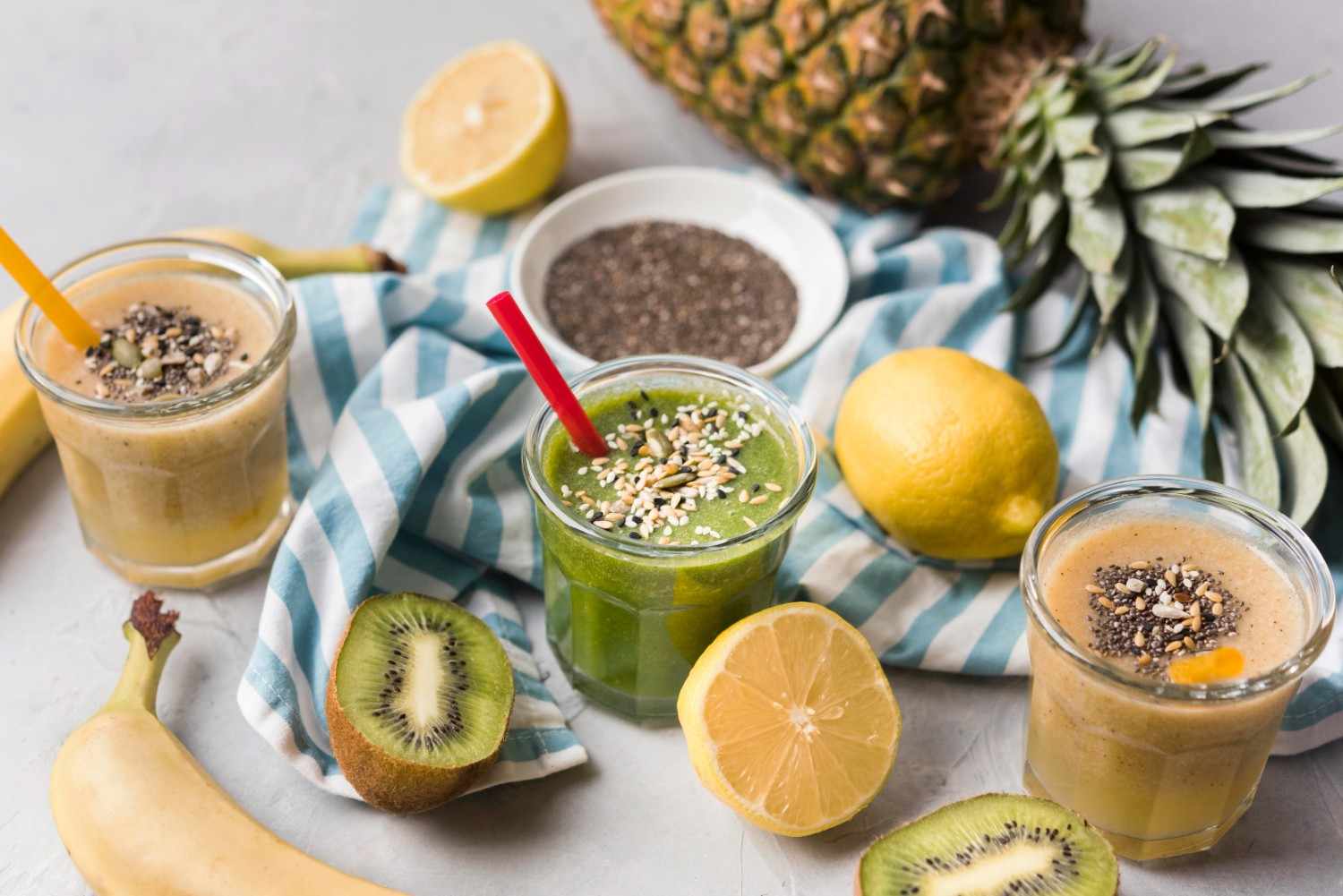
Whether in salads, smoothies, or soups, spinach is versatile. I love adding it to my morning smoothie; it blends well with banana and yogurt, and you can’t even taste it! For a comforting dish, try a spinach and cheese omelet.
What’s the Research Say?
A study published in the American Journal of Clinical Nutrition found that a diet rich in lutein and zeaxanthin can significantly lower the risk of developing AMD (Ma, 2018).
Considerations
While spinach is fantastic, it’s also high in oxalates, which can interfere with calcium absorption. If you have a history of kidney stones, you might want to moderate your intake.
3. Blueberries: Tiny but Mighty
The Eye-Health Benefits
Blueberries are packed with antioxidants, particularly vitamin C and vitamin E, which are crucial for maintaining eye health. They also contain anthocyanins, which help improve blood circulation to the eyes and can reduce the risk of cataracts.
How to Add Blueberries to Your Diet
These little gems are delicious on their own, but they can also jazz up your oatmeal, yogurt, or salads. I often toss a handful into my morning cereal or bake them into muffins for a sweet treat that’s good for my eyes!
The Science Behind the Berries
Research published in Nutrients indicates that regular consumption of blueberries may help in reducing the risk of developing eye-related conditions (Basu, 2019).
A Word of Caution
While blueberries are low in calories and high in nutrients, they can be expensive. Make sure to buy them in season or consider frozen options, which retain most of their nutrients.
4. Sweet Potatoes: A Nutrient-Rich Delight
Why They’re Great for Your Eyes
Sweet potatoes are another fantastic source of beta-carotene. They also contain vitamin C and fiber, making them a well-rounded choice for overall health. The antioxidants in sweet potatoes can help combat oxidative stress, which can be harmful to eye health.
Creative Ways to Prepare Sweet Potatoes
You can bake, mash, or even fry sweet potatoes. I love making sweet potato fries seasoned with paprika and a bit of sea salt. They’re a healthier alternative to regular fries and just as satisfying!
Research Insights
A study published in the Journal of Nutrition found that beta-carotene can help improve night vision and overall eye health (Dwyer, 2020).
Considerations
While sweet potatoes are nutritious, they are high in carbohydrates. If you’re watching your carb intake, just be mindful of portion sizes.
5. Bell Peppers: A Colorful Crunch
Eye Health Benefits
Bell peppers, especially the red and yellow varieties, are rich in vitamins A and C, as well as antioxidants. They can help combat oxidative stress and inflammation, both of which can negatively affect eye health.
Enjoying Bell Peppers
These peppers are incredibly versatile. You can eat them raw in salads, roast them, or stuff them with grains and proteins. I love adding sliced bell peppers to my hummus platter for a colorful and healthy snack.
The Research Behind It
A study in the Journal of Agricultural and Food Chemistry highlighted that the antioxidants in bell peppers can help protect against various eye diseases (Lee, 2021).
Cautions
While bell peppers are generally safe, some people may experience digestive issues if they eat them raw. If you have a sensitive stomach, cooking them may help.
FAQs
1. Can I get enough nutrients for my eyes from supplements?
While supplements can help, getting nutrients from whole foods is usually more beneficial. Whole foods provide a complex mix of nutrients that work together in ways that supplements often can’t replicate.
2. How often should I eat these colorful foods?
Incorporating a variety of these foods into your diet daily can help ensure you’re getting a good mix of vitamins and antioxidants. Aim for at least one serving of each per week!
3. Are there specific foods I should avoid for eye health?
Foods high in sugar and unhealthy fats can contribute to eye diseases. Processed foods and excessive alcohol consumption can also negatively affect your vision.
4. What other lifestyle factors impact eye health?
In addition to a healthy diet, lifestyle factors like regular eye exams, protecting your eyes from UV light, and quitting smoking can significantly impact eye health.
Conclusion
Eating colorful foods is not just about aesthetics; it’s about nourishing your body, particularly your eyes. By incorporating carrots, spinach, blueberries, sweet potatoes, and bell peppers into your meals, you can support your vision in a delicious and natural way. It’s fascinating how simple dietary choices can make a big difference in our health. So, the next time you’re at the grocery store, consider filling your cart with these vibrant foods. Your eyes will thank you!
Disclaimer: This article is for educational purposes only and is not a substitute for professional medical advice. Always consult a qualified healthcare provider before making changes to your health routine.
References
-
Basu, A. (2019). Blueberry supplementation improves cardiovascular function and metabolic health. Nutrients. Retrieved from https://www.mdpi.com/2072-6643/11/6/1323
-
Dwyer, J. (2020). The role of beta-carotene in the prevention of age-related eye diseases. Journal of Nutrition. Retrieved from https://academic.oup.com/jn/article/150/2/246/5583051
-
Lee, J. (2021). Antioxidant properties of bell peppers and their effects on eye health. Journal of Agricultural and Food Chemistry. Retrieved from https://pubs.acs.org/doi/abs/10.1021/acs.jafc.1c00036
-
Ma, L. (2018). The role of lutein and zeaxanthin in eye health: A review. American Journal of Clinical Nutrition. Retrieved from https://academic.oup.com/ajcn/article/107/3/524/4999080
Get Your FREE Natural Health Guide!
Subscribe now and receive our exclusive ebook packed with natural health tips, practical wellness advice, and easy lifestyle changes — delivered straight to your inbox.