Unlocking Natural Vitality: How Chicken for Testosterone Can Support Your Health Goals
Nourishing your body with essential nutrients plays a fundamental role in overall wellness. Many people are increasingly recognizing the connection between dietary choices and various physiological processes.
Among these, exploring how specific foods, such as chicken, can contribute to maintaining robust hormonal balance is gaining traction. It’s about supporting the body’s natural functions through informed nutrition.
This guide delves into how incorporating chicken for testosterone support can be a practical, delicious part of a balanced eating plan, focusing on specific dishes designed to deliver key compounds.
The Nutritional Cornerstones of Testosterone Support
Testosterone, a vital hormone, influences many bodily systems. Its production relies on a complex interplay of various micronutrients and macronutrients. A well rounded diet provides these essential building blocks.
Protein, healthy fats, and specific vitamins and minerals are particularly important. These dietary components act as precursors or cofactors in the intricate biochemical pathways involved in hormone synthesis.
Focusing on nutrient dense foods can help ensure the body receives what it needs. Chicken, in its various cuts, offers a rich array of these beneficial compounds.
- Key Nutrients: Zinc, Vitamin D, Cholesterol, Protein, Magnesium, B Vitamins.
- Dietary Role: Provides building blocks and cofactors for hormonal pathways.
- Holistic Approach: Integrates with broader lifestyle choices for comprehensive wellness.
Foundational Dietary Choices
People often find success when they prioritize whole, unprocessed foods in their daily eating patterns.
Dish 1: Zinc Rich Pan Seared Chicken with Spinach and Mushrooms
This dish leverages ingredients known for their supportive nutrient profiles. Zinc is a mineral widely recognized for its involvement in numerous enzymatic reactions, including those related to hormone production. Its presence in the diet is a common topic of discussion.
Chicken itself provides a good source of zinc, particularly dark meat. Pairing it with spinach and mushrooms amplifies this benefit. Spinach offers magnesium and Vitamin K, while mushrooms contribute additional zinc and B vitamins.
The combination creates a synergistic effect, providing a broad spectrum of micronutrients that collectively support the body’s systems. This makes for a flavorful and nutrient dense meal.
- Active Compound: Zinc, Magnesium, Vitamin K.
- Best Used For: Supporting enzymatic functions and overall mineral balance.
- Mechanism of Action: Provides essential cofactors for metabolic processes.
Preparation Notes
To prepare, season chicken breasts or thighs, pan sear until golden, then sauté spinach and sliced mushrooms with garlic, serving alongside the chicken.
Dish 2: Vitamin D Optimized Grilled Chicken and Egg Yolk Salad
Vitamin D is a fat soluble vitamin crucial for many bodily functions. While sun exposure is a primary source, dietary intake also plays a role. Fatty fish and egg yolks are among the few natural food sources.
Incorporating egg yolks into a chicken dish boosts the overall Vitamin D content. Grilled chicken provides lean protein, which is essential for muscle maintenance and overall satiety. Healthy fats from avocado or a quality olive oil dressing further enhance nutrient absorption.
This salad offers a complete meal, combining protein, healthy fats, and a significant source of Vitamin D. It’s a convenient way to integrate these important components into a regular diet.
- Active Compound: Vitamin D, Choline, Healthy Fats.
- Best Used For: Contributing to overall metabolic regulation and bone health.
- Mechanism of Action: Provides a precursor for various biological signaling pathways.
Assembly Guidelines
Grill chicken, hard boil eggs and slice them, then combine with leafy greens, avocado, and a light vinaigrette for a refreshing meal.
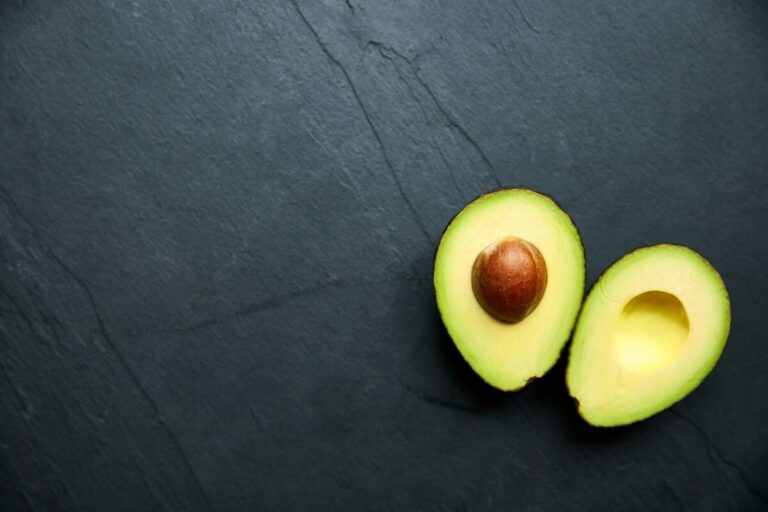
Dish 3: Mediterranean Chicken Skewers with Olives and Avocado
The Mediterranean diet is often praised for its emphasis on healthy fats, lean proteins, and a wide array of vegetables. This dish embodies those principles, focusing on sources of monounsaturated fats and natural cholesterol.
Chicken, especially thighs, provides a good source of dietary cholesterol and protein. Olives and avocado are rich in monounsaturated fatty acids, which are considered beneficial fats. These fats are important for cell membrane integrity and other physiological roles.
Integrating colorful vegetables like bell peppers and cherry tomatoes adds antioxidants and additional vitamins. This combination creates a balanced profile of macro and micronutrients, all contributing to general wellness.
- Active Compound: Monounsaturated Fats, Dietary Cholesterol, Antioxidants.
- Best Used For: Supporting cardiovascular wellness and nutrient absorption.
- Mechanism of Action: Supplies essential fatty acids and cellular building blocks.
Serving Suggestions
Marinate chicken pieces, thread onto skewers with vegetables, grill until cooked through, and serve with a side of olives and sliced avocado.
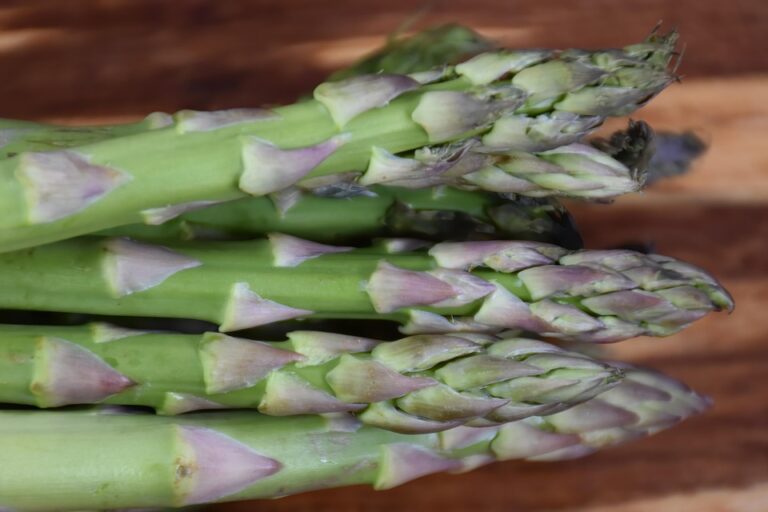
Dish 4: Slow Cooker Chicken Thighs with Quinoa and Asparagus
This dish prioritizes a sustained release of protein and a robust profile of B vitamins. Chicken thighs are an excellent source of protein and contain more iron and B vitamins than leaner cuts. Slow cooking helps tenderize the meat, making it easier to digest.
Quinoa is a complete protein source, meaning it contains all nine essential amino acids. It also offers magnesium, which is involved in over 300 enzymatic reactions in the body. Asparagus adds folate and vitamins A, C, and K.
The sustained nutrient delivery from protein and complex carbohydrates supports energy levels throughout the day. This is a hearty and deeply nourishing meal that simplifies meal preparation.
- Active Compound: Protein, Magnesium, B Vitamins (Niacin, B6).
- Best Used For: Sustained energy and metabolic support.
- Mechanism of Action: Provides amino acids for tissue repair and enzymatic cofactors.
Cooking Method
Combine chicken thighs, broth, and seasonings in a slow cooker. Cook until tender, then serve over prepared quinoa with steamed asparagus.
Dish 5: Spicy Chicken Stir Fry with Bell Peppers and Broccoli
This vibrant stir fry packs an antioxidant punch alongside its protein content. Chicken breast or thigh provides lean protein, a foundation for many body functions. The preparation method also allows for rapid nutrient preservation.
Bell peppers, especially red and yellow varieties, are exceptional sources of Vitamin C, a powerful antioxidant. Broccoli contributes sulforaphane, another compound recognized for its supportive roles in cellular health. These vegetables work together to bolster the body’s protective systems.
The combination of protein, fiber, and diverse micronutrients makes this dish highly effective for general wellness. It’s a quick and versatile option for incorporating a wide array of beneficial plant compounds.
- Active Compound: Vitamin C, Sulforaphane, Zinc, Protein.
- Best Used For: Antioxidant support and overall cellular health.
- Mechanism of Action: Delivers compounds that assist in neutralizing free radicals and supporting detoxification pathways.
Quick Prep Instructions
Sauté diced chicken with sliced bell peppers and broccoli florets in a wok with a light sauce, serving over brown rice.
Understanding Key Nutritional Synergies
The body rarely utilizes single nutrients in isolation. Instead, various vitamins, minerals, and macronutrients work in concert, creating synergistic effects that enhance their individual benefits. Recognizing these relationships can inform more effective dietary strategies.
For example, Vitamin D absorption can be influenced by healthy fats, and zinc’s efficacy is often discussed alongside protein intake. Building meals that thoughtfully combine these elements can optimize their impact on the body.
Below, a summary highlights some of these crucial nutritional pairings and their general roles in supporting physiological balance.
| Nutrient | Primary Source (in Dishes) | Synergistic Partner | General Wellness Role |
|---|---|---|---|
| Zinc | Chicken, Mushrooms, Spinach | Protein, Vitamin A | Enzymatic function, cellular growth |
| Vitamin D | Egg Yolks, Fatty Fish | Healthy Fats (Avocado, Olive Oil) | Bone health, immune modulation |
| Monounsaturated Fats | Avocado, Olives | Fat Soluble Vitamins (A, D, E, K) | Cell integrity, nutrient absorption |
| Magnesium | Spinach, Quinoa | B Vitamins, Calcium | Muscle function, energy production |
| Protein (Amino Acids) | Chicken, Quinoa | B Vitamins, Zinc | Tissue repair, hormone synthesis |
Careful meal planning ensures you’re not just eating for satiety, but also for comprehensive nutritional support. This approach fosters a more resilient and balanced physiological state.
Common Misconceptions About Dietary Support for Hormonal Balance
Navigating information about diet and hormonal health can be challenging due to prevalent myths. One common misunderstanding involves the idea that certain foods act as instant “boosters.” In reality, dietary influence on hormonal balance is gradual and part of a sustained lifestyle.
Another misconception suggests that high protein intake alone is sufficient. While protein is vital, the full spectrum of micronutrients, healthy fats, and adequate calorie intake are equally critical. A balanced approach provides more comprehensive support.
People often overlook the importance of overall dietary patterns over time versus isolated food choices. Consistency in consuming a varied, nutrient rich diet offers more benefits than focusing on single ingredients in sporadic ways. People with underlying conditions often work with a qualified healthcare professional for personalized guidance.
This information is educational and not a substitute for medical advice.
Understanding these points helps set realistic expectations and promotes a more informed approach to wellness through nutrition. The journey toward well being is often a marathon, not a sprint.
Frequently Asked Questions
Here are some common questions regarding dietary choices and general wellness.
Does cooking method impact nutrient content for wellness goals?
Yes, cooking methods can influence nutrient retention. Gentle cooking, like steaming or slow cooking, can help preserve certain heat sensitive vitamins. Grilling and searing are also good for retaining most nutrients, especially minerals and protein, provided the food isn’t overcooked.
Can these chicken dishes replace professional medical advice?
This information offers general nutritional guidance. It is not intended to diagnose, treat, cure, or prevent any disease. People interested in personalized health strategies often discuss their diet with a qualified healthcare professional, particularly if they have specific health concerns.
How often should I consume these types of meals for wellness goals?
Incorporating nutrient rich meals, such as these chicken dishes, into a regular, balanced diet is a good general strategy. Consistency over time is often more impactful than sporadic consumption. Varying your protein and vegetable sources also helps ensure a wider array of nutrients.
Are there specific groups who should be cautious with dietary changes?
Individuals with allergies, dietary restrictions, or underlying health conditions should always consult with a healthcare provider or a registered dietitian before making significant dietary changes. What works for one person may not be suitable for another, emphasizing the importance of personalized care.
The Bottom Line
Embracing a diet rich in whole, nutrient dense foods is a cornerstone of supporting overall physiological balance. The chicken dishes discussed offer delicious, practical ways to integrate key vitamins, minerals, and macronutrients essential for general wellness.
By focusing on ingredients like zinc, Vitamin D, healthy fats, and quality protein, you can thoughtfully build meals that contribute to your body’s natural functions. Remember that consistent, balanced nutrition forms the foundation of long term health.
Embrace Informed Eating
Consider integrating these diverse and nutrient packed chicken dishes into your weekly meal plan for a sustained approach to dietary wellness. Research from the National Institutes of Health supports the importance of micronutrients.
Get Your FREE Natural Health Guide!
Subscribe now and receive our exclusive ebook packed with natural health tips, practical wellness advice, and easy lifestyle changes, delivered straight to your inbox.