Enhancing Your Body’s Natural Defenses: A Guide to Immune System Support
Maintaining robust immune system support is a cornerstone of overall vitality and well being. Our bodies possess an intricate network of cells and processes dedicated to protecting us. Supporting this natural system helps us navigate daily life with greater resilience.
While no single food offers a complete solution, certain superfoods contain compounds that have long been recognized for their potential to complement healthy lifestyle choices. These foods can be wonderful additions to a balanced dietary approach.
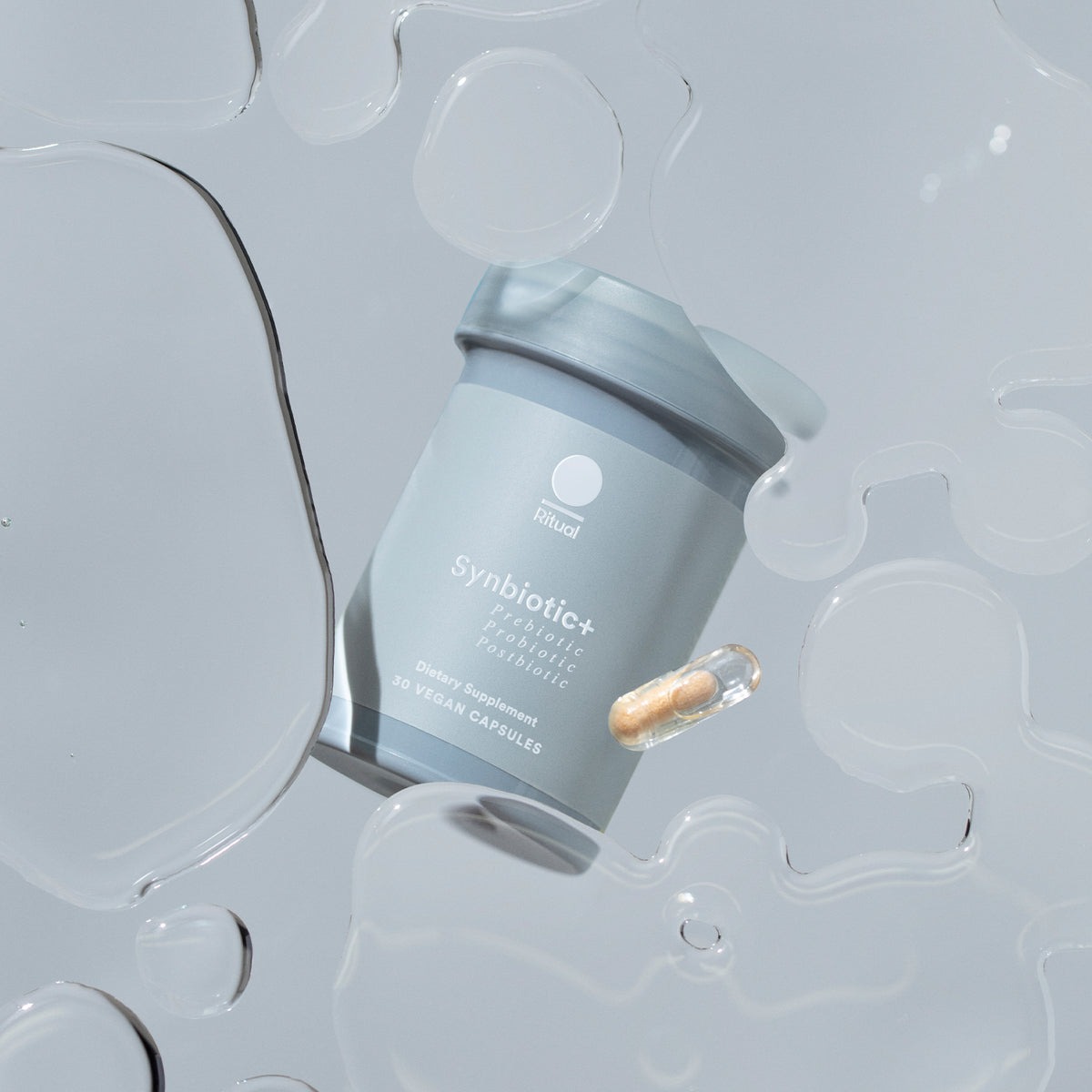
Ritual™ Synbiotic Gut Formulation
- Targeted daily synbiotic designed to support a balanced gut microbiome
- Formulated to assist with continuous digestive maintenance and mitigate occasional discomfort
- Supports effective food processing without relying on harsh cleanses
This guide explores ten such superfoods, detailing their historical context, key components, and how they may contribute to feeling your best. People with underlying conditions often work with a qualified healthcare professional for personalized guidance. This information is educational and not a substitute for medical advice.
Elderberry’s Traditional Wellness Role
Elderberry, derived from the plant species Sambucus nigra, has a rich history spanning centuries across European and Native American cultures. Its dark, jewel toned berries were traditionally used to create tonics and remedies. People often turned to elderberry, particularly during seasonal transitions, to encourage a sense of well being.
The berries are notably abundant in natural compounds like anthocyanins and other flavonoids. These phytonutrients are responsible for the fruit’s deep purple color. They are also often discussed in relation to their ability to support the body’s healthy responses to environmental factors.
Contemporary interest in elderberry centers on how these constituents may assist in maintaining everyday comfort and resilience. Individuals seeking ways to proactively support their vitality frequently explore elderberry. It is considered a gentle and beneficial component of a wellness focused diet.
- Active Compounds: Anthocyanins, Quercetin
- Best Used For: Seasonal wellness, overall comfort
- Wellness Association: Supports healthy immune responses
Incorporation Suggestions
Consider adding elderberry syrup, tea, or a thoughtfully sourced extract to your routine. Always ensure proper preparation, especially if using the raw berries, as they require cooking.
Citrus Fruits: Vitamin C Powerhouses
Citrus fruits, encompassing oranges, lemons, grapefruits, and tangerines, are globally celebrated for their refreshing taste and significant nutritional value. These vibrant fruits have been prized for generations, particularly in regions where they thrive. Their consistent presence in various cuisines speaks to their broad appeal and recognized benefits.
The primary reason for their immune supporting reputation lies in their generous supply of Vitamin C, also known as ascorbic acid. This essential vitamin is a well known nutrient that helps many bodily functions. It helps in the upkeep of tissues and processes throughout the body.
Beyond Vitamin C, citrus fruits also provide a variety of other beneficial plant compounds. These include flavonoids and carotenoids, which collectively contribute to the fruit’s overall healthful profile. Consuming these fruits regularly can be a delicious way to enrich your diet with diverse micronutrients.
- Active Compounds: Vitamin C, Bioflavonoids
- Best Used For: Daily nutritional support, antioxidant intake
- Wellness Association: Essential for many physiological processes
Consumption Strategies
Enjoy citrus fruits whole, as fresh juice, or as zest in your culinary creations. Aim for a variety to benefit from their diverse nutrient profiles.
Ginger Root: A Warming Ally
Ginger, derived from the root of the Zingiber officinale plant, holds a revered place in both traditional medicine systems and modern kitchens. Originating from Southeast Asia, its warming, pungent qualities have made it a staple in Ayurvedic and Chinese wellness practices for thousands of years. It’s often employed to soothe and comfort.
The root’s distinct flavor and many benefits come from its active compounds, primarily gingerols and shogaols. These compounds are responsible for much of what ginger is known for. They are studied for how they may influence various bodily systems.
Many people turn to ginger to support a sense of internal balance and warmth. It is frequently incorporated into diets to help maintain comfort, especially during cooler months or when seeking to invigorate the digestive system. Its versatility makes it an easy addition to many meals.
- Active Compounds: Gingerols, Shogaols
- Best Used For: Digestive comfort, warming effects
- Wellness Association: Supports a feeling of internal balance
Usage Recommendations
Fresh ginger can be grated into teas, stir fries, or smoothies. Dried ginger powder is also a convenient option for baking and seasoning.
Turmeric’s Golden Contributions
Turmeric, a vibrant golden spice from the ginger family, has been central to South Asian cuisine and Ayurvedic traditions for millennia. Beyond its use as a culinary ingredient and dye, turmeric has a long standing reputation for its wellness supporting properties. It is a symbol of health in many cultures.
The powerful effects of turmeric are primarily attributed to a group of compounds called curcuminoids, with curcumin being the most well known. These compounds give turmeric its characteristic bright color. They are also the focus of extensive research regarding their general biological properties.
People often incorporate turmeric into their diets to encourage healthy inflammatory responses and support overall cellular health. Its broad range of wellness associations makes it a popular choice for those interested in foundational health. It’s a spice with deep historical roots in promoting vitality.
- Active Compounds: Curcuminoids (e.g., Curcumin)
- Best Used For: Supporting healthy inflammation, cellular balance
- Wellness Association: Contributes to general physiological harmony
Preparation Insights
Combine turmeric with black pepper to enhance the body’s potential utilization of curcumin. Incorporate it into curries, golden milk, or soups for flavorful wellness benefits.
Garlic: Nature’s Potent Bulb
Garlic, a member of the onion family, boasts a history of human cultivation and use that spans over 7,000 years. Revered by ancient Egyptians, Greeks, and Romans, it was valued for both its culinary flavor and its perceived health benefits. It is a fundamental ingredient in countless dishes worldwide.
Its distinctive pungent aroma and many qualities are largely due to sulfur containing compounds. Among these, allicin is particularly notable. Allicin forms when garlic is crushed or chopped. It is a fleeting compound that quickly transforms into other beneficial substances.
Many individuals include garlic in their diet to support overall wellness and particularly cardiovascular health. It is often discussed in the context of maintaining healthy circulation and general vitality. Integrating garlic regularly can be a flavorful step towards comprehensive health support.
- Active Compounds: Allicin (when crushed), Sulfur compounds
- Best Used For: Cardiovascular support, general wellness
- Wellness Association: Promotes circulatory health and vitality
Dietary Integration
Add fresh, crushed garlic to dressings, sautés, or roasted vegetables. Cooking methods can alter its compounds, so consider using it both raw and cooked.
Spinach: The Nutrient Dense Green
Spinach, a leafy green vegetable, has been cultivated for centuries and is celebrated for its dense nutritional profile. Originating from Persia, it spread across the globe. It became a beloved ingredient in various cuisines due to its versatility and healthful attributes. It’s often considered a cornerstone of healthy eating.
This vibrant green is packed with an impressive array of vitamins, minerals, and antioxidants. It provides significant amounts of Vitamin K, Vitamin A, Vitamin C, and folate. These nutrients are all vital for supporting numerous bodily functions and maintaining optimal health.
Regular consumption of spinach is often associated with supporting cellular health and vision. Its comprehensive nutrient makeup makes it an excellent choice for contributing to overall bodily resilience. Including spinach in meals is a simple way to boost nutrient intake and support foundational wellness.
- Active Compounds: Vitamins K, A, C, Folate, Lutein
- Best Used For: General nutrition, cellular health, vision support
- Wellness Association: Supports comprehensive bodily functions
Preparation Methods
Enjoy spinach raw in salads, lightly steamed, or sautéed. It shrinks considerably when cooked, allowing for greater nutrient intake in a smaller volume.
Bell Peppers: Colorful Nutrient Boosters
Bell peppers, available in a rainbow of colors like red, yellow, orange, and green, are versatile and nutritious additions to any diet. Despite their common classification as vegetables, they are botanically fruits. They originate from Central and South America. They have become a global culinary staple, prized for their sweet crunch and vibrant hues.
These colorful peppers are an outstanding source of Vitamin C, often surpassing citrus fruits in content depending on the color and ripeness. Red and yellow varieties typically contain higher levels. This vitamin is well known for its role in supporting many processes in the body.
Beyond Vitamin C, bell peppers also provide a wealth of other antioxidants, including carotenoids like beta carotene and capsanthin. These compounds contribute to the peppers’ bright colors. They also offer broad support for cellular health and general well being. Including them diversifies your antioxidant intake.
- Active Compounds: Vitamin C, Carotenoids
- Best Used For: Antioxidant support, daily vitamin intake
- Wellness Association: Contributes to cellular protection
Serving Suggestions
Incorporate bell peppers raw into salads or as crunchy snack sticks. They are also delicious roasted, grilled, or sautéed in various dishes.
Almonds: A Heart Healthy Choice
Almonds, the edible seeds of the almond tree, have been cultivated since ancient times, tracing their origins back to the Middle East. They are celebrated worldwide as a nutritious and versatile snack. They feature prominently in many culinary traditions, from sweet desserts to savory dishes.
These crunchy nuts are particularly rich in Vitamin E, a fat soluble antioxidant. Vitamin E is known for its role in protecting cells from oxidative stress. It is a vital nutrient for maintaining cellular integrity and overall health. Almonds provide a convenient way to increase intake of this important vitamin.
Almonds also offer a good source of healthy fats, fiber, and protein. These components contribute to feelings of satiety and help support digestive health. Their comprehensive nutritional profile makes them a beneficial addition for those seeking balanced energy and cellular maintenance.
- Active Compounds: Vitamin E, Healthy Fats
- Best Used For: Antioxidant protection, heart health support, satiety
- Wellness Association: Supports cellular integrity and circulatory function
Snacking and Culinary Uses
Enjoy raw or roasted almonds as a snack, or add them to oatmeal, yogurt, or salads. Almond butter is also a popular spread. Be mindful of portion sizes due to their caloric density.
Medicinal Mushrooms: Beta Glucan Rich Fungi
Certain species of mushrooms, often referred to as medicinal mushrooms, have been revered for centuries in Eastern wellness traditions. Varieties such as Reishi, Shiitake, and Maitake have a long history of use in supporting human vitality. They are often cultivated for their unique biological properties.
A key component in these mushrooms is a group of complex carbohydrates known as beta glucans. These natural polysaccharides are found in the cell walls of fungi. They are often discussed for their potential roles in interacting with various systems within the body.
Many people incorporate medicinal mushrooms into their wellness routines to support overall resilience and healthy bodily functions. They are considered adaptable natural allies. People exploring comprehensive health strategies often consider these unique fungi for their foundational support.
- Active Compounds: Beta Glucans, Polysaccharides
- Best Used For: General resilience, foundational wellness support
- Wellness Association: Supports broad physiological functions
Consumption Approaches
Medicinal mushrooms can be enjoyed cooked in meals or consumed as carefully prepared teas or extracts. Ensure proper identification and preparation if foraging.
Fermented Foods: Supporting Gut Harmony
Fermented foods, such as kefir, sauerkraut, kimchi, and kombucha, have been staples in human diets across diverse cultures for thousands of years. The process of fermentation not only preserves food but also introduces beneficial microorganisms. This ancient practice is fundamental to the flavors and health benefits of these foods.
These foods are rich in probiotic bacteria, which are live microorganisms that, when consumed in adequate amounts, may contribute to a balanced gut environment. A healthy and diverse gut flora is often associated with comprehensive bodily wellness. It supports various aspects of comfort and vitality.
People consuming fermented foods often report a sense of digestive harmony and overall well being. The interaction between these beneficial microbes and the body is a significant area of discussion in wellness circles. Regular inclusion of fermented foods can be a delightful way to foster gut health.
- Active Compounds: Probiotic Bacteria, Postbiotics
- Best Used For: Digestive balance, gut flora support
- Wellness Association: Promotes overall gut and digestive harmony
Dietary Integration
Begin by introducing small amounts of fermented foods into your diet and gradually increase. Options like plain kefir, raw sauerkraut, or unsweetened kombucha are excellent starting points.
Comparative Overview of Immune Supporting Superfoods
Understanding the distinct contributions of various superfoods can help you make informed dietary choices. Each offers a unique profile of active compounds that collectively contribute to overall wellness. This table provides a quick glance at some of the key features discussed.
| Superfood | Key Active Compounds | Primary Wellness Association | Historical Use Context |
|---|---|---|---|
| Elderberry | Anthocyanins, Flavonoids | Supports healthy immune responses | Seasonal wellness, traditional tonics |
| Citrus Fruits | Vitamin C, Bioflavonoids | Essential for many physiological processes | Daily nutritional intake, tissue upkeep |
| Turmeric | Curcuminoids | Contributes to general physiological harmony | Ayurvedic practices, cellular balance |
| Garlic | Allicin (when crushed) | Promotes circulatory health and vitality | Ancient wellness, culinary staple |
| Medicinal Mushrooms | Beta Glucans | Supports broad physiological functions | Eastern wellness traditions, resilience |
Common Misconceptions About Immune Support
Navigating the world of wellness often involves sifting through abundant information. Several common misconceptions about immune system support can sometimes lead to less effective strategies. Understanding these can help you focus on more grounded approaches.
One prevalent idea is that a single “magic pill” or isolated supplement can completely protect you from seasonal challenges. While specific nutrients play vital roles, true immune resilience comes from a consistent, comprehensive approach. This includes a balanced diet, adequate rest, and stress management, not just one ingredient.
Another common misbelief suggests that more is always better when it comes to vitamins or herbs. Excessive intake of certain compounds can sometimes have unintended effects. The body functions optimally with a balanced intake of nutrients, rather than overwhelming doses of just one. Always consider moderation.
It’s also a misconception that immune support is only necessary when you feel unwell. Proactive, daily lifestyle choices contribute to long term resilience. These foundational habits are far more impactful than reactive measures taken only during periods of discomfort. Consistent care is key.
Integrating Superfoods into Your Lifestyle
The true benefit of superfoods emerges from their consistent incorporation into a balanced and diverse diet. It isn’t about consuming large quantities of one item. Rather, it focuses on enjoying a variety of nutrient rich foods regularly. This approach fosters broad nutritional support.
Consider adding a colorful array of these foods throughout your week. For instance, start your day with citrus in a smoothie, enjoy spinach in your lunch salad, and add garlic and turmeric to your dinner. Small, consistent changes often yield the most sustainable results. The USDA offers many resources for dietary planning.
Beyond diet, remember that lifestyle factors play a significant role in overall wellness. Adequate sleep, regular physical activity, and effective stress management are equally important. These elements work synergistically with your dietary choices to support comprehensive health and vitality.
People with underlying conditions often work with a qualified healthcare professional for personalized guidance. This information is educational and not a substitute for medical advice.
Frequently Asked Questions
Can specific superfoods prevent common seasonal discomforts?
No single food can guarantee the prevention of common seasonal discomforts. However, incorporating a variety of nutrient rich superfoods can contribute to overall wellness. This helps the body feel its best during challenging times.
How quickly can superfoods impact immune system support?
The effects of dietary changes on immune system support are generally cumulative and gradual. Consistent consumption over time, as part of a balanced diet, contributes to long term wellness. Acute, immediate impacts are not typically expected from individual superfoods.
Are supplements of these superfoods always better than whole foods?
Whole foods offer a complex matrix of nutrients, fiber, and other compounds that work synergistically. While supplements can provide targeted support, prioritizing whole food sources is generally recommended for comprehensive nutritional benefits. Discuss supplement choices with a trusted professional.
Do cooking methods affect the beneficial compounds in these superfoods?
Yes, cooking methods can influence the stability and bioavailability of various compounds in superfoods. For example, some vitamins are heat sensitive, while other compounds, like allicin in garlic, are activated by crushing. A mix of raw and cooked preparation methods can help maximize nutrient intake.
The Bottom Line
Supporting your body’s natural defenses is an ongoing process rooted in balanced nutrition and healthy lifestyle choices. The superfoods discussed here offer a rich array of beneficial compounds. They can be wonderful additions to a diet focused on overall wellness and resilience.
Embrace a diverse intake of these nutrient rich foods as part of your daily routine to foster comprehensive vitality. Consider discussing your specific dietary needs and wellness goals with a qualified healthcare professional to ensure the best approach for you.
Get Your FREE Natural Health Guide!
Subscribe now and receive our exclusive ebook packed with natural health tips, practical wellness advice, and easy lifestyle changes, delivered straight to your inbox.