


Embracing Clean Living: Foundational Swaps for a Healthier Routine
Adopting a clean living philosophy involves making conscious choices about the products you use and the environment you cultivate. It isn’t about rigid perfection; rather, it prioritizes reducing exposure to substances that don’t support well-being.
This approach often centers on selecting more natural, less processed, and intentionally sourced alternatives across various aspects of daily life. The goal remains to enhance overall vitality through informed, practical adjustments.
Implementing these foundational clean living swaps can create noticeable improvements in personal health and home environments over time. People often find these changes contribute to a greater sense of calm and clarity.
Swap 1: Processed Foods for Whole, Nutrient-Dense Options
The modern food landscape features an abundance of ultra-processed items, often characterized by high sugar, unhealthy fats, and artificial ingredients. These products undergo extensive manufacturing steps, which often strip them of their inherent nutritional value.
Whole foods, conversely, retain their natural composition. They provide a rich array of vitamins, minerals, fiber, and phytonutrients crucial for fundamental bodily processes. Prioritizing these foods establishes a strong nutritional foundation.
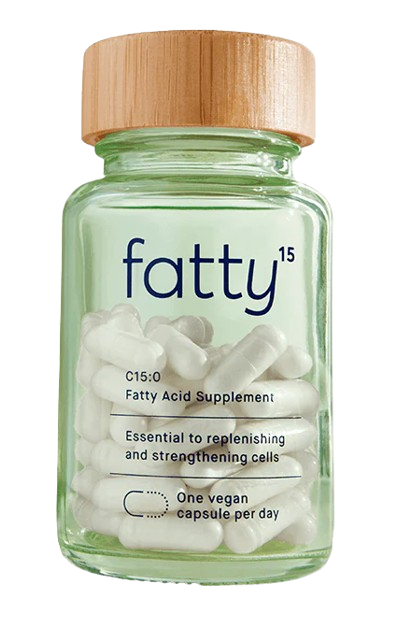
fatty15™ C15:0 Essential Fatty Acid
- Science-backed, pure C15:0 supplement designed to provide foundational support for cellular health
- Promotes balanced metabolism, steady daily energy, and healthy aging from the inside out
- Vegan-friendly, pure, and manufactured in a cGMP-compliant facility
Making this switch can help foster stable energy levels throughout the day. It supports the body’s natural ability to maintain balance and function optimally, contributing to overall comfort and well-being.
- Core Principle: Prioritize single-ingredient foods.
- Nutritional Impact: Increased intake of fiber, vitamins, and beneficial antioxidants.
- Common Pitfall: Over-reliance on packaged “health” foods that still contain additives.
Strategic Integration
Focus on incorporating a diverse range of fruits, vegetables, lean proteins, and whole grains into every meal. Aim for color variety to ensure a broad spectrum of nutrients.
Swap 2: Upgrade Tap Water to Filtered Water
Tap water, while generally safe, can contain various contaminants depending on its source and treatment processes. These may include chlorine, heavy metals, pesticides, and pharmaceutical residues. Many people choose to filter their water.
Filtration systems work to remove these substances, providing water that tastes cleaner and is often preferred for drinking and cooking. The type of filter chosen dictates the range of impurities it can address.
Investing in a quality water filter reflects a proactive step toward minimizing exposure to these ambient environmental agents. It’s a simple change that can have a considerable impact on daily intake.
- Key Contaminants: Chlorine, chloramines, lead, volatile organic compounds (VOCs).
- Filtration Mechanism: Activated carbon adsorption, reverse osmosis, mechanical filtration.
- Consideration: Different filters target different contaminants.
Choosing a Filtration System
Evaluate your local water report to identify specific concerns and select a filter designed to address those particular impurities. Research from the Environmental Protection Agency provides valuable insights into drinking water standards.
Comparing Water Filtration Methods
Understanding the different types of water filtration helps in making an informed choice for your home. Each method offers distinct advantages and addresses specific contaminants.
Some filters are highly effective at removing a broad spectrum of pollutants, while others are more specialized. Consider factors like cost, maintenance, and the level of purification desired.
The right system depends on individual preferences and the specific quality of the water supply. Many people find a multi-stage approach effective.
| Filtration Type | Primary Mechanism | Commonly Removes | Key Benefit |
|---|---|---|---|
| Activated Carbon | Adsorption | Chlorine, VOCs, odors, bad tastes | Cost-effective, improves taste |
| Reverse Osmosis | Membrane separation | Heavy metals, fluoride, salts, bacteria | Comprehensive purification |
| Ceramic Filters | Physical barrier | Bacteria, cysts, sediment | Durable, good for microbial threats |
| UV Sterilization | Ultraviolet light | Viruses, bacteria, protozoa | Chemical-free disinfection |
Swap 3: Replace Synthetic Fragrances with Essential Oils or Fragrance-Free Products
Many conventional products contain synthetic fragrances formulated from a blend of chemicals, often proprietary and undisclosed. These compounds can become airborne and accumulate in indoor environments.
Essential oils, derived from plants, offer natural aromatic alternatives without the same chemical complexity. They provide a distinct scent profile reflective of their botanical origin.
Opting for fragrance-free or naturally scented products can help reduce unnecessary exposure to a range of potential airborne irritants. It’s a choice many people make to support a calmer indoor atmosphere.
- Primary Concern: Undisclosed chemical compounds in synthetic scents.
- Alternative Focus: Pure essential oils or products explicitly labeled “fragrance-free.”
- Application Note: Always dilute essential oils appropriately and test for sensitivity.
Scent Preference Adjustment
Gradually transition to naturally scented items, allowing your senses to adjust to more subtle and authentic aromas. Diffuse pure essential oils in your living spaces for a pleasant, natural ambiance.
Swap 4: Shift from Conventional Cleaning Products to Natural Alternatives
Commercial cleaning products frequently contain harsh chemicals, including ammonia, phthalates, and strong surfactants. These ingredients can produce volatile organic compounds (VOCs) that become airborne when used.
Natural cleaning alternatives often utilize simple, effective ingredients like vinegar, baking soda, lemon juice, and castile soap. These traditional components offer powerful cleaning properties without the same chemical footprint.
Making this swap helps to reduce the presence of strong chemical odors and residues in your home. It creates a cleaner environment that supports a general sense of well-being for everyone present.
- Target Area: Surfaces, air quality, residues.
- Active Component: Acetic acid (vinegar), sodium bicarbonate (baking soda), citric acid (lemon).
- Method Tip: Combine ingredients to create multi-purpose cleaners.
Everyday Cleaning Protocol
Use a diluted vinegar solution for streak-free windows, baking soda paste for scrubbing sinks, and castile soap for general surface cleaning. These combinations are effective and simple to use.
Swap 5: Choose Non-Toxic Cookware over Coated Pans
Many conventional non-stick pans utilize coatings that, when overheated or scratched, can release chemical compounds into the environment. Concerns regarding these compounds have led to a desire for alternative materials.
Non-toxic cookware options include cast iron, stainless steel, glass, and ceramic. These materials offer durable, inert cooking surfaces that do not shed chemical layers during use.
Switching to these materials eliminates the potential for unwanted chemical exposure during meal preparation. It provides peace of mind, knowing your food is cooked in stable and robust vessels.
- Material Choice: Cast iron, stainless steel, ceramic, glass.
- Benefit: Stable cooking surface, no chemical leaching.
- Care Point: Follow manufacturer guidelines for cleaning and seasoning.
Cookware Maintenance Guidelines
Season cast iron regularly, use appropriate utensils to prevent scratching, and clean all cookware promptly to extend its lifespan and maintain its non-toxic properties.
Swap 6: Swap Conventional Personal Care for Ingredient-Transparent Options
Many personal care products, from lotions to shampoos, contain a complex mix of synthetic ingredients including parabens, sulfates, and phthalates. The skin, a large organ, can absorb these compounds.
Ingredient-transparent products prioritize simpler formulations with recognizable components. They often highlight plant-derived extracts and minerals, avoiding a long list of synthetic additives.
Selecting these products aligns with a desire to minimize daily exposure to complex chemical mixtures. It supports the skin’s natural barrier function and helps maintain its comfortable state.
- Product Category: Skincare, haircare, cosmetics.
- Ingredient Focus: Parabens, sulfates, phthalates are often absent.
- General Impact: Supports overall skin comfort and well-being.
Product Selection Strategy
Read ingredient labels carefully, prioritizing products with fewer, more natural ingredients. Seek certifications that denote adherence to specific clean ingredient standards.
Swap 7: Optimize Indoor Air Quality with Plants and Ventilation
Indoor air can accumulate pollutants from various sources, including building materials, furniture, cleaning products, and personal care items. These can lead to the buildup of volatile organic compounds (VOCs) and particulate matter.
Houseplants can contribute to a more pleasant indoor environment by interacting with the ambient air. Good ventilation practices, like opening windows regularly, exchange stale indoor air with fresh outdoor air.
These practices help reduce the concentration of airborne substances within your living spaces. They promote a fresher, more comfortable indoor atmosphere that supports daily comfort.
- Air Quality Factor: VOCs, particulate matter, humidity.
- Botanical Support: Certain houseplants may interact with air components.
- Ventilation Strategy: Regular air exchange through windows and exhaust fans.
Routine Air Renewal
Open windows for 10-15 minutes daily, even in cooler weather, to facilitate air circulation. Incorporate air-purifying plants such as snake plants or peace lilies into your home decor for added support.
Swap 8: Reconsider Fast Fashion for Sustainable, Natural Fibers
Fast fashion relies on rapid production cycles and inexpensive synthetic materials, such as polyester and nylon. These fabrics are derived from petroleum and can shed microplastics during washing.
Sustainable fashion emphasizes durable clothing made from natural fibers like organic cotton, linen, hemp, and wool. These materials are biodegradable and generally involve less chemical processing.
Choosing natural fibers helps reduce the environmental impact associated with textile production and disposal. It also contributes to less synthetic material coming into contact with your skin.
- Fiber Type: Organic cotton, linen, hemp, wool.
- Characteristic: Breathable, biodegradable, often durable.
- Environmental Note: Reduced microplastic shedding, lower chemical footprint.
Wardrobe Curation
Invest in high-quality, natural fiber garments that last longer and support ethical production practices. Prioritize versatility and timeless styles to reduce the need for frequent purchases.
Swap 9: Integrate Mindful Movement into Daily Life Instead of Sedentary Habits
Prolonged periods of sitting can lead to a sense of stiffness and diminished energy. Modern lifestyles often necessitate extended periods of stillness, but small movements can make a difference.
Mindful movement involves consciously incorporating physical activity throughout the day, even in short bursts. This could include stretching, walking, or gentle exercises that promote a sense of vitality.
Embracing more movement supports a sense of mobility and helps people feel more comfortable moving through their daily tasks. It can complement an active lifestyle and contribute to overall well-being.
- Movement Principle: Regular, gentle activity.
- General Benefit: Supports a feeling of ease and energy.
- Integration Idea: Stand and stretch every hour, take short walks, use stairs.
Daily Movement Practice
Set reminders to stand up and walk around your office or home for a few minutes every hour. Incorporate simple stretches before and after periods of extended sitting to promote flexibility.
Swap 10: Transform Your Sleep Environment from Cluttered to Restorative
A cluttered, overstimulated sleep environment can disrupt the body’s natural sleep cycles. Exposure to blue light from screens, inconsistent temperatures, and noise can all interfere with rest.
Creating a restorative sleep space involves minimizing light and noise, maintaining a cool temperature, and decluttering the area. It focuses on signals that encourage the body to wind down.
Optimizing your bedroom for sleep supports the natural processes involved in achieving restful slumber. People often find that small adjustments can lead to a greater sense of rejuvenation each morning.
- Key Element: Darkness, quiet, cool temperature.
- Impact: Supports the body’s natural sleep rhythms.
- Optimization Tip: Remove electronics, use blackout curtains, establish a consistent bedtime routine.
Evening Wind-Down Routine
Dim lights an hour before bed, avoid screens, and engage in calming activities like reading or gentle stretching. Ensure your bedroom is cool and dark to create an optimal environment for rest.
Frequently Asked Questions
What does “clean living” truly mean?
Clean living refers to a lifestyle choice focused on minimizing exposure to potentially harmful chemicals and toxins in daily life. It often involves selecting natural, unprocessed, and sustainably sourced products for food, personal care, and home maintenance. People with underlying conditions often work with a qualified healthcare professional for personalized guidance.
Are natural alternatives always as effective as conventional products?
Many natural alternatives are highly effective for their intended purposes, especially in cleaning and personal care. Their efficacy often comes from understanding traditional methods and the properties of natural ingredients. Some specific applications might require careful consideration to match conventional product performance.
How quickly can someone expect to feel changes after making these swaps?
The experience varies for each individual. Some people report feeling a difference in energy or overall comfort relatively quickly, particularly with dietary changes or improved air quality. Other changes, like reducing chemical exposure, contribute to long-term well-being and might show more subtle, gradual benefits. This information is educational and not a substitute for medical advice.
Is it expensive to adopt a clean living lifestyle?
Initial investments in items like water filters or non-toxic cookware can exist. However, many clean living swaps, such as making your own cleaning products or focusing on whole foods, can be cost-effective in the long run. Prioritizing purchases and making gradual changes can help manage costs.
The Bottom Line
The journey toward clean living is an ongoing process of informed choices, not a destination of absolute perfection. Each swap represents a deliberate step toward creating an environment that supports your inherent vitality and well-being. These changes are about fostering a lifestyle that feels more aligned with natural principles and personal comfort.
Embrace Gradual Transformation
Start with one or two swaps that feel most manageable and significant to you, then build from there as you gain confidence and observe positive shifts.
Get Your FREE Natural Health Guide!
Subscribe now and receive our exclusive ebook packed with natural health tips, practical wellness advice, and easy lifestyle changes, delivered straight to your inbox.





