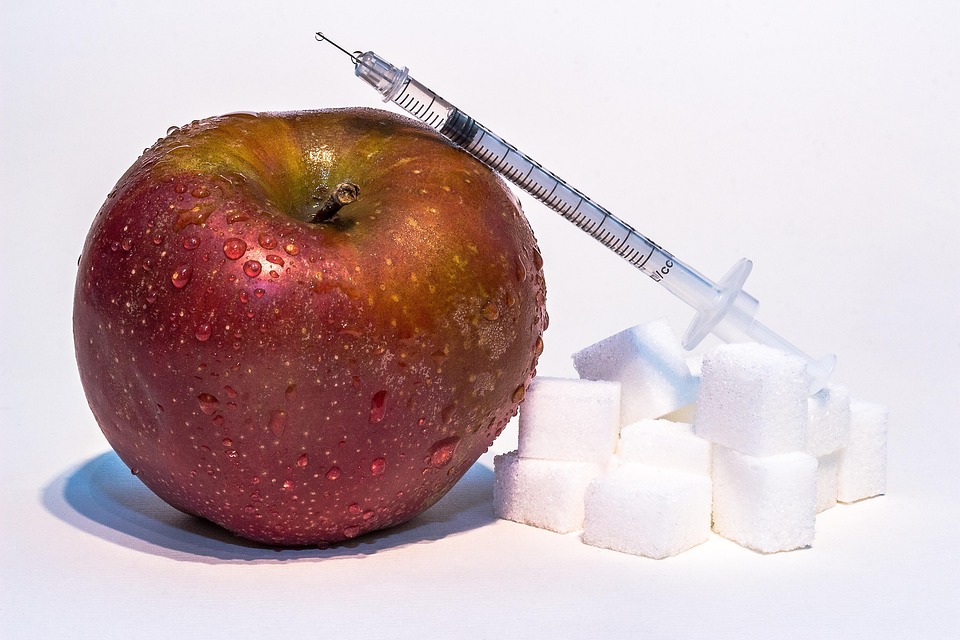

Crafting Your Insulin Resistance Diet Plan with Purpose
Understanding how certain foods influence your body’s systems is a fundamental step toward improved well-being. An insulin resistance diet plan isn’t about rigid restrictions; it’s about making informed choices that support balanced blood glucose levels and metabolic harmony. It focuses on the quality of carbohydrates, the abundance of fiber, the role of healthy fats, and adequate protein intake.
This dietary approach can profoundly influence how your body uses the fuel you provide. It shifts the emphasis from refined, quickly absorbed sugars to nutrient-dense foods that release energy more steadily. Making these adjustments can contribute to a more stable internal environment.
Prioritizing whole foods forms the cornerstone of this strategy. By building your plate with ingredients closer to their natural state, you gain a broader spectrum of essential vitamins, minerals, and phytonutrients. These components work synergistically to support various physiological functions.
The Foundational Principles of an Insulin-Supportive Diet
Effective dietary management for insulin resistance centers on several core tenets. These principles guide food selection and meal composition, fostering an environment where cells can respond more effectively to insulin. It’s about empowering your body through intelligent nutrition.
The goal isn’t to eliminate entire food groups but to rebalance their proportions and types. You want to favor foods that elicit a gradual rise in blood glucose, avoiding sharp spikes that demand an excessive insulin response. This consistent approach helps maintain metabolic equilibrium.
Consider your plate a canvas for nutritional balance. Each meal presents an opportunity to integrate fiber, lean protein, and healthy fats, alongside controlled portions of complex carbohydrates. This combination helps slow digestion and absorption, promoting sustained energy and satiety.
- Macronutrient Balance: Prioritize protein and healthy fats to slow carbohydrate absorption.
- Fiber Richness: Integrate diverse sources of soluble and insoluble fiber.
- Glycemic Load Awareness: Choose carbohydrates that have a minimal immediate impact on blood glucose.
- Whole Food Focus: Emphasize unprocessed fruits, vegetables, lean proteins, and whole grains.
Building Balanced Plates
Designing meals that align with these principles involves a deliberate choice of ingredients. Think about how components interact within your digestive system. Foods that offer complexity, like whole grains or legumes, require more processing, thus releasing their sugars more slowly.
For instance, pairing a carbohydrate source with protein or fat helps to temper its glycemic effect. This isn’t just about nutrient quantity; it is also about the thoughtful synergy of various food types on your plate. Such an approach can contribute to stable energy levels throughout the day.
Understanding Macronutrient Impact on Blood Glucose
Different macronutrients affect blood glucose in distinct ways. Carbohydrates have the most immediate and significant impact, as they break down into glucose. However, not all carbohydrates are created equal in this regard. Complex carbohydrates, rich in fiber, are digested slowly.
Proteins and fats, while essential, have a much lesser direct impact on blood glucose levels. Protein can help slow down the absorption of carbohydrates when consumed together. Fats can also contribute to satiety and influence gastric emptying rates.
A balanced meal often incorporates all three macronutrients in appropriate proportions. This synergy helps moderate the overall glycemic response. It supports a steady release of energy, which can be beneficial for those navigating insulin resistance.
Here is a basic comparison of how major macronutrients generally interact with blood glucose:
| Macronutrient | Primary Role | Impact on Blood Glucose |
|---|---|---|
| Carbohydrates | Main energy source | Direct and significant (speed depends on type) |
| Proteins | Building and repairing tissues | Minimal direct impact, can slow carb absorption |
| Fats | Energy storage, hormone production | Minimal direct impact, contributes to satiety |
Strategic Nutrient Pairing
Thoughtfully combining macronutrients in your meals can significantly influence post meal blood glucose responses. This isn’t about rigid calculation but a general awareness of how different food types complement each other. For instance, always pair a carbohydrate source with a protein or healthy fat.
This pairing helps to create a more gradual release of glucose into the bloodstream. It’s a simple, yet powerful, strategy to support metabolic health. People often discuss this approach with a qualified healthcare professional for personalized guidance on their specific needs.
10 Must-Try Meals for Your Insulin Resistance Diet Plan
These meal ideas are designed to be both delicious and supportive of healthy blood glucose management. Each option emphasizes whole, unprocessed ingredients, balancing macronutrients to promote satiety and stable energy. They offer practical ways to implement the principles discussed earlier.
Experiment with these recipes, adjusting spices and vegetables to suit your taste. The key is to find sustainable and enjoyable ways to nourish your body while supporting your metabolic goals. These suggestions serve as a springboard for your own culinary creativity.
This information is educational and not a substitute for medical advice. People with underlying conditions often work with a qualified healthcare professional for personalized guidance regarding their dietary choices and health plan.
1. Mediterranean Breakfast Bowl
This vibrant bowl combines the creaminess of Greek yogurt with the natural sweetness of berries and the crunch of nuts. It’s a fantastic way to start the day, providing a wealth of protein, fiber, and healthy fats. The antioxidants from the berries also offer additional benefits.
Greek yogurt, particularly plain, unsweetened varieties, delivers a substantial protein punch. This helps keep you full and can temper blood glucose fluctuations. Berries, unlike some other fruits, generally have a lower glycemic load due to their fiber content.
Adding a small handful of nuts like almonds or walnuts introduces healthy monounsaturated and polyunsaturated fats, including omega-3s. These fats further contribute to satiety and can improve the overall nutrient profile of your breakfast. A sprinkle of flax seeds boosts the fiber and omega-3 content even more.
- Primary Components: Plain Greek yogurt, mixed berries, walnuts, flax seeds.
- Key Benefits: High protein, ample fiber, healthy fats, antioxidants.
- Supports: Sustained energy, digestive well-being.
Preparation Notes
Combine plain Greek yogurt with a cup of mixed berries, a quarter cup of walnuts, and a tablespoon of ground flax seeds. Stir gently before enjoying this nutrient dense breakfast.
2. Savory Egg & Veggie Scramble
Eggs are a powerhouse of protein and essential nutrients, making them an excellent foundation for an insulin-friendly breakfast. Paired with non-starchy vegetables, this scramble becomes a fiber-rich meal that can help stabilize blood glucose levels. The healthy fats from a dash of olive oil further enhance its profile.
Spinach wilts down significantly, allowing you to incorporate a large volume of greens, packed with vitamins and minerals. Bell peppers add natural sweetness, color, and additional fiber and antioxidants. This combination provides a nutrient dense start to your day.
The protein in eggs promotes satiety, helping to reduce hunger pangs later in the morning. This meal keeps carbohydrate intake in check while providing ample fuel. It’s a quick and customizable option for busy mornings.
- Primary Components: Eggs, spinach, bell peppers, olive oil.
- Key Benefits: High quality protein, abundant non-starchy vegetables, healthy fats.
- Supports: Muscle maintenance, micronutrient intake.
Cooking Method
Whisk two to three eggs with a splash of water, then scramble them with a handful of fresh spinach and diced bell peppers in a pan with a teaspoon of olive oil.
3. Hearty Lentil & Vegetable Soup
Lentils are an outstanding source of plant-based protein and soluble fiber, both crucial for managing blood glucose. This soup builds on their nutritional foundation by adding a variety of root and leafy vegetables. It creates a satisfying and nutrient-dense meal.
The soluble fiber in lentils forms a gel-like substance in the digestive tract, which can slow down the absorption of glucose. This contributes to more stable blood sugar levels. Lentils also provide a steady stream of energy due to their complex carbohydrate structure.
Ingredients like carrots, celery, and kale contribute essential vitamins, minerals, and additional fiber. Seasoning with herbs and spices not only enhances flavor but also introduces more beneficial phytonutrients. This soup is a warm, comforting, and nutritionally robust choice.
- Primary Components: Lentils, carrots, celery, kale, vegetable broth.
- Key Benefits: High fiber, plant protein, complex carbohydrates, rich in vitamins.
- Supports: Digestive regularity, sustained fullness.
Serving Suggestion
Serve a large bowl of this rich lentil and vegetable soup, perhaps with a small side of whole grain crackers if desired.
4. Grilled Salmon & Asparagus with Wild Rice
This meal perfectly balances lean protein, healthy fats, and complex carbohydrates. Salmon is renowned for its high content of omega-3 fatty acids, which are beneficial for various bodily functions. Grilling keeps the preparation light and flavorful.
Asparagus provides excellent fiber and a range of vitamins, including K and folate. As a non-starchy vegetable, it adds bulk and nutrients without significantly impacting blood glucose. Its earthy flavor pairs wonderfully with salmon.
Wild rice, distinct from white rice, is a whole grain that offers more fiber and protein. Its slower digestion helps to prevent rapid blood glucose spikes, making it a preferable carbohydrate choice. This combination creates a truly complete and supportive meal.
- Primary Components: Salmon fillet, asparagus, wild rice.
- Key Benefits: Omega-3 fatty acids, lean protein, fiber, complex carbohydrates.
- Supports: Cardiovascular health, balanced energy.
Preparation Instructions
Grill a 4-6 ounce salmon fillet and a bunch of asparagus. Serve alongside a half cup of cooked wild rice for a complete meal.
5. Chicken & Broccoli Stir-Fry
A stir-fry is an incredibly versatile and quick meal that lends itself well to an insulin-supportive diet. Lean chicken breast provides high-quality protein, essential for muscle health and satiety. Broccoli is a cruciferous powerhouse, offering abundant fiber and various phytonutrients.
Adding other non-starchy vegetables like snap peas, bell peppers, or mushrooms further boosts the nutrient content and fiber. The cooking method, a quick stir-fry, helps retain the crispness and nutritional integrity of the vegetables. Using a light sauce with minimal added sugar is key.
Ginger and garlic not only add flavor but also provide additional compounds often discussed for their general wellness properties. This meal delivers a substantial protein and fiber punch, making it a satisfying option without excessive carbohydrates.
- Primary Components: Chicken breast, broccoli florets, snap peas, ginger, garlic.
- Key Benefits: Lean protein, high fiber vegetables, diverse micronutrients.
- Supports: Cell integrity, general vitality.
Cooking Guidance
Sauté diced chicken breast with broccoli, snap peas, fresh ginger, and garlic in a wok with a tablespoon of sesame oil and a low sodium soy sauce.
6. Quinoa Salad with Black Beans & Avocado
This plant-based salad is a nutritional powerhouse, packed with complete protein from quinoa, fiber from black beans, and healthy fats from avocado. It’s a wonderfully refreshing and satisfying meal that keeps you feeling full for hours. The diverse textures and flavors make it highly enjoyable.
Quinoa is a pseudocereal, celebrated for its unique protein profile, containing all nine essential amino acids. This makes it a complete protein source, which is rare for a plant food. Black beans are rich in soluble fiber and resistant starch, both contributing to metabolic wellness.
Avocado provides monounsaturated fats, known for their ability to contribute to satiety and support healthy cholesterol levels already within a normal range. A dressing of lime juice and cilantro adds bright flavor without relying on added sugars or heavy oils.
- Primary Components: Cooked quinoa, black beans, avocado, corn (small amount), cilantro, lime.
- Key Benefits: Complete plant protein, high fiber, healthy fats, micronutrient rich.
- Supports: Gut well-being, sustained energy.
Assembly Steps
Combine cooked quinoa, rinsed black beans, diced avocado, a small amount of corn, chopped cilantro, and a squeeze of fresh lime juice.
7. Turkey and Bell Pepper Lettuce Wraps
These wraps are a creative, low-carbohydrate way to enjoy a delicious and protein-rich meal. Ground turkey offers lean protein without excess saturated fat. The vibrant bell peppers add natural sweetness, fiber, and a burst of color.
Using large lettuce leaves as wrappers significantly reduces the carbohydrate content compared to traditional bread or tortillas. This approach helps manage blood glucose responses effectively. The crunch of the lettuce provides a satisfying texture contrast.
Sautéing the turkey with onions, garlic, and various spices creates a flavorful filling that requires no sugary sauces. This meal is highly customizable with different seasonings and a great option for a lighter lunch or dinner.
- Primary Components: Ground turkey, colorful bell peppers, onion, spices, large lettuce leaves.
- Key Benefits: Lean protein, very low carbohydrate, high volume of non-starchy vegetables.
- Supports: Weight management, reduced glycemic impact.
Meal Preparation
Brown ground turkey with diced bell peppers, onion, and your favorite spices. Spoon the mixture into large, crisp lettuce leaves for a light and flavorful meal.
8. Overnight Chia Seed Pudding with Berries
Chia seeds are a remarkable superfood, packed with soluble fiber, omega-3 fatty acids, and plant protein. Preparing them overnight allows them to swell, creating a pudding-like consistency that is both satisfying and incredibly nutritious.
The soluble fiber in chia seeds forms a gel in your stomach, which can significantly slow down glucose absorption into the bloodstream. This contributes to more stable blood glucose levels and prolonged satiety. The omega-3s are beneficial for overall well-being.
Paired with mixed berries, this pudding offers natural sweetness without added sugars and a boost of antioxidants. Using unsweetened almond milk keeps the base low in carbohydrates. This is an easy, make-ahead breakfast or snack.
- Primary Components: Chia seeds, unsweetened almond milk, mixed berries, cinnamon.
- Key Benefits: Exceptional fiber, omega-3 fatty acids, plant protein, antioxidants.
- Supports: Digestive health, blood glucose stability.
Overnight Instructions
Mix two tablespoons of chia seeds with one cup of unsweetened almond milk and a pinch of cinnamon. Refrigerate overnight and top with a handful of berries in the morning.
9. Roasted Chickpea & Root Vegetable Medley
Roasting brings out the natural sweetness and distinct flavors of vegetables while creating a satisfying texture. Chickpeas provide a robust source of plant-based protein and fiber, making them an excellent choice for an insulin-friendly meal.
Root vegetables like sweet potatoes and parsnips offer complex carbohydrates, and when roasted with healthy fats like olive oil, their glycemic impact can be moderated. Brussels sprouts add a delightful bitterness and a wealth of vitamins and fiber.
The combination of different textures and flavors keeps this meal interesting and satisfying. Herbs such as rosemary or thyme enhance the overall taste profile and contribute their own beneficial compounds. This medley is both hearty and nutrient-dense.
- Primary Components: Chickpeas, sweet potatoes (in moderation), parsnips, Brussels sprouts, olive oil, herbs.
- Key Benefits: Plant protein, complex carbohydrates, fiber, various vitamins and minerals.
- Supports: Sustained energy, diverse nutrient intake.
Baking Protocol
Toss roasted chickpeas, sweet potato cubes, parsnip chunks, and Brussels sprouts with olive oil and your favorite herbs. Roast until tender and slightly caramelized.
10. Tuna Salad Stuffed Avocados
This meal is a fantastic option for a quick, protein-rich, and healthy fat-laden lunch. Canned tuna, preferably packed in water, provides lean protein and can be a source of omega-3s. The use of avocado or Greek yogurt instead of mayonnaise keeps it wholesome.
Avocados contribute creamy texture, along with beneficial monounsaturated fats and fiber. Using Greek yogurt also boosts the protein content while adding a tangy flavor. This combination helps create a satisfying filling that truly supports metabolic health.
Mixing in diced celery and herbs like dill or parsley adds crunch, freshness, and additional micronutrients. Serving the tuna salad in avocado halves means you’re enhancing the meal with healthy fats and fiber from the start, rather than using bread. Research from the National Institutes of Health often discusses the benefits of balanced fat intake.
- Primary Components: Canned tuna (in water), avocado or plain Greek yogurt, celery, herbs, avocado halves.
- Key Benefits: High protein, healthy fats, fiber, omega-3s.
- Supports: Satiety, essential fatty acid intake.
Assembly Method
Mash canned tuna with either mashed avocado or plain Greek yogurt, diced celery, and fresh herbs. Spoon this mixture into avocado halves for a simple, nutritious meal.
Common Pitfalls to Avoid in an Insulin-Supportive Diet
Navigating an insulin-supportive diet can sometimes involve misconceptions that hinder progress. Awareness of these common pitfalls can help you stay on track and make more effective choices. It is not just about what you eat, but also how you approach your overall dietary pattern.
One frequent mistake is focusing solely on carbohydrate restriction without paying attention to the *quality* of carbohydrates. Not all carbs are detrimental; complex, fiber-rich sources are beneficial. Another issue arises when people overlook hidden sugars in processed foods and beverages.
Portion control is another critical area. Even healthy foods can contribute to excess calorie intake if consumed in large quantities. Understanding your body’s specific needs and not underestimating the impact of meal timing also plays a significant role.
- Ignoring Hidden Sugars: Many processed foods contain added sugars, even savory items.
- Over-Reliance on “Diet” Foods: Artificially sweetened products may not always be the best choice.
- Neglecting Fiber: Insufficient fiber intake can lead to less stable blood glucose.
- Inconsistent Meal Timing: Erratic eating patterns can disrupt metabolic rhythms.
- Portion Distortion: Underestimating the calorie and carbohydrate content of even healthy foods.
Mindful Eating Practices
Cultivating mindful eating habits can significantly enhance your dietary strategy. This involves paying attention to hunger and fullness cues, savoring your meals, and understanding the emotional drivers behind eating. It is a powerful complement to food selection.
Mindful eating can help you identify genuine hunger versus cravings. It encourages a slower eating pace, which allows your body time to register satiety signals. This practice can contribute to a more intuitive and sustainable approach to managing your diet.
Beyond the Plate: Lifestyle Considerations
While dietary adjustments are a cornerstone, other lifestyle factors also play a crucial role in supporting metabolic health. These elements work in concert with your eating patterns to create a more comprehensive wellness approach. It is about a holistic view of health.
Regular physical activity, for instance, is often discussed for its benefits in influencing how cells respond to insulin. It encourages your muscles to use glucose more effectively. Even moderate movement throughout the day can make a difference.
Stress management techniques and adequate, restorative sleep are also frequently mentioned as important for metabolic balance. Chronic stress and sleep deprivation can impact hormone regulation, which in turn can affect blood glucose levels. Considering these broader aspects often provides a more complete picture of well-being.
Frequently Asked Questions
How quickly can dietary changes show benefits for insulin resistance?
Changes in dietary patterns can begin to influence blood glucose responses relatively quickly, often within weeks, although individual responses vary. Consistent adherence to an insulin-supportive diet is key for sustained benefits.
Can I still eat fruit on an insulin resistance diet?
Yes, you can. Focus on whole fruits, particularly berries and apples, which are rich in fiber and generally have a lower glycemic impact than fruit juices or very sweet tropical fruits. Portion control is always important.
Are all whole grains suitable for an insulin resistance diet?
Most whole grains are beneficial due to their fiber content, but some have a higher glycemic load than others. Options like quinoa, oats, and barley are often preferred for their balanced nutrient profiles. Portion awareness remains important.
Should I count carbohydrates if I have insulin resistance?
While not always necessary to rigidly count, being aware of the carbohydrate content and source in your meals can be helpful. Prioritize complex, fiber-rich carbohydrates over refined ones, and pair them with protein and healthy fats.
The Bottom Line
Embracing an insulin resistance diet plan is a profound commitment to your long-term health and vitality. By focusing on whole, unprocessed foods, strategically balancing macronutrients, and incorporating fiber-rich choices, you can truly empower your body. These dietary shifts are not about deprivation but about intelligent nourishment, fostering a more stable internal environment and supporting metabolic balance.
Commit to making these informed choices part of your daily routine.
Get Your FREE Natural Health Guide!
Subscribe now and receive our exclusive ebook packed with natural health tips, practical wellness advice, and easy lifestyle changes, delivered straight to your inbox.